Safe and Legal Dumpster Diving for Beginners
One person's trash is literally your treasure—and you can help save the planet while finding it.
About This Quest
Learn ethical dumpster diving techniques to rescue perfectly good items from waste streams while staying safe and legal in your community.
Dumpster diving, also known as urban waste rescue or skip diving, is the practice of salvaging usable items from commercial or residential waste containers. When done safely and legally, it's an effective way to combat consumer waste, find perfectly functional items, and participate in the circular economy. Studies show that 40% of food in the United States goes to waste, and countless usable goods are discarded daily by retailers due to minor imperfections, overstock, or policy requirements. This quest teaches you the fundamentals of ethical dumpster diving—understanding local laws, identifying safe locations, using proper safety equipment, and recognizing valuable finds. You'll learn to distinguish between public waste (legal to access in most jurisdictions) and private property situations, how to assess safety risks, and best practices for sanitation. Whether you're motivated by environmental concerns, frugality, or the thrill of the hunt, this guide ensures you approach waste rescue responsibly. Beyond the practical benefits, dumpster diving connects you to the hidden waste streams of your community and raises awareness about overconsumption. Many practitioners report that the experience fundamentally changes how they view consumer culture and their own purchasing habits. You'll join a growing movement of waste warriors who see potential where others see garbage, all while developing urban navigation skills and learning to spot quality items that still have life left in them.
Why This Quest Matters
You'll rescue perfectly usable items from landfills while confronting the staggering waste of consumer culture firsthand. Each dive becomes a treasure hunt where sealed products, overstock, and minor-defect goods reveal themselves as functional finds. The practice permanently shifts how you see both trash and your own buying habits.
What You'll Experience
- How to navigate local waste access laws and property boundaries
- Safety protocols for handling and sanitizing salvaged items
- Which retailers discard the most usable goods and when
- How to assess item quality and food safety in the field
- The real scale of consumer waste in your community
What You'll Need
Top gear to make this quest great.
Pull it off
Heavy-duty work gloves
Protect hands from sharp objects, broken glass, and contamination
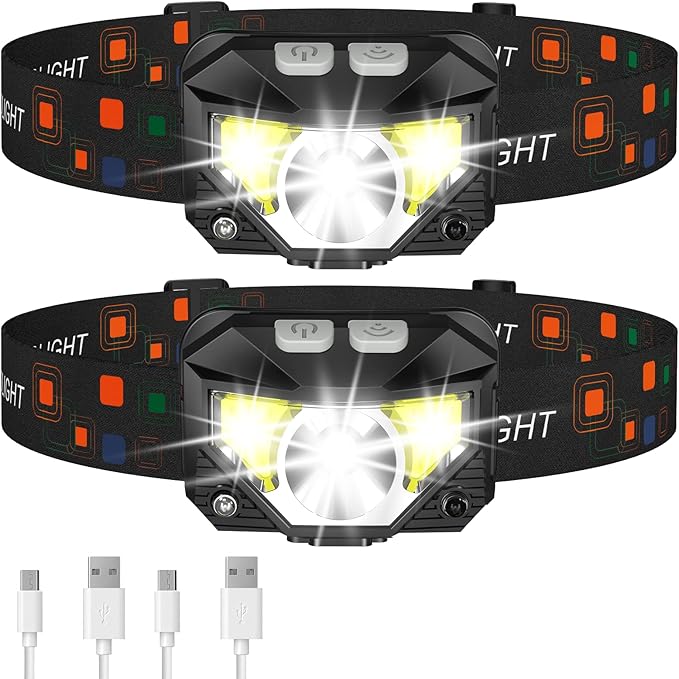
Essential for visibility when diving in low-light conditions and inspecting items
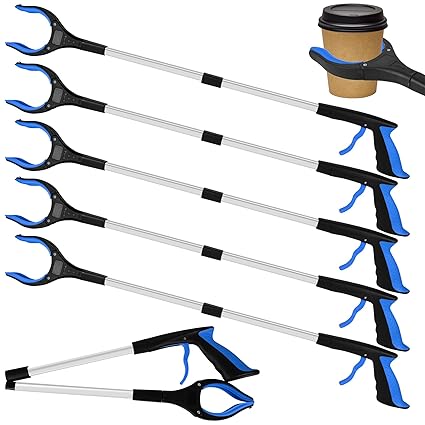
Retrieve items without reaching into bins, maintains safety distance from waste
As an Amazon Associate I earn from qualifying purchases. Prices may change.
Step-by-Step Guide
Learn the law and scout locations
Research your municipality's rules on accessing waste in public collection areas and trespassing on commercial property. During daylight, visit retail stores, grocery stores, and bakeries to note which dumpsters sit in public-accessible parking lots, whether they're locked or compacted, and where security cameras point.
💡 Pro Tips:
- • Strip malls often have multiple accessible dumpsters clustered together
- • Bakeries and grocery stores typically discard the most usable items
Gather your safety equipment
Assemble heavy-duty work gloves, a headlamp or flashlight, hand sanitizer, a reacher/grabber tool, sturdy closed-toe boots, and bags for carrying items. Wear long sleeves and pants you're willing to get dirty.
💡 Pro Tips:
- • A long-handled grabber tool keeps you from reaching into questionable spaces
Time your dive after closing
Plan to visit between 8-11 PM, after stores rotate daily stock but before morning trash collection. Approach confidently but leave immediately if employees or security ask you to. Never enter locked enclosures or ignore posted signs.
💡 Pro Tips:
- • Weekends often yield more discards from Friday stock rotation
Search smart and stay safe
Use your grabber tool to move items near the top—never climb inside or dig through compressed trash. Focus on sealed boxes, bagged goods, and items clearly separated from wet waste. Avoid anything with leaking batteries, broken glass, mold, or pest damage.
💡 Pro Tips:
- • For food, only take factory-sealed packages and check expiration dates carefully
- • Items on top are usually the most recently discarded and cleanest
Clean your finds immediately
Take only what you can use or responsibly rehome. Leave the area cleaner than you found it—scattered trash leads to locked dumpsters. At home, wash and sanitize everything, even packaged items, before storing or using them.
💡 Pro Tips:
- • Track the retail value you've saved to visualize your environmental impact
Gear Up for Your Quest
The gear that makes this quest work.
Pull it off

Heavy-duty work gloves
Protect hands from sharp objects, broken glass, and contamination
+ complete the kit — 4 more

Essential for visibility when diving in low-light conditions and inspecting items
Get on Amazon · $19.99 — LED headlamp or powerful flashlightdetails & deals →
Retrieve items without reaching into bins, maintains safety distance from waste
Get on Amazon · $33.77 — Grabber/reacher tool (24-36 inches)details & deals →
Protect feet from broken glass, sharp metal, and contaminated surfaces
Get on Amazon · $49.99 — Sturdy closed-toe boots or work shoesdetails & deals →
Immediate sanitation after contact with bins or items, prevents contamination
Get on Amazon · $13.31 — Hand sanitizer and disinfecting wipesdetails & deals →RELATED GEAR GUIDE
Urbex Gear List 2026: The 7 Essentials We Actually Carry
Field-tested picks · Urban Exploration
As an Amazon Associate, IRL Sidequests earns from qualifying purchases at no extra cost to you.
Prices and availability are subject to change. The price shown at checkout on Amazon at the time of purchase will apply.
Editor's Picks
Hand-selected quests our team thinks you'll love

Urban Food & Beverage Culture Quest
The best food in your city isn't on Yelp's front page—it's where rent is cheap and menus aren't in English.

Historical Walking Tour: Read Your City's Hidden Stories
Every sidewalk crack has a story—you just need to know where to look.

Architecture Scavenger Hunt: Decode Your City's Hidden Design Language
That building you pass every day? It's been screaming details at you that you've never noticed.