Everyone around you is mid-story. You just need to learn how to read it.
Learn the art of people watching—sharpening observation skills, reading body language, and finding stories in everyday human behavior across urban spaces.
People watching isn't passive staring—it's active observation that trains your brain to notice microexpressions, body language clusters, and social dynamics most people miss. I've spent hundreds of hours in transit hubs, coffee shops, and park benches, and the skills you develop here translate directly into better empathy, improved communication, and sharper situational awareness. You're essentially doing field research in human behavior without the ethics board approval. The sweet spot is finding locations with natural congregation points where people feel unselfconscious. Train stations during morning rush show you stress patterns and commuter rituals. Weekend farmers markets reveal family dynamics and negotiation styles. University libraries during finals week are masterclasses in procrastination behaviors. The key is positioning yourself where you can observe without being obvious—corner tables with wall-backing work best, giving you a wide field of view while keeping you outside the main flow. This isn't about judgment or invasion of privacy—it's about understanding the non-verbal language we all speak but rarely analyze. You'll start noticing how people claim territory with bags, how groups form invisible boundaries, how status gets negotiated through posture and spacing. After a few sessions, you'll read rooms faster, spot discomfort earlier, and understand context that others miss entirely. It's like developing a sixth sense for social dynamics.
Choose your observation post strategically. Look for spots with seating that face foot traffic or gathering areas—cafes with street-facing windows, museum atriums, transit station waiting areas, public plazas with benches. You want 15-20 feet of distance minimum, close enough to see facial expressions but far enough that you're clearly not eavesdropping.
Settle in with a plausible reason to be there. Bring a book, sketch pad, or laptop—something that gives you legitimate presence and a natural way to look down and back up without obvious staring. The prop isn't for actual use; it's camouflage. Check your phone occasionally to reset your gaze pattern.
Start with broad pattern recognition. Notice traffic flow first—where do people naturally funnel, pause, or congregate? Watch how groups navigate around obstacles versus individuals. Clock the unspoken rules: which side people pass on, how much space they maintain, who yields to whom.
Narrow focus to body language mechanics. Pick one person and track their non-verbal cues for 2-3 minutes. Watch how their posture changes when approached versus alone. Notice hand placement—pockets, crossed arms, fidgeting, gesturing. Track eye movement patterns and facial micro-expressions. See if their body language matches their apparent social role.
Observe interaction dynamics between people. When two people meet, who adjusts their position first? In group conversations, watch for hierarchy signals—who gets listened to, who gets interrupted, whose direction the cluster faces. Notice synchronization—people unconsciously mirror those they're engaged with.
Study environmental adaptation. Watch how people modify behavior based on context—same person acts differently when taking a phone call versus talking face-to-face. Notice how weather, crowding, and time pressure affect movement and interaction patterns.
Create mental narratives based purely on observation. Don't invent elaborate backstories—focus on immediate context clues. That woman checking her watch every 45 seconds while scanning the crowd is likely waiting for someone running late. The guy with the portfolio bag doing breathing exercises before entering the building has a presentation or interview. Test your reads against subsequent behavior.
Document patterns without identifying individuals. Take mental notes or jot down observations in general terms: 'Groups of 4+ often have 1-2 peripheral members checking phones more frequently.' 'People carrying coffee cups get wider clearance in foot traffic.' This builds your observation database for pattern recognition.
Practice ethical boundaries. Never photograph people without consent, don't follow anyone, and if someone notices you observing and seems uncomfortable, adjust your gaze elsewhere. You're studying public behavior in public spaces, not conducting surveillance.
Debrief after each session. What surprised you? What patterns emerged? Did you notice any personal biases in what you focused on? What did you learn about how people navigate social space? This reflection deepens the learning beyond simple observation.
Get everything you need to make this quest amazing.
Quality sunglasses with reflective lenses that obscure exactly where you're looking
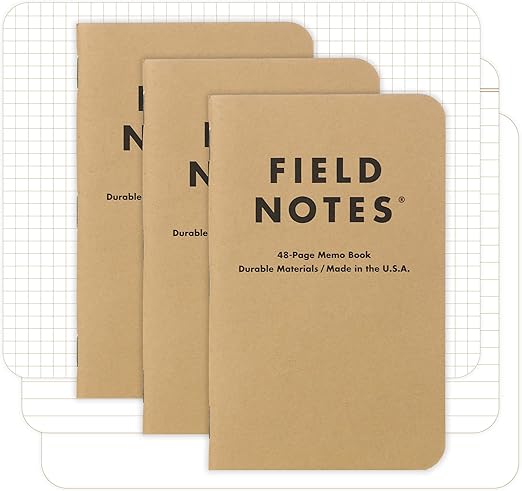
Get This ItemSmall, inconspicuous notebook that fits in your palm
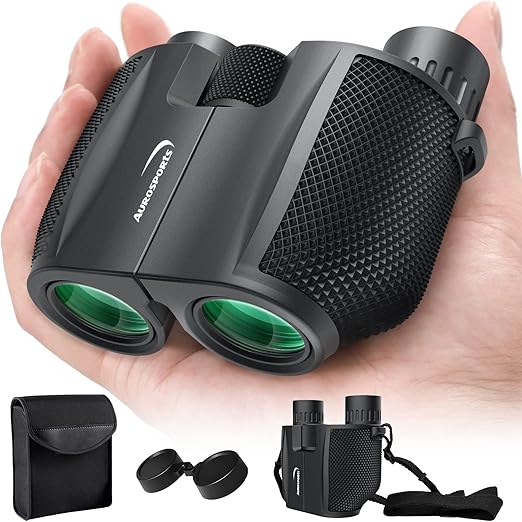
Get This ItemSmall, discreet binoculars for distance observation
Get This ItemApps like 'Body Language Guide' or 'Micro Expressions Training' with searchable gesture/expression databases
Get This Item💙 Shopping through these links helps support IRL Sidequests at no extra cost to you. Thanks for making adventures possible!
Hand-selected quests our team thinks you'll love

Cozy, gooey, unforgettable nights.

Turn your kitchen into a mad scientist’s bar.

Sharpshooter bragging rights start here.