Learn parkour fundamentals through progressive drills focusing on balance, landing mechanics, and precision jumps in controlled environments.
Parkour strips movement down to essentials: get from point A to B efficiently using only your body. Forget the YouTube compilation flips—real parkour starts with understanding how to land without destroying your joints and how to balance on a curb without wobbling like a toddler. I spent my first session at a local park doing nothing but step-ups on a 12-inch ledge, and my quads screamed for three days. That's the reality check you need.
This quest focuses on foundational drills that build the strength and body awareness required before you attempt anything remotely flashy. You'll practice precision jumps between fixed points, work on cat hangs from overhead bars, and drill landing mechanics until they're automatic. The concrete doesn't care about your confidence—only your technique matters. Most injuries happen because people skip these basics and jump straight to vaults.
Find a park with varied terrain: low walls, railings, benches, and open grass areas. Early morning or late afternoon works best—fewer crowds questioning why you're repeatedly jumping on and off a bench. The goal isn't to look cool; it's to wire your nervous system for controlled movement under load. After this session, stairs will feel different. Curbs become practice opportunities. Your spatial awareness shifts.
Why This Quest Matters
After this session, stairs feel different. Curbs stop being obstacles and become practice opportunities. Your spatial awareness shifts—you start seeing movement potential in every urban structure. The city transforms into something you can navigate with your body instead of just your feet, and that recalibration is permanent.
What You'll Experience
Silent landing mechanics that protect your joints from compression damage
The difference between confidence and technique (concrete teaches this fast)
How to wire your nervous system for controlled movement under load
Why grip strength and balance are non-negotiable foundations
How to assess urban structures for movement potential and safety
What You'll Need
Top gear to make this quest great.
Pull it off
Minimalist Training Shoes
Standard running shoes have too much cushioning and heel lift, which kills your proprioception and makes precise landings dangerous. You need to feel the surface texture through the sole to adjust foot placement in real-time. The flat profile keeps your center of gravity low during balance work.
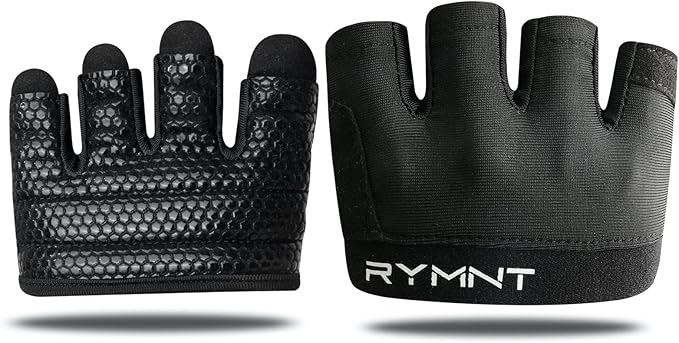
Protects your palms during repeated wall contacts and cat hangs without sacrificing finger dexterity. Rough concrete and metal rails shred skin fast when you're drilling movements. The exposed fingers maintain grip sensitivity for precision holds.
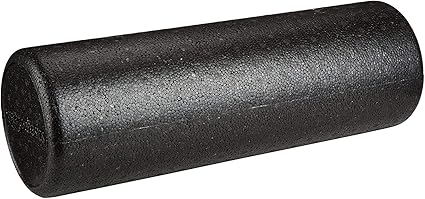
Parkour destroys your legs, particularly quads, calves, and hip flexors. Rolling out tension post-session reduces soreness by 40-50% and maintains mobility for your next training day. Target areas that feel like concrete—those need the most work.
As an Amazon Associate I earn from qualifying purchases. Prices may change.
Step-by-Step Guide
1
Scout your training ground
Find a park with low walls (knee to waist height), sturdy benches, railings, and soft grass or rubberized surfaces. Scout beforehand—avoid cracked concrete and wobbly structures. Early morning or late afternoon gives you fewer confused onlookers.
💡 Pro Tips:
• Test every structure with your weight before committing to it
• Look for variety: you need surfaces at different heights and widths
2
Wire silent landing mechanics
After a 10-minute dynamic warm-up (leg swings, walking lunges, ankle circles, wrist rotations), practice landings on grass. Jump from standing, land on the balls of your feet, immediately drop into a squat with hands touching the ground. Repeat 15 times—your landing should be nearly silent. If you're slapping the ground, you're destroying your joints.
💡 Pro Tips:
• Cold muscles tear easily; never skip the warm-up
• Film yourself—you can't hear what you think you hear
3
Drill step-ups and precision jumps
On a low wall or bench (12-18 inches), do 3 sets of 10 step-ups per leg—stand fully upright at the top, step down with control, push through your heel without wobbling. Then place two markers 2-3 feet apart on flat ground and practice precision jumps, landing with both feet exactly between them. Gradually increase distance to 4 feet over 15 successful jumps.
💡 Pro Tips:
• Your quads will scream tomorrow—this is the price of real progression
4
Build balance and cat hang strength
Walk heel-to-toe along a low wall or curb with arms out for balance. Progress to arms at sides once you hit 20 steps without falling. Then find a horizontal bar at chest height—jump up, grab with both hands, pull knees to chest, and hang with feet off ground for 10 seconds. Rest and repeat 5 times. This grip strength is non-negotiable for future moves.
💡 Pro Tips:
• Narrow railings come only after you master the wide curb
5
Practice explosive wall push-offs
Face a solid wall and run toward it (3-4 steps). Plant one foot on the wall about hip height and push off to reverse direction—you're not climbing yet, just training the explosive push. Do 10 per leg. Your nervous system needs this motor pattern locked in.
💡 Pro Tips:
• The concrete doesn't care about confidence, only technique
6
Cool down and review your form
Static stretch for hip flexors, hamstrings, shoulders, and wrists—hold each 30 seconds. Then review video of one precision jump or balance walk. Watch for common errors: looking down instead of forward, arms flailing, landing off-center. This feedback loop is how you actually improve instead of just repeating mistakes.
💡 Pro Tips:
• Skip the cooldown and your body will punish you for 72 hours
Standard running shoes have too much cushioning and heel lift, which kills your proprioception and makes precise landings dangerous. You need to feel the surface texture through the sole to adjust foot placement in real-time. The flat profile keeps your center of gravity low during balance work.
Protects your palms during repeated wall contacts and cat hangs without sacrificing finger dexterity. Rough concrete and metal rails shred skin fast when you're drilling movements. The exposed fingers maintain grip sensitivity for precision holds.
Synthetic leather gloves with padded palms and exposed fingers for tactile feedback
Parkour destroys your legs, particularly quads, calves, and hip flexors. Rolling out tension post-session reduces soreness by 40-50% and maintains mobility for your next training day. Target areas that feel like concrete—those need the most work.
Firm foam cylinder for self-myofascial release and recovery work
Random Side Quest Generator: Complete Guide to Spontaneous Adventures
Let the dice argue. You just have to go.
Grab a friend, a handful of dice and a stack of pocket cards, then let the roll decide what you do next. You write the options, the dice pick one, and you go. Each outing takes 15 to 30 minutes, and arguing with the dice is not allowed.
Your life stats are stagnant—time to grind IRL and unlock new abilities.
Transform gaming mechanics into real-world quests with achievement tracking, skill trees, and XP systems that make personal development feel like your favorite RPG.
Turns out you're excellent company. Let's prove it.
Ever talked yourself out of a movie, a meal or a trip because nobody was free? Over three or four weeks, you'll work through six easy solo missions, from a twenty-minute bench sit to a day trip in a town you've never seen, and find out how good your own company is.
10 hours total (split into 20-minute to 2-hour sessions over 3-4 weeks)SoloGear from $6