Library Scavenger Hunt: Master the Dewey Decimal Deep Dive - Personal Growth quest for Beginner level adventurers

Library Scavenger Hunt: Master the Dewey Decimal Deep Dive

Your library card is actually a treasure map—you just need to know how to read it.

Share:
2 supplies needed· Estimated total: Free
View supplies

About This Quest

Navigate your local library like a pro with this hands-on scavenger hunt that builds research skills while uncovering hidden sections, rare books, and community resources most patrons never find.

Most people treat libraries like Amazon warehouses—search, grab, leave. That's missing about 80% of what's actually there. The reference librarian desk in the back corner? That's your quest giver. Those metal cabinets with tiny drawers? Card catalogs that still hold records of books digitized databases miss. The local history room that's always locked? They'll open it if you ask. This scavenger hunt sends you through sections you've walked past a hundred times. You'll decode call numbers like they're coordinates, use actual microfiche readers (yes, they still exist and contain digitized newspaper archives from the 1800s), and discover that most libraries have seed libraries, tool lending programs, or even telescope checkouts. I found my local branch has a complete collection of city directories dating back to 1923—every resident, every business, their addresses. That's not online anywhere. The goal isn't just finding items on a list. It's learning the architecture of information: how knowledge gets organized, where different types of sources live, and why the librarian's desk placement actually matters for navigation. By the end, you'll move through any library system worldwide like you own the place, because you'll understand the logic underneath. Plus, you'll have a list of bizarre, specific books you never knew existed.

Duration
90 minutes to 2 hours
Estimated Cost
Free
Location
Indoor
Season
Year-round
Family Friendly
All ages welcome

What You'll Need

Top gear to make this quest great.

Pocket Magnifier (3x-5x magnification)

Microfiche readers vary wildly in quality—older machines have dim bulbs and scratched screens. A pocket magnifier lets you read faded microfilm regardless of equipment condition. Also useful for examining old maps, tiny footnotes in reference books, and catalog card details.

$8-15
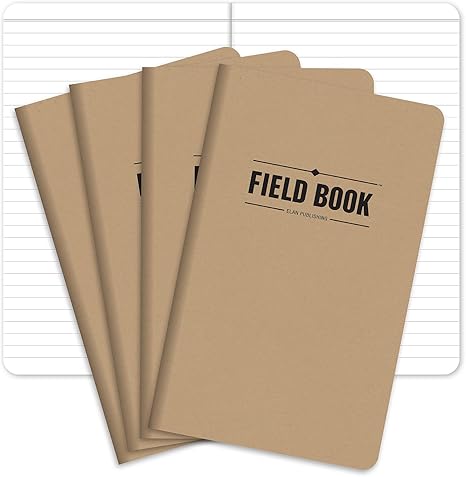
Field Notes or Archival Notebook

Library lighting varies dramatically between sections—reference areas are bright, stacks can be cave-dark. Grid paper helps you sketch shelf locations and map the building layout. Acid-free paper matters if you're copying quotes from rare books (regular notebook ink can smudge when your hand sweats from excitement of finding something obscure).

$12-18

As an Amazon Associate I earn from qualifying purchases. Prices may change.

Step-by-Step Guide

1

Visit your library during a weekday morning (9-11 AM works best—fewer crowds, staff have time to help). Introduce yourself to the reference desk and mention you're doing a research skills challenge. Most librarians love this.

2

Challenge 1: Find a book using ONLY the Dewey Decimal System. No computer searches. Use the physical charts usually posted near the stacks. Pick a random topic like 'beekeeping' or 'chess strategy' and navigate there using call numbers alone. Time yourself.

3

Challenge 2: Locate three hidden resources. Check for: a seed library, tool lending program, museum pass checkout, digital resource login (Lynda.com/LinkedIn Learning access is common), or the local history/genealogy section. Take notes on what's available.

4

Challenge 3: Microfiche mission. Ask to access the newspaper archives. Look up what was happening in your town exactly 50 years ago this week. Find one headline that surprises you. The machines are usually in the reference section or basement.

5

Challenge 4: Interlibrary loan test. Find a book your library doesn't have (try something obscure—'The History of Pencils' level). Request it through interlibrary loan. This connects you to millions of volumes beyond your branch.

6

Challenge 5: Subject matter speedrun. Pick a topic you know nothing about. Use the reference section (encyclopedias, databases, subject guides) to learn five factual things about it in 15 minutes without using your phone. Write them down.

7

Challenge 6: Ask a weird question. Librarians train for reference interviews. Test them with something like 'What's the oldest book in this building?' or 'Do you have anything written in a language other than English?' Their answers reveal collections you didn't know existed.

8

Bonus: Find the quietest spot in the entire building. Libraries have acoustic dead zones—usually in corners of upper floors or behind specific shelf configurations. Mark it for future deep work sessions.

Gear Up for Your Quest

Get everything you need to make this quest amazing.

Library Card with Active Status

Library Card with Active Status

EssentialPopular
$0

Required for accessing digital resources, requesting interlibrary loans, and checking out materials. Many premium databases and services are locked behind authentication.

Valid library card with current registration (check expiration date—most expire annually and you'll need to renew in person or online)


2pcsUpgrade 10x Small Magnifying Glass for Kids and Seniors, Pocket Magnifier with Protective Sheath, Mini Folding Magnifying Glass Reading, Close Work, Repairing, Hobby Or Coins(7cm) (6cm)

Pocket Magnifier (3x-5x magnification)

Recommended
$5.99
★★★★★4.5 (43)

Microfiche readers vary wildly in quality—older machines have dim bulbs and scratched screens. A pocket magnifier lets you read faded microfilm regardless of equipment condition. Also useful for examining old maps, tiny footnotes in reference books, and catalog card details.

Credit-card sized magnifying lens with LED light, typically 3x to 5x magnification power

Get on Amazon · $5.99

Elan Publishing Company Field Notebook/Journal - 5"x8" - Kraft - Lined Memo Book - Pack of 4

Field Notes or Archival Notebook

Recommended
$15.95
★★★★★4.6 (182)

Library lighting varies dramatically between sections—reference areas are bright, stacks can be cave-dark. Grid paper helps you sketch shelf locations and map the building layout. Acid-free paper matters if you're copying quotes from rare books (regular notebook ink can smudge when your hand sweats from excitement of finding something obscure).

Pocket-sized notebook (3.5" x 5.5") with grid or dot paper, ideally with archival-quality acid-free pages

Get on Amazon · $15.95

LibraryThing or Goodreads App

LibraryThing or Goodreads App

Optional
$0

When you find that weird book you never knew existed, scan it immediately. Libraries reshelve fast, and you won't remember '940.54 KER' later. These apps also show if other branches have copies and connect you to communities discussing obscure topics. The 'recommendations' feature helps you spiral deeper into niche subjects.

Book cataloging app with barcode scanner and social features for tracking reading lists and discoveries

As an Amazon Associate, IRL Sidequests earns from qualifying purchases at no extra cost to you.

Prices and availability are subject to change. The price shown at checkout on Amazon at the time of purchase will apply.