Your library card just became your ticket to a research skills boot camp disguised as a game.
Turn your local library into a research skills challenge with this scavenger hunt that teaches information literacy while rediscovering physical resources.
Libraries aren't just book warehouses—they're labyrinths of organized information waiting to test your research skills. This scavenger hunt sends you through the Dewey Decimal system, into special collections, past reference desks, and through digital archives. You'll decode call numbers like they're treasure maps, hunt down primary sources, discover what's actually in those locked glass cases, and learn why librarians still matter in the age of Google. The hunt works in any public library, though larger systems with multiple floors and special collections offer more complexity. You'll encounter microfiche machines that still work, card catalogs some libraries maintain for historical purposes, interlibrary loan systems that connect you to books across the country, and local history collections that never made it online. Each challenge builds actual research competencies—the kind that help you fact-check news, dig into topics deeply, and navigate information with confidence. This quest reveals how libraries organize human knowledge and why that organization matters. You'll finish with tangible skills: reading call numbers instantly, evaluating source credibility, using databases effectively, and knowing when to ask for help. Plus, you'll likely discover sections of your library you've walked past for years without noticing.
Visit your library during regular hours. Introduce yourself to the reference desk and mention you're doing a self-guided research challenge—most librarians get excited about this and may offer bonus challenges.
Start with the 000s (Generalities) section. Find a book about libraries themselves. Check the copyright date—anything before 1990 will show you how much has changed. Read the first chapter standing there.
Decode the call number system. Pick any book and break down its call number: subject classification, author designation, publication year. Use the library's guide (usually posted on shelves or available at the desk) to understand what each part means.
Hunt for the oldest book in the general collection. Check copyright pages in various sections. Many libraries have books from the 1800s still in circulation. Handle it carefully and note how the paper feels different from modern books.
Find three different types of reference materials: an atlas, a specialized encyclopedia (not Britannica—something niche like an encyclopedia of jazz or gardening), and a statistical abstract or almanac. These rarely circulate, so they'll be in the reference section.
Locate the local history or genealogy collection. Find one primary source document—a historical photograph, newspaper clipping, city directory, or archived letter. Most libraries keep these in special areas and some require you to ask staff for access.
Use a physical periodical index. Ask staff where they keep bound volumes of old magazines or newspapers. Find an article from at least 30 years ago on any topic that interests you. Notice the research process without search engines.
Challenge the catalog system. Search for the same topic in both the physical catalog (if available) and digital system. Compare results. Try a subject heading search versus keyword search and see what different results emerge.
Visit the children's section even if you're an adult. Find a children's book about a complex topic (quantum physics, philosophy, architecture). Children's non-fiction is often the clearest explanation of difficult concepts.
Discover a database or digital resource your library provides that you didn't know existed. Ask staff what specialized databases they subscribe to—many libraries offer access to expensive research tools, language learning platforms, or newspaper archives free with a library card.
Find something weird. Every library has oddities: unusual binding styles, books in unexpected languages, strange subject classifications, or items that don't fit normal categories. Ask staff what the strangest item in the collection is.
Complete your quest by checking out one book you discovered during the hunt that you wouldn't have found otherwise. Read the first 20 pages before you leave the building.
Get everything you need to make this quest amazing.
Compact card wallet with built-in notepad pocket and pen loop, designed for researchers and students
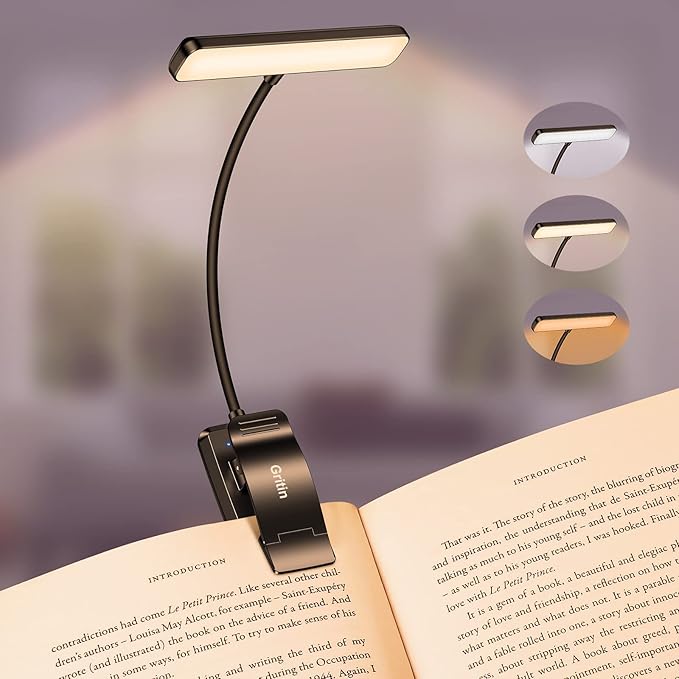
Get This ItemRechargeable LED reading light that clips onto books or shelves with adjustable brightness
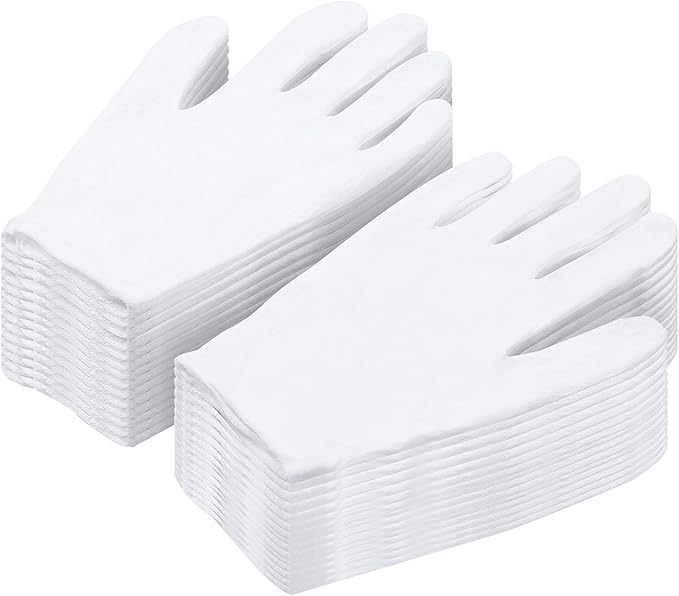
Get This ItemWhite cotton gloves used by archivists for handling delicate materials
Get This ItemCataloging app that lets you scan ISBNs and build your own book collection database
Get This Item💙 Shopping through these links helps support IRL Sidequests at no extra cost to you. Thanks for making adventures possible!
Hand-selected quests our team thinks you'll love

Cozy, gooey, unforgettable nights.

Turn your kitchen into a mad scientist’s bar.

Sharpshooter bragging rights start here.