IRL Quest Master Hub: Complete Guide to Real-World Adventures - Personal Growth quest for Beginner level adventurers

IRL Quest Master Hub: Complete Guide to Real-World Adventures

Your life is the game—time to start playing it intentionally.

Share:
3 supplies needed· Estimated total: Free
View supplies

About This Quest

Learn to design, track, and complete real-world quests that build skills, create memories, and break you out of digital loops. From urban exploration to creative challenges.

Most people scroll through life waiting for something interesting to happen. Quest Masters make it happen. This isn't about productivity hacks or life optimization—it's about designing mini-adventures that fit into your actual schedule. A quest can be as simple as finding the best coffee shop within a two-mile radius or as complex as documenting every piece of street art in your neighborhood. The framework is the same: clear objective, defined constraints, tangible outcome. The Quest Master approach borrows from game design but applies it to reality. You set parameters (location, time, budget), define success conditions, and track completion. The difference between wandering around aimlessly and completing a quest is intention. When you frame an activity as a quest, your brain shifts into active mode. You notice details. You remember experiences. You build a personal database of "I actually did that" moments instead of endless "I should try that someday" ideas. This meta-quest teaches you the framework itself. You'll learn how to identify quest-worthy activities in your environment, how to structure them so they're achievable but not trivial, and how to document your progress in a way that builds momentum. By the end, you'll have completed at least three micro-quests and developed the skill to generate unlimited more. The goal isn't to gamify every moment—it's to intentionally create pockets of adventure in an otherwise routine week.

Duration
2-3 hours initial setup, ongoing practice
Estimated Cost
Free
Location
Both
Season
Year-round
Family Friendly
All ages welcome

What You'll Need

Top gear to make this quest great.

Habit Tracker Journal with Quest Log Format

Provides dedicated space for planning quests, tracking progress, and recording experiences. The physical act of writing reinforces commitment and creates a tangible record of your adventures. Pre-formatted sections prevent blank-page paralysis.

$15-25
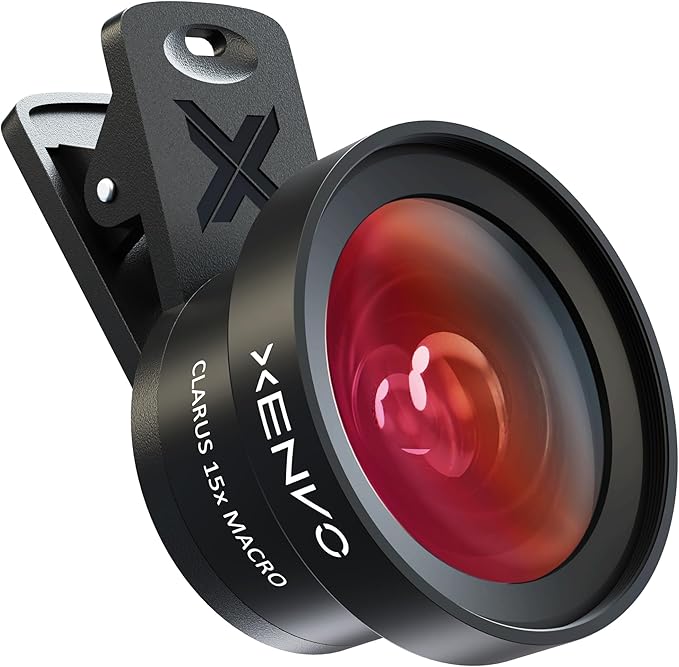
Clip-On Wide Angle Phone Lens

Dramatically improves documentation quality for urban and nature quests without carrying separate camera equipment. Captures full building facades, group shots, and environmental context that phone cameras typically crop out.

$12-20
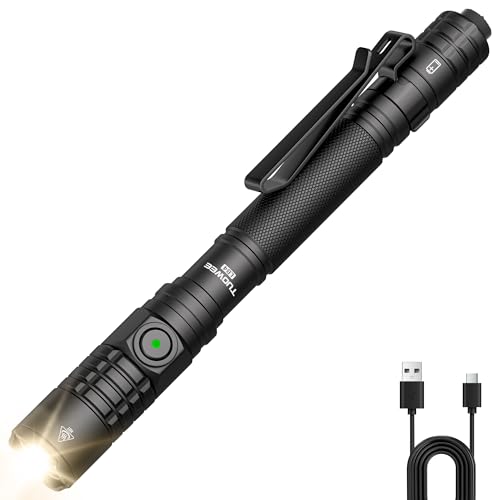
Geocaching Multi-Tool Pen

Combines multiple quest utilities into pocket-sized form. Write notes in any weather, illuminate dark corners during exploration, use stylus for phone navigation with gloves. Having multi-function tools reduces gear weight.

$10-15

Shopping through these links supports IRL Sidequests at no extra cost to you.

Step-by-Step Guide

1

Choose your first quest domain—pick one area where you feel curious but haven't taken action (urban photography spots, local food specialties, historical markers, hidden nature trails, public art, architectural styles, etc.). Write it down specifically.

2

Define your quest parameters using the SLOT framework: Scope (geographic boundaries or category limits), Length (time investment per attempt), Objective (what counts as completion), Tracking (how you'll document proof). Example: "Photograph 10 Art Deco buildings within 3 miles, one per week, verified by posting to a personal photo log."

3

Complete your first micro-quest within 48 hours—something achievable in under an hour. This proves the concept to yourself. Go to a neighborhood you rarely visit and document three things most people walk past without noticing. Take photos or write descriptions.

4

Set up your quest tracking system—use whatever method you'll actually maintain. A notes app works. A spreadsheet works. A physical journal works. Create three columns: Quest Name, Completion Date, One-Line Memory. Fill in your first completed quest.

5

Design two more quests with escalating difficulty: one medium (2-4 hours total) and one ambitious (multiple sessions over weeks). Apply the SLOT framework to both. The medium quest should push slightly outside your comfort zone. The ambitious quest should make you a little nervous.

6

Complete your medium quest within two weeks. Notice what obstacles appear—time, motivation, logistics, weather. Adjust your ambitious quest design based on what you learned. This iteration process is how you get better at quest design.

7

Document your three completed quests with specific sensory details—not Instagram captions, actual observations. What did you notice that surprised you? What would you do differently? What skill did you accidentally build? Write this within 24 hours of completion while details are fresh.

8

Create a quest bank—list 10 potential future quests across different categories (social, creative, exploration, skill-building, documentation). You won't do all of them, but having options prevents decision paralysis when you have free time. Review and update this list monthly.

Gear Up for Your Quest

Get everything you need to make this quest amazing.

Habit Tracker Journal with Quest Log Format

Habit Tracker Journal with Quest Log Format

Recommended
$15-25

Provides dedicated space for planning quests, tracking progress, and recording experiences. The physical act of writing reinforces commitment and creates a tangible record of your adventures. Pre-formatted sections prevent blank-page paralysis.

Structured journal designed for tracking goals, challenges, and achievements with visual progress indicators and reflection prompts.

Get on Amazon · $15-25

Clip-On Wide Angle Phone Lens

Clip-On Wide Angle Phone Lens

Optional
$12-20

Dramatically improves documentation quality for urban and nature quests without carrying separate camera equipment. Captures full building facades, group shots, and environmental context that phone cameras typically crop out.

External lens attachment that clips onto smartphone camera to capture wider field of view for architecture, landscapes, and group documentation.

Get on Amazon · $12-20

Geocaching Multi-Tool Pen

Geocaching Multi-Tool Pen

Optional
$10-15

Combines multiple quest utilities into pocket-sized form. Write notes in any weather, illuminate dark corners during exploration, use stylus for phone navigation with gloves. Having multi-function tools reduces gear weight.

Tactical pen with integrated flashlight, stylus tip, glass breaker, and actual writing pen—designed for outdoor documentation and urban exploration.

Get on Amazon · $10-15

Shopping through these links helps support IRL Sidequests at no extra cost to you.