Turn grocery runs into boss battles and habit-building into achievement unlocks.
Design personal quest systems that turn daily routines into achievement-driven gameplay using proven behavioral psychology and modern tracking tools.
You already know how games hook you—the satisfying ping of leveling up, the dopamine hit when you complete a quest chain, the way a progress bar makes you want to fill it completely. Now apply that same reward architecture to the stuff that actually matters: fitness routines, creative projects, social connections, skill-building. This isn't about downloading another habit app that you'll ignore in two weeks. You're building a tangible system—physical quest boards, custom achievement cards, XP trackers you can see and touch. The key is making your progress visible and your wins celebrated. When you check off 'Talk to three strangers' as a daily quest, you physically move a token. When you hit 1,000 XP in your Fitness skill tree, you craft an achievement badge and pin it somewhere you'll see it. The system works because it externalizes the invisible work of personal growth. Your brain treats completing 'Cook a new recipe' the same way it treats defeating a video game boss—as a concrete win worth repeating. After three weeks, you'll stop thinking about the mechanics and just play. That's when morning runs become dungeon crawls and networking events become side quest opportunities.
Top gear to make this quest great.

Creates a visible, tactile quest board where you physically pin and move quest cards—the centerpiece of your gamification system that keeps progress in your face daily

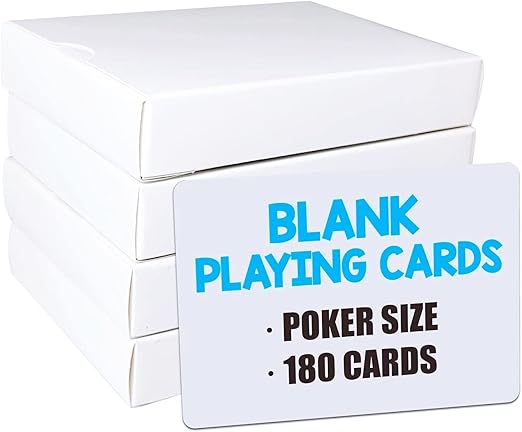
Write individual quests, achievements, and reward tiers on cards you can move, reorganize, and physically complete—the analog nature makes progress feel real and earned

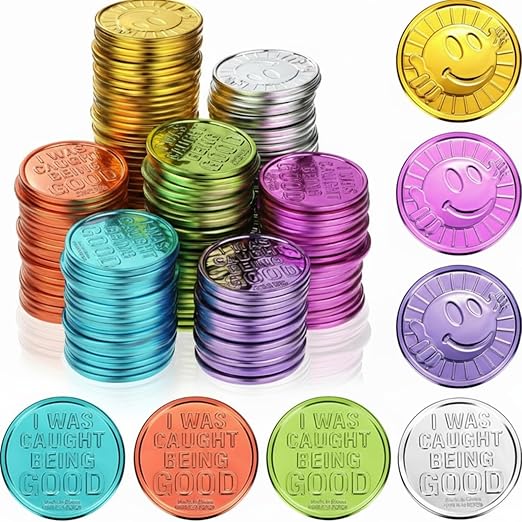
Physical achievement tokens you earn and display create a trophy case effect—seeing your wins accumulates motivation better than any digital badge collection
As an Amazon Associate I earn from qualifying purchases. Prices may change.
Define your core 'skill trees': Pick 3-5 life areas you want to level (Fitness, Social, Creative, Knowledge, Adventure). Write each as a skill tree with 10 levels. Level 1 might be 'Walk 10k steps', Level 10 could be 'Complete a marathon'. Make the progression visible and achievable.
Create your XP economy: Assign point values to activities. Gym session = 50 XP. Read a book = 100 XP. Try a new restaurant = 30 XP. The numbers don't matter—consistency does. Write your XP values on index cards and keep them visible. 100 XP = 1 skill level across all trees.
Build your quest board: Use a corkboard, whiteboard, or large poster. Divide it into Daily Quests (brush teeth, 20-min walk), Weekly Quests (finish that book, clean garage), and Epic Quests (3-month projects). Write each quest on a card. Color-code by skill tree. Pin active quests where you'll see them every morning.
Design your achievement system: Brainstorm 20-30 achievements across your skill trees. Some should be grind-based ('Log 100 workouts'), others creative ('Cook with an ingredient you've never used'), some social ('Host a dinner party'). Make physical tokens—print badges, use coins, craft wooden tiles. Display completed achievements prominently.
Track with a character sheet: Create a one-page 'character sheet' with your current level in each skill tree, total XP, active quests, and achievements earned. Update it weekly. The tactile act of writing numbers going up matters more than any app notification. Keep it in a binder or pin it to your quest board.
Establish your reward tiers: Every 500 XP or major achievement unlock, give yourself a real reward. Hit Fitness Level 5? Buy those running shoes you wanted. Complete 10 Creative quests? Splurge on art supplies. Write your reward tiers in advance so they're planned, not impulsive. The anticipation is part of the game.
Run daily and weekly reviews: Every morning, draw 3 daily quests from your pool. Every Sunday, assess your progress, calculate XP earned, update your character sheet, and set next week's quests. The review ritual is when you feel the progression. Skip it and the system dies within a month.
Join or create a party: Solo gameplay works, but co-op is better. Find 2-4 people to build systems alongside you. Share quest ideas, celebrate achievements together, run group challenges. When someone else sees your quest board and asks about it, you've created accountability that no app can match.
Get everything you need to make this quest amazing.

Creates a visible, tactile quest board where you physically pin and move quest cards—the centerpiece of your gamification system that keeps progress in your face daily
Large cork board with aluminum frame and 100+ colored push pins for quest tracking
Get on Amazon · $38.99
Write individual quests, achievements, and reward tiers on cards you can move, reorganize, and physically complete—the analog nature makes progress feel real and earned
Thick cardstock blank cards in multiple colors, 3x5 inch size
Get on Amazon · $8.99
Physical achievement tokens you earn and display create a trophy case effect—seeing your wins accumulates motivation better than any digital badge collection
Wooden coins, metal badges, or acrylic tokens you can label for completed achievements
Get on Amazon · $22.99Hybrid approach for those who want digital backup and mobile access to log quest completions on-the-go, syncs with your physical board during weekly reviews
Digital companion for tracking XP, daily quests, and long-term progress with RPG mechanics
As an Amazon Associate, IRL Sidequests earns from qualifying purchases at no extra cost to you.
Prices and availability are subject to change. The price shown at checkout on Amazon at the time of purchase will apply.
Hand-selected quests our team thinks you'll love

Your life stats are stagnant—time to grind IRL and unlock new abilities.

Your memory of what you've done is terrible. Build a system that proves you showed up.

Your daily life has more side content than Skyrim—you just need the right quest log.