Turn boring routines into achievement systems people actually want to complete.
Design and deploy your own real-world quest system. Learn game mechanics, behavioral loops, and reward structures that actually motivate action beyond screens.
Most gamification fails because it slaps points onto things people already hate. Real quest design studies why humans obsess over completing collections, grinding for rare drops, and chasing that next level-up—then applies those triggers to activities that genuinely improve your life. This quest teaches you to reverse-engineer game mechanics that work on your own brain. You'll map reward schedules, test XP triggers against real behavior, and build achievement trees that create genuine momentum. The framework pulls from RPG progression systems, behavioral psychology, and dozens of failed fitness apps to show what actually drives repeat engagement. By hour three, you'll have a working prototype quest system deployed in your own routine. This isn't about turning life into a video game—it's about understanding why games hook us, then using those same psychological levers to make hard things easier to start and boring things easier to finish. The best designs feel invisible once they're working.
Top gear to make this quest great.

Understanding variable reward schedules, trigger-action loops, and investment phases prevents building systems that feel manipulative or burn out users after two weeks.

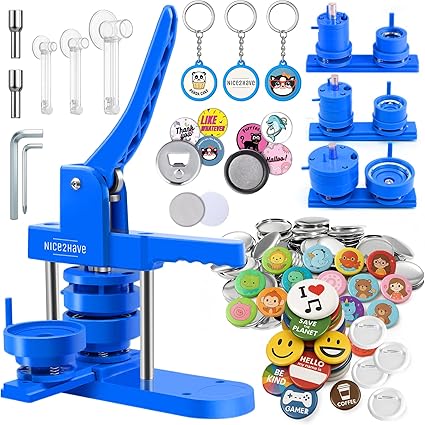
Tangible rewards trigger collector psychology harder than digital points. Physical badges in your space create ambient motivation and social proof when others see them.
As an Amazon Associate I earn from qualifying purchases. Prices may change.
Map your target behavior to a game mechanic type. Is this a collection quest (visit all parks), skill progression (photography techniques), or boss battle (public speaking)? Match the psychology to the action.
Define three reward tiers: instant feedback (completion sound, visual check), short-term milestone (weekly badge, streak counter), and long-term unlock (new difficulty level, exclusive challenge). Each tier hits a different motivation circuit.
Build your XP curve. Start rewards tight together (complete 3 times, get first badge) to hook new players, then space them out as mastery builds. The first hour should feel like winning, week two should require actual effort.
Design failure states that teach, not punish. Losing a streak shows total attempts instead of resetting to zero. Failed challenges unlock 'training mode' variants. Make setbacks reveal progress, not erase it.
Test your minimum viable quest. Run the system for one week yourself before adding complexity. Track what triggers you ignored, which rewards felt hollow, and where momentum died. Real data beats theory every time.
Add variable rewards after your baseline works. Random bonus XP on the fourth completion, mystery challenges that appear Tuesday mornings, achievement drops that change monthly. Predictability creates habits, unpredictability creates obsession.
Build social proof mechanics if your quest involves others. Public leaderboards, shared achievement unlocks, or cooperative milestones. Most IRL quests benefit from visible progress that others can see and join.
Version control your quest design. Save each iteration with notes on what behavior changed. Gamification systems need constant tuning—what works month one becomes invisible by month three.
Get everything you need to make this quest amazing.
Provides automated feedback loops, visual progress tracking, and exportable data for iteration testing. Manual tracking kills momentum within 72 hours.
Habitica (free, RPG-style), Beeminder ($0-8/month with commitment contracts), or Notion with progress bars (free)

Understanding variable reward schedules, trigger-action loops, and investment phases prevents building systems that feel manipulative or burn out users after two weeks.
'Hooked' by Nir Eyal (library or $18 paperback) or free Stanford Persuasive Tech Lab resources
Get on Amazon · $15.97
Tangible rewards trigger collector psychology harder than digital points. Physical badges in your space create ambient motivation and social proof when others see them.
Canva Pro templates for custom badges or physical enamel pin samples from manufacturers
Get on Amazon · $124.99Pre-built frameworks save 4-6 hours of setup and show working examples of XP curves, achievement trees, and streak mechanics you can clone and modify.
Notion quest template library (free community versions) or Airtable gamification base ($0-29 for premium features)
As an Amazon Associate, IRL Sidequests earns from qualifying purchases at no extra cost to you.
Prices and availability are subject to change. The price shown at checkout on Amazon at the time of purchase will apply.
Hand-selected quests our team thinks you'll love

Your life stats are stagnant—time to grind IRL and unlock new abilities.

Your memory of what you've done is terrible. Build a system that proves you showed up.

Your daily life has more side content than Skyrim—you just need the right quest log.