Run three or four rounds of 25-minute lessons with up to six teachers, then gather everyone in a closing circle where each person says out loud one thing they learned and one person they want to follow up with.
Bonus challenge: Try your brand-new skill in front of the person who taught it to you, badly, on purpose, before you leave.
Accept this questSaves it to your list, no account needed.
Time
3-4 hours (including setup)
Cost
Paid activity
Starter gear from $64
Community center or library rooms often run $0–50 for a four-hour booking. Name tag stickers are about $5, a countdown timer about $20, and teachers usually bring their own materials.
friends, a group, family · Teens and up; kids 10+ welcome with an adult, and kept away from sharp-tool tables
Level
Intermediate
Where
Indoor
Season
Year-round
About This Quest
What if everyone you invited showed up ready to teach one thing they're good at? Gather a handful of friends and neighbors, set up six small teaching tables, and rotate through three or four 25-minute lessons. You'll leave knowing how to do something you couldn't do that morning.
Someone in your circle can sharpen a knife properly. Someone else can braid hair, tune a bike, read a tarot card or make dumplings that actually seal. For one afternoon, all of them are teachers, and so are you.
You'll book a room, collect everyone's teaching topic ahead of time, and run short rounds with a bell. Your lesson doesn't need slides or a plan, just the one thing you already do without thinking. By the closing circle, everyone names something new they learned.
Why This Quest Matters
There's a particular warmth in watching a friend teach. The quiet one lights up explaining her sourdough starter. Your neighbor turns out to be patient and funny with a sewing machine. You stop being a group of people who happen to know each other and start being a group that knows what each other can do.
What You'll Experience
Teach your one thing: Spend 25 minutes showing people something you've never had a reason to explain before.
Hop between tables: Learn three or four new skills in an afternoon, with a bell telling you when to move.
Spot the hidden talent: Find out which friend has been quietly excellent at something all along.
Close the circle: Hear every person name the one thing they're taking home.
What You'll Need
Top gear to make this quest great.
Pull it off
Large Format Name Tag Stickers
Lets people read a name and a skill across a table, which starts every conversation for you.
As an Amazon Associate I earn from qualifying purchases. Prices may change.
Before You Begin
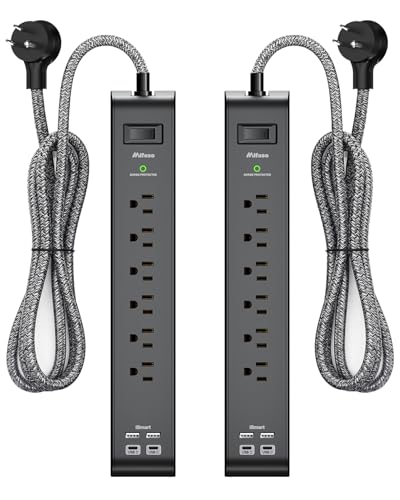
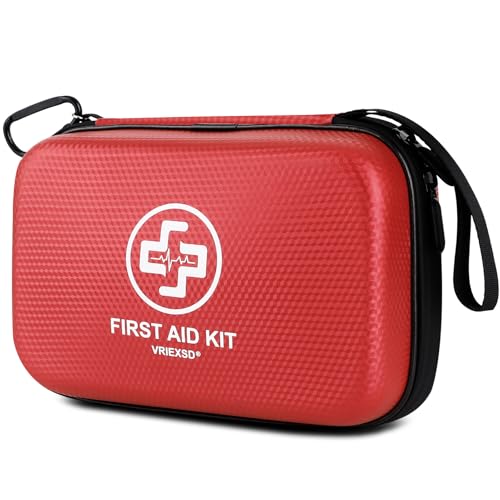
The best part of planning this is reading the sign-ups. People surprise you. Set up a free sign-up form (SignUpGenius or Calendly both work) a week or two ahead asking each person for the one skill they'll teach and two or three they'd like to learn. You'll also want large name tag stickers with room for a name and a skill, a countdown timer everyone can see, and a surge-protected power strip for every station that needs one. Book the room for at least four hours so setup isn't a scramble. Handy extras: a bell for transitions, a sign holder for the schedule, and painter's tape for cords. If anyone's lesson involves a hot plate, soldering iron or blades, get the venue's written permission first and ask whether staff need to be present.
Safety Tips
A good quest stays a good story. These are general notes; your gear's manual, the venue's rules and local law come first.
Ask the venue in writing before anyone brings heat, blades or power tools, and follow whatever conditions they set, including having staff on hand.
Check the room's power limits with venue staff before plugging in hot plates, soldering irons or sewing machines. Give each station its own surge-protected strip, tape cords flat across any walkway, and keep drinks well away from outlets.
At any sharp-tool table, the teacher demonstrates the cut first, hands tools over handle-first with the edge turned away, and keeps blades pointed away from walkways and children.
Keep a first aid kit on the welcome table and find out before the first round who in the room is trained to use it.
A bike repair lesson stays indoors and off the street. If anyone takes a test ride, it's a helmet, a quiet side street away from fast traffic, and front and rear lights if the sun is low.
Choose a venue with off-street parking or a safe drop-off spot for people hauling tools, and schedule the closing circle early enough that nobody walks home in the dark.
Step-by-Step Guide
1
Line Up Your Teachers
45 min
Start with the room. Book somewhere indoors with space for four to six teaching tables, for at least four hours, and ask about power limits and any rules on heat or tools. Then send out your sign-up form asking for one skill each person will teach and two or three they want to learn. Give people a week or two to reply.
💡 Pro Tips:
• Nudge the modest ones personally. The people who say they have nothing to teach are usually hiding something good.
2
Build the Rotation
45 min
Now the satisfying puzzle. Lay out the responses and build three or four rounds of 25 minutes, matching people to the skills they asked for. Keep two kitchen-based lessons out of the same round so nobody fights over the sink. Then email everyone their teaching slot and their own personal rotation so they arrive knowing exactly where to go.
💡 Pro Tips:
• Leave one station a little undersubscribed on purpose. Someone always changes their mind on the day.
3
Set the Stage
45 min
Get there early and make the room look like something's about to happen. Put a sign on each table, stand the master schedule where everyone walks in, and set out name tag stickers so each person writes their name plus what they're teaching. Set your countdown timer where the whole room can see it, run power strips where they're needed, and tape every cord flat.
💡 Pro Tips:
• Write the skill bigger than the name on each tag. It starts conversations before the first round does.
4
Open and Go
10 min
Gather everyone for five minutes. Each teacher gets one sentence: their name and what they're teaching. That's it, no speeches. Explain the bell, point at the timer, then send people to their first table and let the room get loud. Walk the floor during the round and gently redirect anyone who ended up at an overcrowded station.
💡 Pro Tips:
• Ring the bell at 25 minutes for 'wrap it up' and again at 30 for 'go'. Two sounds beats one scramble.
5
Rotate Through the Rounds
110 min
This is the heart of the afternoon: three or four rounds of 25 minutes teaching with five minutes to move between them. You teach once and learn the rest. Expect the knife-sharpening table to be a crowd and someone's lesson to run long. Keep walking, keep the timer honest, and let the happy noise do its thing.
💡 Pro Tips:
• Teachers, pick one thing people can finish in 25 minutes. One sharpened knife beats half a tutorial.
6
The Closing Circle
15 min
Pull everyone into a circle for the last 15 minutes. Each person says one thing they learned and one person they want to follow up with. This is where it all lands, and it's always funnier and more generous than you expect. Take a group photo while everyone's still holding whatever they made. Then, within two days, email the photos and a list of who teaches what.
💡 Pro Tips:
• Go first yourself. It sets the tone at honest-and-brief instead of speech-making.
You just ran an afternoon where everyone arrived as a friend and left as somebody's teacher. Send the photos and the who-teaches-what list, then ask who's hosting the next one.
Everyone knows something worth teaching—this dinner makes it happen.
Transform dinner into a teaching circle where every guest shares a 15-minute skill lesson while you eat, building genuine connections through shared knowledge.
Turn your block into a living university where the retired teacher trades Spanish lessons for iPhone photography tips.
Create a hyperlocal skill-exchange network where neighbors trade knowledge—from sourdough to bike repair—building real connections without apps or middlemen.
2-3 hours for first meetup, ongoing monthlyGear from $68