Everyone knows something worth teaching—this dinner makes it happen.
Transform dinner into a teaching circle where every guest shares a 15-minute skill lesson while you eat, building genuine connections through shared knowledge.
Most dinner parties follow the same script: small talk, compliments on the food, surface-level catching up. This format flips it. Each guest arrives with one teachable skill—anything from tying sailor knots to pronouncing Thai tones to fixing a stuck zipper—and gets 15 minutes during the meal to demonstrate it. The teaching happens between courses, at natural pauses, keeping energy high and phones down. The structure works because it gives everyone a role beyond "guest." That graphic designer who usually stays quiet? She's suddenly leading everyone through basic hand-lettering using just a Sharpie and paper plates. Your friend who rebuilds motorcycles? He's showing the table how to read tire pressure and what those sidewall numbers actually mean. People relax when they're focused on doing something together rather than performing conversation. You'll need a few specific tools to make this smooth: a kitchen timer everyone can see (removes awkwardness about cutting people off), conversation prompt cards for filling gaps, and a simple sign-up board so people can claim their teaching slots when they arrive. The meal itself should be low-maintenance—nothing that requires your constant attention. By the end of the night, you'll have a group text thread going where someone's sharing that knife-sharpening video and another person's asking about the fermentation starter recipe. That's when you know it worked.
Send invitations two weeks out with clear instructions: each guest teaches one 15-minute skill during dinner. Emphasize practical over impressive—how to fold a fitted sheet beats calculus proofs. Ask them to bring any small tools they need (most skills require nothing or household items).
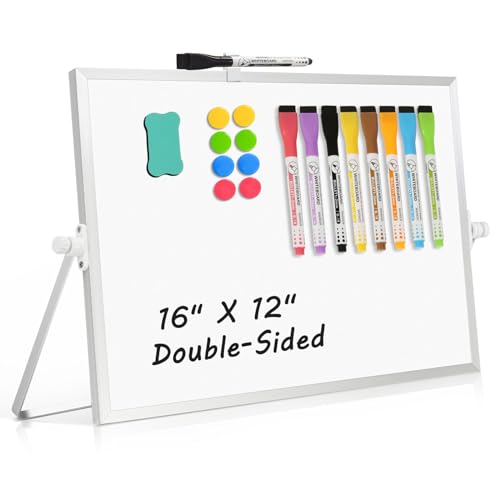
Create a visual teaching schedule board using a whiteboard or large paper taped to the wall. Draw 4-5 time slots between courses. When guests arrive, they write their name and skill in an open slot. First-come teaching order removes decision paralysis.
Prep a meal that requires minimal active cooking during the event. Slow-cooker proteins, room-temperature grain salads, make-ahead desserts. You need to be facilitating, not sweating over a stove. Set the table with extra napkins—hands-on learning gets messy.
Start with a 10-minute icebreaker before the first course: everyone shares their skill in one sentence and why they picked it. This primes people and reveals surprising overlaps. Someone teaching basic sewing might connect with someone teaching button repair.
Ring a bell or use a visible timer for each teaching slot. When time's up, the teacher gets 2 minutes for questions, then you transition to the next course or teacher. Firm time limits prevent rambling and keep energy moving. People can always exchange contacts for deeper dives later.
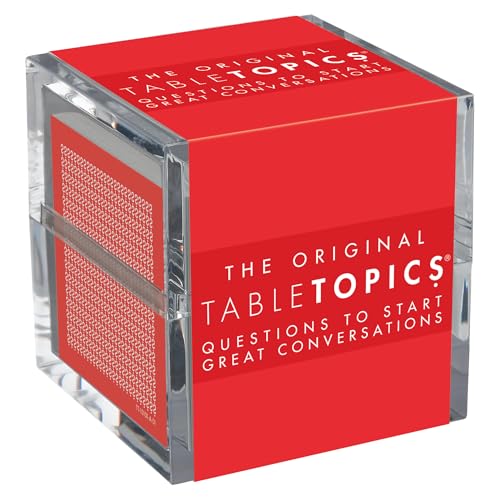
Keep conversation prompt cards nearby for natural lulls between teaching moments. Questions like 'What skill do you wish you'd learned as a kid?' or 'What's something you taught yourself from YouTube?' keep the theme alive during eating.
End with a group share-out: everyone names one skill they want to practice this week from what they learned. Take a group photo. Create a shared digital space (group chat, shared doc) where people can post resources, follow-up tips, or plan skill-swap round two.
Get everything you need to make this quest amazing.
Keeps teaching segments on track without awkward time-calling. Visible countdown creates gentle urgency and fairness—everyone gets equal stage time. Removes the host from playing timekeeper.
Large LED timer visible across the room with magnetic or stand-up backing
Creates the teaching schedule that guests fill in when they arrive. Visual accountability—people commit when they write their name. Also useful for teachers to sketch diagrams or write key terms during their segment.
Small to medium whiteboard for scheduling and notes
Fills natural conversation gaps between teaching segments without forcing small talk. Keeps energy focused on the skill-sharing theme. Especially useful if you're hosting a mix of strangers and friends.
Pre-made question cards focused on skills, learning, and personal growth
More pleasant than shouting over conversation to announce teacher changes. One ring means '2 minutes left,' two rings means 'time to switch.' Creates a Pavlovian structure that keeps things moving playfully.
Simple bell for signaling transitions
As an Amazon Associate, IRL Sidequests earns from qualifying purchases at no extra cost to you.
Prices and availability are subject to change. The price shown at checkout on Amazon at the time of purchase will apply.
Hand-selected quests our team thinks you'll love

That cracked sidewalk planter doesn't need to stay dead—fill it with wildflowers at 2AM and watch neighbors smile for months.

The best community connections start with showing up, not screens.

The best dinner parties end with everyone leaving smarter than they arrived.