Five workbenches, three hours, one membership—find the craft that clicks.
Rotate through five maker stations in a single session—woodworking, electronics, textiles, 3D printing, and metalwork—to find your craft obsession.
Most makerspaces offer open-house nights or intro passes where you can sample equipment without committing to a full class. The goal here isn't mastery—it's exposure. You'll spend 30 minutes at five different stations, rotating through woodworking lathes, soldering irons, industrial sewing machines, 3D printers, and metalworking tools. By the end, you'll know which sparks genuine curiosity and which feels like homework. The beauty of this format is tactile honesty. Watching YouTube tutorials about laser cutters is different from smelling the burnt wood and hearing the hum. You'll touch materials, make mistakes in real time, and chat with regulars who can tell you what the learning curve actually looks like. Most spaces have veteran members supervising stations during open hours—they're there to prevent disasters and answer questions, not judge your first attempts. Bring a small notebook to jot down which tools felt intuitive and which projects excited you. Some stations will click immediately (you'll lose track of time), others will feel awkward or intimidating. That contrast is the data you need. By the end of the rotation, you'll have a mental shortlist of skills worth pursuing and a realistic sense of what maker culture actually involves day-to-day.
Find a makerspace within 30 minutes of your location using search terms like '[your city] makerspace open house' or '[your city] maker collective'. Check their calendar for beginner-friendly hours—avoid Friday nights when regulars monopolize equipment.
Call or email ahead to confirm drop-in access and station availability. Ask if they provide safety gear (goggles, gloves) or if you need to bring your own. Some spaces require closed-toe shoes and tie-back long hair.
Arrive 15 minutes early to complete any liability waivers and get a facility tour. Staff will show you restroom locations, emergency exits, and which tools are off-limits without certification.
Start with the woodworking station. Most spaces have a simple lathe or chop saw demo project—a coaster, a small bowl, or a keychain. Focus on how the grain resists the blade and how sawdust smells. Notice if standing at the workbench feels comfortable or if the noise level bothers you.
Move to electronics/soldering next. Typical intro project: solder an LED circuit onto a small PCB. Pay attention to hand steadiness and whether you enjoy the precision work. The burnt flux smell is polarizing—you'll know within minutes if it's pleasant or headache-inducing.
Hit the textiles station third. Try the industrial sewing machine on scrap fabric or attempt a basic screen-printing setup if available. Notice if the repetitive motion feels meditative or tedious. Textile work often has a rhythm that either calms or frustrates.
Rotate to the 3D printing area. Most intro sessions involve slicing a pre-made file and watching the first layers print. The process is slow—use this time to observe the printer's precision and imagine what you'd actually design. Chat with anyone waiting nearby about print times and material costs.
Finish at the metalworking station if available (some smaller spaces skip this due to noise/ventilation needs). Try filing a piece of scrap metal smooth or practice basic welding tacks under supervision. Metal is unforgiving—mistakes are loud and permanent—but the finished weight in your hand feels substantial.
Before leaving, grab business cards or brochures with membership pricing, class schedules, and machine certification requirements. Ask staff which station sees the most beginner drop-off and which has the strongest community.
Within 24 hours, write down which two stations you'd return to and why. Be specific: 'liked the smell of wood' isn't useful, but 'enjoyed problem-solving why the lathe bit kept catching' is actionable intel.
Get everything you need to make this quest amazing.
Makerspaces mandate eye protection—bring your own to ensure proper fit and avoid shared sweat-stained loaners. Side shields block flying debris from lathes and grinders.
ANSI Z87.1 rated safety glasses with wraparound protection
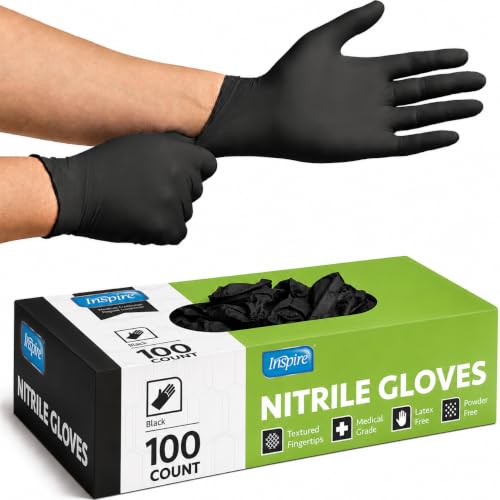
Many stations involve oils, resins, or inks that stain hands for days. Nitrile lets you touch materials without worrying about cleanup or skin reactions.
Disposable nitrile gloves for resin, paint, and chemical handling
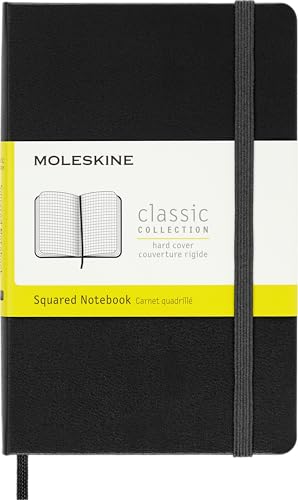
Grid paper makes it easy to sketch rough project ideas at each station and jot down measurements or material specs. Better than phone notes when your hands are covered in sawdust.
Small grid-ruled notebook for sketching designs and taking notes
At the 3D printing and metalwork stations, precise measurements matter. A caliper lets you measure existing objects to reverse-engineer designs and understand tolerances.
6-inch electronic measuring tool accurate to 0.01mm
As an Amazon Associate, IRL Sidequests earns from qualifying purchases at no extra cost to you.
Prices and availability are subject to change. The price shown at checkout on Amazon at the time of purchase will apply.
Hand-selected quests our team thinks you'll love

Wake up with the birds and see your neighborhood through new eyes.

The best way to learn creative skills? Make bad art until it gets good.

Your hands built the first bowls 20,000 years ago. They still can.