
Host a Rotating Craft Workshop Series
Turn your garage, community center, or studio into a revolving door of craft mastery.
About This Quest
Transform a space into a rotating craft workshop where locals teach and learn skills like ceramics, weaving, printmaking, and woodworking through structured sessions.
Craft workshops thrive when they rotate instructors and techniques. You're not opening a permanent pottery studio—you're curating a series where someone teaches block printing one month, another leads natural dyeing the next, and a woodworker shows joinery techniques after that. The magic happens when participants become teachers, when the weaver from March comes back in July to learn screenprinting. The logistics matter more than the romance. You need worktables that handle wet and dry processes, storage for materials between sessions, and a scheduling system that gives instructors three weeks' notice minimum. The best workshops run 3-4 hours with a 15-minute break—long enough to complete a small project, short enough that hands don't cramp and attention doesn't drift. Charge enough to cover materials plus a modest instructor fee, but keep it accessible. Thirty dollars gets you into most community workshops; fifty if materials are expensive like leather or metal clay. Start with crafts that don't require kilns, welders, or ventilation systems. Hand-building ceramics air-dry, block printing needs a brayer and some ink, macramé works with cotton cord and dowels. Once you've run six sessions and know your crowd, invest in specialty equipment. The pottery wheel can wait until you've confirmed people will show up for the tenth consecutive Tuesday.
Why This Quest Matters
You're building a space where craft knowledge circulates instead of staying locked in one expert's head. The accountant who took macramé becomes the kumihimo teacher; the weaver cycles back as a student. When your tenth consecutive Tuesday arrives and people still show up, you've created something that teaches itself.
What You'll Experience
- How to logistics-manage creative sessions without micromanaging instruction
- Which crafts scale to group learning and which need expensive equipment you can delay
- How to structure 3-4 hour workshops so hands don't cramp and projects actually finish
- The economics of pricing workshops to cover materials, instructor fees, and space rental while staying accessible
- How to transform participants into teachers through skill-swap systems
What You'll Need
Top gear to make this quest great.
Pull it off
Heavy-Duty Adjustable Folding Worktables
Standard folding tables wobble under pressure tools and can't handle wet processes. These lock stable for carving, printing, and wet clay work. Adjustable height accommodates both standing (printmaking) and seated (detail work) crafts. The waterproof surface survives paint spills, dye baths, and decades of use.
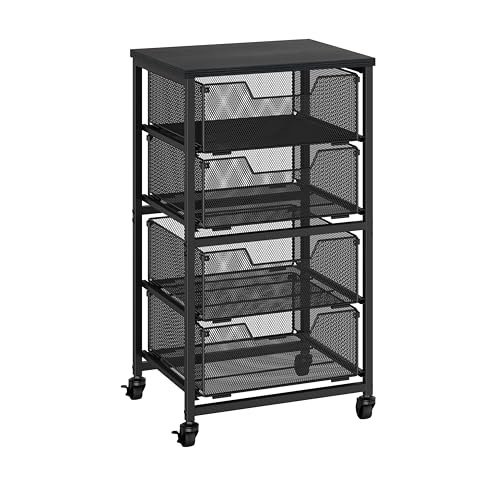
Craft workshops die by a thousand lost tools. This cart holds printmaking brayers separate from clay tools, keeps embroidery needles away from bookbinding awls. Roll between storage and workspace. Shallow drawers mean you see everything at a glance instead of digging through boxes mid-session. The instructor grabs what they need in one trip.
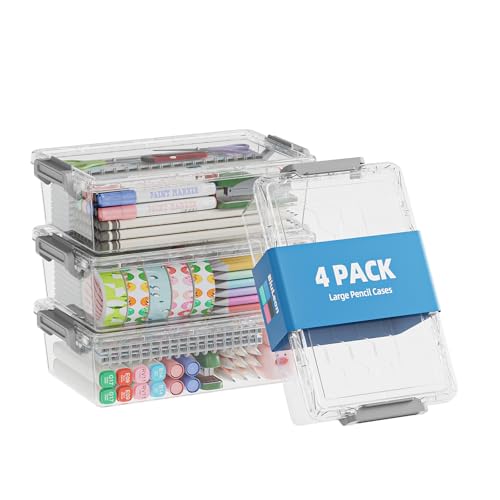
Between workshops, materials need organization that survives months of storage. Clear fronts let you spot the textile dyes without opening six boxes. Stack them four-high in a closet or garage corner. When the weaving instructor arrives, hand them their bin—everything's there. No last-minute runs to the art supply store because you can't find the shuttle.
As an Amazon Associate I earn from qualifying purchases. Prices may change.
Step-by-Step Guide
Scout and secure your space
Visit three potential venues—community centers, garage studios, or shared workshops—measuring doorways, checking electrical outlets, and confirming water access. You need at least 200 square feet with good natural light. Budget $25-50/hour for rentals or $300-500/year for liability insurance if using your own space.
💡 Pro Tips:
- • Measure doorways before committing—you'll be hauling six-foot folding tables through them
- • Test outlets with multiple devices; hot glue guns and heat tools will run simultaneously
Recruit three instructors for quarter one
Find your first teachers at art supply stores, neighborhood Facebook groups, or among community college adjuncts. Offer $100-150 per 3-hour session; they provide curriculum and materials lists two weeks before each workshop while you handle registration and space logistics.
💡 Pro Tips:
- • Start with instructors who teach forgiving crafts—linocut, stamped textiles, hand-building ceramics that air-dry
Set up registration and cap attendance
Build a Google Form that feeds into a spreadsheet, collecting names, emails, and dietary restrictions if you're providing snacks (crackers and cheese keep energy steady). Cap workshops at 10-12 people for hands-on techniques, 15-20 for demo formats like natural dyeing.
Stock core supplies and storage
Order folding tables, plastic table covers in 100-foot rolls, commercial paper towel dispensers, a first aid kit, and a shop vacuum. Store materials in labeled plastic bins organized by craft type—the block printing bin lives far from the wet-clay bin.
Run your first session as logistics orchestrator
Arrive 90 minutes early to set up stations with tools already laid out, printed instruction cards at each spot, and all equipment tested. During the workshop, your job is refilling water pitchers, restocking supplies, troubleshooting tool malfunctions, and walking the room every 20 minutes—not teaching.
💡 Pro Tips:
- • Clean that sticky brayer now, before twelve people arrive and notice it doesn't roll smoothly
Debrief, adjust, and build skill-swap system
After each session, discuss with the instructor what worked, what materials ran out, and whether timing held while cleaning up together. By session four, let participants who've attended three workshops propose teaching one—vet their sample and help structure timing, but let them lead. Your weaver from March returns in July to learn screenprinting, then teaches kumihimo in October.
💡 Pro Tips:
- • Schedule workshops in themed quarters: spring for natural materials, summer for outdoor crafts, fall for preparation makes, winter for cozy textile arts
Gear Up for Your Quest
The gear that makes this quest work.
Pull it off

Heavy-Duty Adjustable Folding Worktables
Standard folding tables wobble under pressure tools and can't handle wet processes. These lock stable for carving, printing, and wet clay work. Adjustable height accommodates both standing (printmaking) and seated (detail work) crafts. The waterproof surface survives paint spills, dye baths, and decades of use.
+ complete the kit — 3 more

Craft workshops die by a thousand lost tools. This cart holds printmaking brayers separate from clay tools, keeps embroidery needles away from bookbinding awls. Roll between storage and workspace. Shallow drawers mean you see everything at a glance instead of digging through boxes mid-session. The instructor grabs what they need in one trip.
Steel rolling cart with multiple shallow drawers for organizing small craft tools by discipline
Get on Amazon · $49.99 — Multi-Drawer Rolling Tool Cartdetails & deals →
Workshop Scheduling and Registration Software
RecommendedGoogle Forms break down after your third workshop when you're juggling waitlists, refunds, and material pre-orders. Proper software sends automatic reminders two days before (cuts no-shows by 40%), processes payments without manual invoicing, and handles the person who emails at 11 PM wanting to switch from October to November's session.
Dedicated platform for class registration, payment processing, automated reminders, and waitlist management

Between workshops, materials need organization that survives months of storage. Clear fronts let you spot the textile dyes without opening six boxes. Stack them four-high in a closet or garage corner. When the weaving instructor arrives, hand them their bin—everything's there. No last-minute runs to the art supply store because you can't find the shuttle.
Set of 12-16 large plastic bins with transparent front panels for material organization by craft type
Get on Amazon · $13.99 — Stackable Craft Storage Bins with Clear Frontsdetails & deals →RELATED GEAR GUIDE
Phone Photography Kit: 9 Picks for Better Shots
Field-tested picks · Creative Arts
As an Amazon Associate, IRL Sidequests earns from qualifying purchases at no extra cost to you.
Prices and availability are subject to change. The price shown at checkout on Amazon at the time of purchase will apply.
Editor's Picks
Hand-selected quests our team thinks you'll love

Dawn Patrol: Your First Bird Watching Adventure
Wake up with the birds and see your neighborhood through new eyes.

Creative Skills Quest Hub: Learn By Doing
The best way to learn creative skills? Make bad art until it gets good.

Hand-Built Ceramic Bowl Workshop
Your hands built the first bowls 20,000 years ago. They still can.