Creative Arts Challenges: Learn & Make Together
Turn any living room into an art studio where mistakes become learning moments and everyone leaves with something they actually made.
About This Quest
Host collaborative art-making sessions where friends tackle creative challenges, learn new techniques, and build skills together through structured activities.
Most people want to try creative hobbies but freeze when faced with a blank canvas alone. Group art challenges solve this by combining skill-building with social accountability. You'll set up structured creative sessions where 3-6 people tackle the same artistic challenge, learn from each other's approaches, and actually finish projects instead of abandoning them halfway through. The format works because everyone's at the same starting line. When someone figures out how to blend that tricky color or finally nails a technique, they share it immediately. You'll rotate through different mediums—watercolor one week, simple block printing the next, paper collage after that. The time limit (usually 90 minutes of active making) prevents overthinking and perfectionism. Your living room transforms: tarps on the floor, materials spread across tables, music playing, and that specific smell of acrylic paint mixed with coffee. What makes this different from a traditional class is the peer-learning model. There's no instructor lecturing at the front. Instead, you watch tutorial videos together, pause to try techniques, troubleshoot problems as a group, and celebrate when someone cracks a method that works. By session three, you'll notice people bringing their own material experiments to share. By session six, the group develops inside jokes about artistic disasters and starts planning more ambitious projects together.
Why This Quest Matters
By session three, you'll have a living room that smells like paint and coffee, inside jokes about artistic disasters, and a group text thread full of technique experiments people are dying to share. The peer-learning model means you're not just making art—you're building a community where creative risks feel safe and unfinished projects actually get completed.
What You'll Experience
- How to structure creative sessions that prevent perfectionism paralysis
- Peer teaching methods that work better than traditional instruction
- Techniques across multiple mediums through hands-on experimentation
- How to give and receive specific artistic feedback
- Building creative accountability that keeps projects from getting abandoned
What You'll Need
Top gear to make this quest great.
Pull it off
Washable Drop Cloth Set
Removes the anxiety about damaging furniture or floors, letting people experiment freely without worrying about mess. The washable feature means you reuse them for every session instead of constantly buying disposable protection.
Get on Amazon · $22.24 — Washable Drop Cloth SetHaving starter supplies on hand means new participants can jump in without investment, and you can pivot to different mediums based on group interest. Look for sets that include enough materials for 4-6 people to try techniques during the exploration phase.
Keeps the challenge structure visible without anyone constantly checking their phone. The visual countdown creates productive urgency that pushes people past overthinking while giving clear time boundaries for each session segment.
As an Amazon Associate I earn from qualifying purchases. Prices may change.
Safety Tips
- The Canvas Drop Cloth's 8 Oz thick material absorbs liquids, but always check that it's fully covering your floor or furniture edges before starting with wet mediums like watercolors or acrylics to prevent any drips from reaching unprotected surfaces.
- Set the AVINIA timer's brightness using its three levels (constant brightness, dim mode, or light off) based on your ambient lighting—avoid constant bright mode in dim rooms to prevent eye strain during long creative sessions.
Step-by-Step Guide
Set Your First Creative Challenge
Pick a beginner-friendly medium like watercolor or colored pencil, choose a specific theme (urban landscapes, abstract color studies, botanical patterns), and find 2-3 tutorial videos under 15 minutes each. Invite 4-5 people who've mentioned wanting to try creative hobbies, setting the date 2 weeks out with a supply list sent 5 days before. The 90-minute making window and concrete theme remove the paralysis of infinite possibilities.
💡 Pro Tips:
- • Mixed media sets with multiple mediums let you test options without buying separate supplies
- • Themes that combine techniques (watercolor backgrounds with pencil details) work especially well for groups with varying skill levels
Transform Your Space Into a Studio
Thirty minutes before people arrive, cover your floor or table with drop cloths large enough for everyone to work without crowding. Arrange seating so everyone sees each other's work, set up a shared screen for watching tutorials together, and create a demo station where people can test techniques risk-free. Put on instrumental music at conversational volume.
💡 Pro Tips:
- • Heavy-duty canvas drop cloths with double-stitched hems protect floors from liquid and won't rip during cleanup
Launch With Guided Technique Exploration
Watch one tutorial together for 15 minutes, pausing frequently so everyone tries brush strokes or tests materials before touching their final piece. Then set a visible timer for the 90-minute making session—the countdown creates focus without pressure. This removes the intimidation of the blank surface by giving everyone shared techniques to start with.
Facilitate Peer Learning While Making
Circulate every 20 minutes to spot when someone solves a problem (paint consistency, composition balance), then ask them to show the group. At the 60-minute mark, do a gallery walk where everyone views others' work and offers one specific observation about technique or composition—not generic praise. These interruptions give fresh perspective and spark new approaches.
💡 Pro Tips:
- • Mini-demonstrations of discoveries build collaborative culture faster than any instructor lecture
Close With Reflection and Documentation
Call time at 90 minutes even if pieces aren't finished, allow 15 minutes for final details, then gather for 20 minutes where everyone shares one thing they learned and one thing they'll try differently next time. Take group photos of all pieces together and create a shared album within 48 hours. Send a poll about the next medium and schedule session two within 3 weeks—monthly sessions lose momentum.
💡 Pro Tips:
- • Take photos from the same angle each session to create before/after compilations showing skill development
Deepen Community With Collaborative Projects
By session four, introduce shared work: everyone rotates working on the same large canvas in 15-minute intervals, or creates components that combine into one final piece. This pushes people beyond individual comfort zones and creates artifacts that belong to the whole group. Share progress compilations in your group chat between sessions to maintain energy and attract new participants.
Gear Up for Your Quest
The gear that makes this quest work.
Pull it off

Washable Drop Cloth Set
Removes the anxiety about damaging furniture or floors, letting people experiment freely without worrying about mess. The washable feature means you reuse them for every session instead of constantly buying disposable protection.
Get on Amazon · $22.24 — Washable Drop Cloth Setdetails & deals →+ complete the kit — 3 more

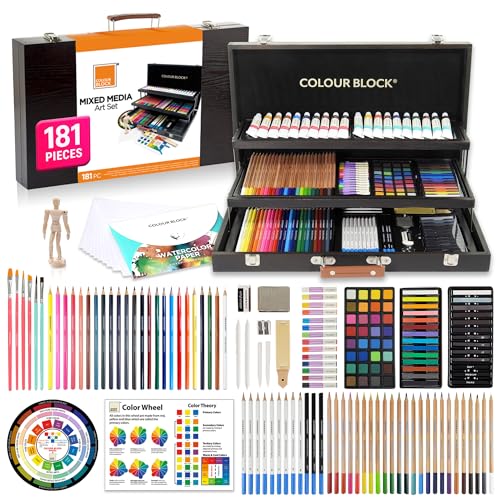
Multi-Medium Starter Kit
EssentialPopularHaving starter supplies on hand means new participants can jump in without investment, and you can pivot to different mediums based on group interest. Look for sets that include enough materials for 4-6 people to try techniques during the exploration phase.
Curated set with basic supplies for 3-4 different art forms (watercolor, acrylic, drawing, collage materials)
Get on Amazon · $74.99 — Multi-Medium Starter Kitdetails & deals →
Art Instruction Timer with Visual Display
RecommendedKeeps the challenge structure visible without anyone constantly checking their phone. The visual countdown creates productive urgency that pushes people past overthinking while giving clear time boundaries for each session segment.
Large digital timer with color-coded display visible from anywhere in the room
Get on Amazon · $13.99 — Art Instruction Timer with Visual Displaydetails & deals →
Technique Reference Card Set
RecommendedLets people quickly check technique without rewinding videos or interrupting their flow. Especially valuable when someone gets stuck—they can glance at the card instead of losing momentum. Build a collection across different mediums over time.
Laminated quick-reference cards showing basic techniques for various mediums
Get on Amazon · $22.95 — Technique Reference Card Setdetails & deals →RELATED GEAR GUIDE
Phone Photography Kit: 9 Picks for Better Shots
Field-tested picks · Creative Arts
As an Amazon Associate, IRL Sidequests earns from qualifying purchases at no extra cost to you.
Prices and availability are subject to change. The price shown at checkout on Amazon at the time of purchase will apply.
Editor's Picks
Hand-selected quests our team thinks you'll love

Dawn Patrol: Your First Bird Watching Adventure
Wake up with the birds and see your neighborhood through new eyes.

Creative Skills Quest Hub: Learn By Doing
The best way to learn creative skills? Make bad art until it gets good.

Hand-Built Ceramic Bowl Workshop
Your hands built the first bowls 20,000 years ago. They still can.