
Creative Arts Quests for Beginners: From Idea to Finished Project
Most creative projects die at 80% done—here's how to cross the finish line.
About This Quest
Turn creative ideas into finished projects with a proven workflow for beginners. Learn material selection, execution techniques, and how to push past the dreaded 80% completion wall.
The space between "I have an idea" and "I made something" is where most creative ambitions go to die. You've got the Pinterest board, the bookmarked tutorials, maybe even the supplies gathering dust. What's missing isn't talent—it's a repeatable process that works regardless of medium. This quest walks you through selecting a realistic first project, breaking it into daily chunks, and navigating the psychological dead zone where most people quit (right around 80% completion, when the novelty wears off and the finishing details feel tedious). You'll pick one medium—digital illustration, hand lettering, simple woodworking, collage, block printing, whatever speaks to you—and commit to one small finished piece. Not a masterpiece. Not portfolio-worthy. Just complete. The skill you're really building here is finisher's discipline: knowing when to pivot versus when to power through, how to troubleshoot without spiraling into paralysis, and what "done" actually looks like when perfectionism keeps whispering for one more revision. By the end, you'll have a tangible object and a template you can repeat. The magic happens in the constraints. Small scale. Clear deadline. One medium only. This isn't about finding your artistic voice yet—that comes from repetition. This is about proving to yourself that you can start something creative on a Tuesday and hold it in your hands by the following Sunday. Once you've done it once, the second project gets exponentially easier.
Why This Quest Matters
You'll hold a tangible thing you made from scratch within a week, proving the gap between idea and finished object isn't about talent—it's about process. That first completion rewires your brain: suddenly the second project feels exponentially more doable, and the creative paralysis that kept you bookmarking tutorials instead of making things starts to dissolve. Finisher's discipline is the hidden skill that separates people who "dabble" from people who build bodies of work.
What You'll Experience
- How to define "done" before perfectionism hijacks your project
- The 80% wall phenomenon and how to push through it
- A repeatable three-session structure that works across any medium
- When to pivot versus when to power through creative resistance
- How to troubleshoot without spiraling into tutorial paralysis
What You'll Need
Top gear to make this quest great.
Pull it off
Medium-Specific Starter Kit (Select One)
Eliminates decision paralysis from browsing aisles of options and ensures compatibility of tools—starter kits force you to work within constraints rather than endlessly upgrading equipment
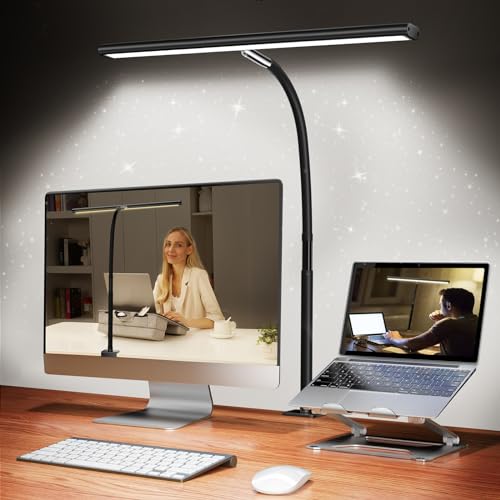
Proper lighting eliminates eye strain during detail work and shows true colors—most creative failures come from working under the wrong light temperature and not seeing what you're actually making
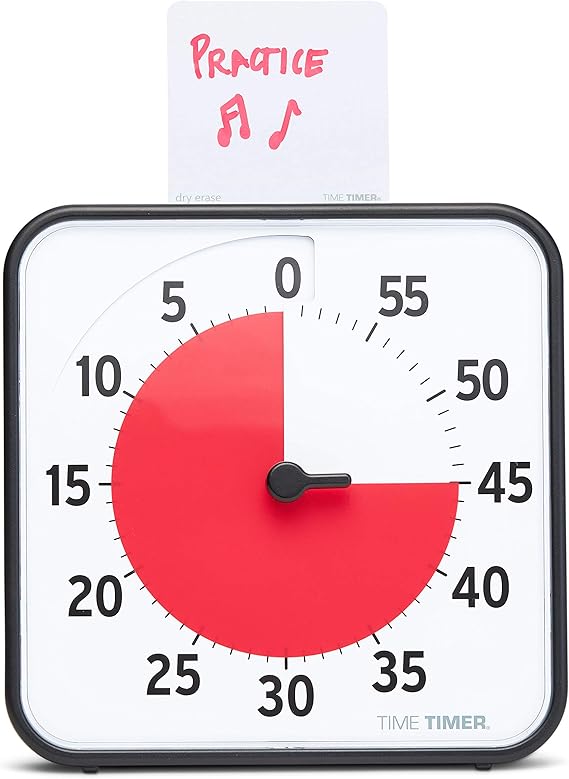
Keeps you accountable during work sessions without the distraction of checking your phone for the time—the physicality of winding it or flipping it is a ritual that signals work mode
As an Amazon Associate I earn from qualifying purchases. Prices may change.
Step-by-Step Guide
Pick Your Medium and Gather Everything
Choose based on what you already own or what genuinely intrigues you—not what looks impressive on Instagram. Write down your definition of "done" before you start: specific dimensions, export format, or finishing details like a signature. Do a full material check now: touch every tool, open every supply, confirm nothing's missing that will halt you mid-project.
💡 Pro Tips:
- • Collage, hand lettering, and digital drawing work well for first finishes—low barrier, quick feedback
- • Your "done" statement should be physical enough that a stranger could verify it
Block Three Sessions Over One Week
Schedule Session 1 (rough draft, 2 hours), Session 2 (bulk execution, 2-3 hours), and Session 3 (finishing, 1-2 hours). Splitting the work prevents burnout and gives you fresh eyes between rounds. Treat these blocks as non-negotiable appointments with yourself.
💡 Pro Tips:
- • Ending sessions mid-task (not at natural stopping points) makes it easier to resume momentum
Start Ugly and Fast in Session One
Sketch in pencil before ink. Test colors on scrap paper. Build the rough structure before worrying about polish. Your first pass should feel only 60% right—you're establishing the bones, not the beauty. Speed matters more than precision right now.
Power Through the 80% Wall
When it stops being fun and becomes tedious cleanup, you've hit the zone where most projects die. Take a 24-hour break, then set a one-hour timer for your finishing session. Most details you're agonizing over are invisible to anyone but you—done beats perfect.
💡 Pro Tips:
- • The 80% wall is psychological, not creative—it shows up in every project, so expect it and plan for it
Declare Done and Document the Process
Stop at your predefined finish line even if you see five more tweaks. Sign it, date it, photograph it from multiple angles. Immediately write down what worked, what didn't, and what you'd change for project two—these notes are your evolving template.
💡 Pro Tips:
- • Posting your finished piece to one platform (even a private album) makes completion feel real
Gear Up for Your Quest
The gear that makes this quest work.
Pull it off

Medium-Specific Starter Kit (Select One)
Eliminates decision paralysis from browsing aisles of options and ensures compatibility of tools—starter kits force you to work within constraints rather than endlessly upgrading equipment
+ complete the kit — 3 more

Proper lighting eliminates eye strain during detail work and shows true colors—most creative failures come from working under the wrong light temperature and not seeing what you're actually making
LED lamp with adjustable arm and warm/cool light settings
Get on Amazon · $19.92 — Adjustable Desk Lamp with Color Temperature Controldetails & deals →
Kitchen Timer or Time Cube
RecommendedKeeps you accountable during work sessions without the distraction of checking your phone for the time—the physicality of winding it or flipping it is a ritual that signals work mode
Physical timer that sits on your desk, no phone required
Get on Amazon · $27.95 — Kitchen Timer or Time Cubedetails & deals →
Having a physical home for your project materials keeps everything in one place and makes it easier to pick up where you left off—reduces the activation energy of starting each session
Simple binder to store reference images, test swatches, and progress photos
Get on Amazon · $5.98 — A4 Project Binder with Sheet Protectorsdetails & deals →RELATED GEAR GUIDE
Fermentation & Canning Kit: 8 Beginner Picks
Field-tested picks · Creative Arts
As an Amazon Associate, IRL Sidequests earns from qualifying purchases at no extra cost to you.
Prices and availability are subject to change. The price shown at checkout on Amazon at the time of purchase will apply.
Editor's Picks
Hand-selected quests our team thinks you'll love

Dawn Patrol: Your First Bird Watching Adventure
Wake up with the birds and see your neighborhood through new eyes.

Creative Skills Quest Hub: Learn By Doing
The best way to learn creative skills? Make bad art until it gets good.

Hand-Built Ceramic Bowl Workshop
Your hands built the first bowls 20,000 years ago. They still can.