Thirty days, one art form, zero excuses—watch your skills actually improve.
Transform your creative practice with structured 30-day challenges spanning painting, drawing, photography, writing, and mixed media. Daily prompts, skill progressions, and community accountability.
Most people dabble in creative work but never get past the beginner plateau. They skip days, lose momentum, or practice randomly without structure. This 30-day framework fixes that. You pick one creative discipline—watercolor, ink drawing, portrait photography, creative writing, or mixed media collage—and follow a progressive daily challenge that builds on itself. Day 1 teaches basic techniques. Day 15 introduces composition. Day 30 has you creating complex work you couldn't imagine making a month earlier. Each discipline has its own track. Watercolor challenges start with color mixing and washes, then move into wet-on-wet techniques, layering, and finally full landscape compositions. Photography tracks begin with manual mode basics and progress through lighting, composition rules, and environmental portraiture. The structure removes decision fatigue—you know exactly what to practice each day. You'll spend 30-45 minutes per session, which is short enough to stick with but long enough to see tangible improvement. The real power comes from daily consistency and progressive skill building. You're not just completing 30 random art pieces. You're training your eye, building muscle memory, and developing technical vocabulary. By week three, you'll notice you can see color relationships you couldn't before, or your line confidence has completely changed. Track your work with daily photos—the visual progression from Day 1 to Day 30 is always shocking.
Daily creative practice collapses the beginner plateau through structured progression, not random dabbling. By Day 30, you'll create work that seemed impossible a month earlier—not because you found hidden talent, but because you trained your eye and built muscle memory through 30 consecutive focused sessions. The visual proof of your Day 1 versus Day 30 work erases every excuse you've ever made about not being 'naturally artistic.'
Top gear to make this quest great.

Provides color range needed for daily challenges without the cost of artist-grade pigments. Student sets work perfectly for skill building and let you explore color mixing without anxiety about wasting expensive paint.

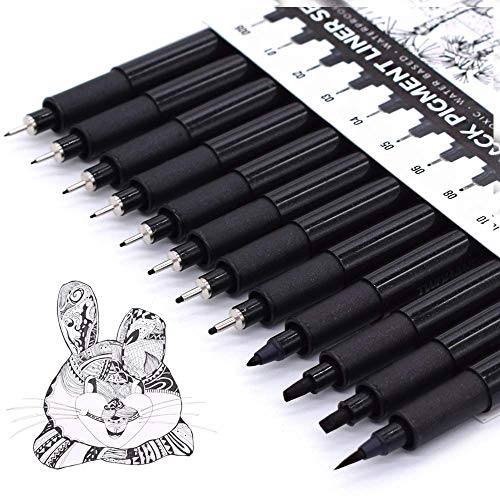
Critical for ink drawing challenges that explore line weight variation and precision. Different nibs create different visual effects—0.1mm for fine details, 0.8mm for bold outlines. Consistent ink flow matters for building confidence.

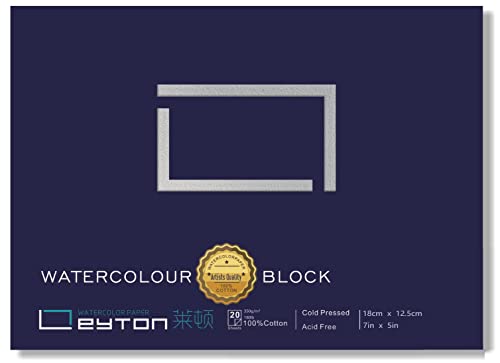
Regular paper warps and pills with water. Cold press texture holds washes properly and allows layering without the paper disintegrating. 140lb weight is thick enough for technique practice without needing to stretch it. Size is large enough for comfortable work but not wasteful.
As an Amazon Associate I earn from qualifying purchases. Prices may change.
Choose one track: watercolor painting, ink drawing, portrait photography, short-form creative writing, or mixed media collage. Base your decision on materials you already own or skills you've been wanting to build. You can always tackle a different discipline in your next 30-day round.
Claim the same physical space and time slot for all 30 days. Painters need a desk near natural light with water access. Photographers should prep their camera bag for quick departure. Writers want a quiet corner with minimal distractions. Environmental consistency transforms intention into automatic habit.
Start your chosen track's first prompt: watercolor painters create 10 swatches exploring one color's full range; ink artists fill a page with varied line weights; photographers shoot 50 manual-mode frames changing only shutter speed; writers produce 300 sensory-detail words describing a room. Photograph or screenshot your completed work in consistent lighting, then file it in a dated '30-Day Challenge' folder. This documentation is for your eyes only—you'll need proof of progress when Week 2 doubt arrives.
Follow each day's new technique challenge, spending your full 30-45 minutes. Week 2 introduces core skills: wet-on-wet blending for painters, hatching for ink artists, composition rules for photographers, dialogue for writers. Week 3 shifts to integration—Day 18 watercolor landscapes use only techniques from Days 1-17; Day 21 portraits combine three earlier lessons. These synthesis days feel harder but reveal how much you've actually absorbed.
Days 25-30 demand everything you've learned: full illustrations, multi-layered paintings, photo essays, 1000-word character-driven narratives. You'll likely exceed 45 minutes some days—let yourself run over. The goal is finishing ambitious work you couldn't have conceived on Day 1, not staying within arbitrary time limits.
On Day 31, lay out all 30 pieces or scroll through your documentation folder. Identify three specific technical skills you now possess—color control, line confidence, compositional instincts, descriptive range—that were absent on Day 1. Decide whether to repeat this challenge with a new discipline or continue deepening your current practice with self-directed work.
Get everything you need to make this quest amazing.

Provides color range needed for daily challenges without the cost of artist-grade pigments. Student sets work perfectly for skill building and let you explore color mixing without anxiety about wasting expensive paint.
Half-pan watercolor set with mixing tray, includes essential colors plus earth tones and specialty shades
Get on Amazon · $8.54
Critical for ink drawing challenges that explore line weight variation and precision. Different nibs create different visual effects—0.1mm for fine details, 0.8mm for bold outlines. Consistent ink flow matters for building confidence.
Archival ink pens in 0.1mm, 0.3mm, 0.5mm, and 0.8mm nib widths
Get on Amazon · $8.99
Regular paper warps and pills with water. Cold press texture holds washes properly and allows layering without the paper disintegrating. 140lb weight is thick enough for technique practice without needing to stretch it. Size is large enough for comfortable work but not wasteful.
9x12 inch pad of cold press paper, 20-30 sheets, 140lb weight prevents buckling
Get on Amazon · $9.99
Standard glue sticks wrinkle paper and yellow over time. Proper medium allows layering of different materials without warping or bubbling. Dries clear and archival. Necessary for mixed media challenges that combine painting, drawing, and collage elements.
Matte medium or gel medium for adhering paper, photos, and found materials
Get on Amazon · $13.46RELATED GEAR GUIDE
Phone Photography Kit: 9 Picks for Better Shots
Field-tested picks · Creative Arts
As an Amazon Associate, IRL Sidequests earns from qualifying purchases at no extra cost to you.
Prices and availability are subject to change. The price shown at checkout on Amazon at the time of purchase will apply.
Hand-selected quests our team thinks you'll love

Wake up with the birds and see your neighborhood through new eyes.

The best way to learn creative skills? Make bad art until it gets good.

Your hands built the first bowls 20,000 years ago. They still can.