Design Your Real-World Achievement System - Personal Growth quest for Intermediate level adventurers

Design Your Real-World Achievement System

Turn your routines into a progression system you can actually see working.

Share:
4 supplies needed· Estimated total: $60+
View supplies

About This Quest

Build a personal achievement tracking system that turns daily habits into unlockable progress—no apps, no subscriptions, just tangible rewards.

Apps gamify everything now, but screen-based dopamine hits fade fast. The achievement systems that stick involve physical artifacts—things you touch, move, and see change. This quest walks you through building a personal progression framework using visual trackers, milestone markers, and reward mechanics borrowed from game design. You'll map skill trees for areas you care about, create visible progress indicators that work like experience bars, and design unlock conditions that actually motivate. The approach combines habit stacking with loss aversion psychology. Instead of tracking streaks digitally, you'll build something you can hang on your wall or desk—a command center for personal leveling. The physical act of updating trackers creates ritual. Seeing empty boxes fill creates momentum. Designing your own achievement criteria (not some app's generic badges) means the system reflects what you actually value. This works for fitness goals, creative output, learning progress, or side project milestones. The key is making achievement visible and tactile. No notifications buzzing. No algorithmic manipulation. Just you deciding what deserves recognition, building the tracking infrastructure, and watching your progress compound in a format that doesn't disappear when you close a tab.

Duration
2-3 hours initial setup, 15 minutes weekly maintenance
Estimated Cost
$60+
Location
Indoor
Season
Year-round
Family Friendly
All ages welcome

What You'll Need

Top gear to make this quest great.

Magnetic Wall Board with MarkersPopular

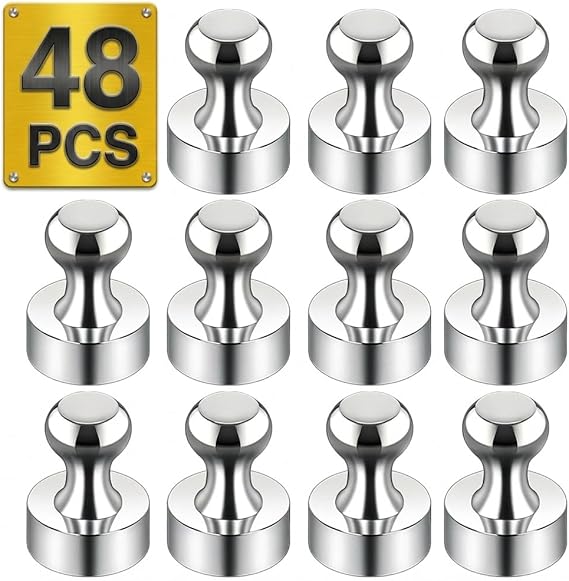
Creates your central achievement dashboard—needs to be large enough to display multiple skill trees and daily quest cards simultaneously. Magnetic surface lets you reposition elements as your system evolves.

$25-45
Premium Index Card Set

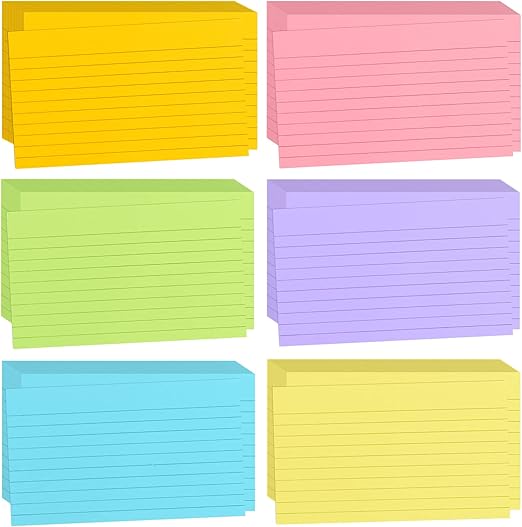
Creates your daily quest cards and achievement definition tags. Thicker cardstock feels more substantial than cheap paper—the weight and texture make the ritual of handling cards more satisfying.

$8-15
Enamel Pin Badge Set

Serves as visual milestone markers and unlockable achievements. Placing a physical pin on your board when you hit a goal creates tangible reward momentum that digital badges can't match.

$18-30
View all 4 supplies

Shopping through these links supports IRL Sidequests at no extra cost to you.

Step-by-Step Guide

1

Map your skill trees: Pick 2-4 areas you want to level up (fitness, creative skills, learning, side projects). For each, write down 3-5 specific sub-skills or milestones. This becomes your progression map—think talent trees in RPGs where you unlock branches as you advance.

2

Design your tracking format: Use a large wall-mounted board or desk easel to create your achievement dashboard. Divide it into sections for each skill area. Build visual progress bars using magnetic strips, washi tape columns, or numbered grids. The format matters less than visibility—you should see progress at a glance without digging through apps.

3

Create milestone markers: Use enamel pins, mini trophy figurines, or reward stickers to mark major achievements. Position empty pins on your board ahead of time at specific progress points (25%, 50%, 75%, completion). Seeing the unclaimed rewards waiting creates forward pull. When you hit a milestone, physically move or place the marker—it's your unlock moment.

4

Define your achievement criteria: Write explicit unlock conditions for each level. Be specific: '10 consecutive workouts' not 'exercise more.' '50 pages written' not 'write regularly.' Vague goals don't create clear win states. Use index cards or label tape to list requirements directly on your board.

5

Build daily quest cards: Cut cardstock into small cards (3x5 inches). Each morning, write 3-5 specific tasks that contribute to your skill areas—these are your daily quests. Place them in an active zone on your board. When completed, move them to a 'finished' section or flip them over. The tactile satisfaction of moving physical cards beats checking digital boxes.

6

Establish your reward economy: Decide what you earn when you hit milestones. Some people use a point system they can 'spend' on treats (movie night, new gear, guilt-free rest day). Others create unlock conditions for bigger goals (hit level 5 in writing before starting that novel). The key is making rewards meaningful to you, not arbitrary app badges.

7

Schedule weekly reviews: Every Sunday, spend 15 minutes updating your board, counting completed daily quests, and adjusting next week's milestones. This is when you level up—calculate if you've hit progression thresholds, place new achievement markers, and reset your quest card stack. The ritual matters. Turn it into an event.

8

Add accountability mechanics: Share progress photos of your board with one person weekly, or create a shared achievement wall if others are building systems too. External visibility adds weight. Some people add 'failure penalties'—if you don't hit minimum weekly progress, you remove a previously earned marker. Loss aversion is powerful.

Gear Up for Your Quest

Get everything you need to make this quest amazing.

Magnetic Wall Board with Markers

EssentialPopular
$25-45

Creates your central achievement dashboard—needs to be large enough to display multiple skill trees and daily quest cards simultaneously. Magnetic surface lets you reposition elements as your system evolves.

Large magnetic whiteboard (24x36 inches minimum) with dry-erase markers and mounting hardware

Get on Amazon · $25-45

Premium Index Card Set

Essential
$8-15

Creates your daily quest cards and achievement definition tags. Thicker cardstock feels more substantial than cheap paper—the weight and texture make the ritual of handling cards more satisfying.

Heavy-weight colored index cards (4x6 inches, 200+ count) with storage box

Get on Amazon · $8-15

Enamel Pin Badge Set

Recommended
$18-30

Serves as visual milestone markers and unlockable achievements. Placing a physical pin on your board when you hit a goal creates tangible reward momentum that digital badges can't match.

Collection of 20-30 decorative enamel pins or mini medals with magnetic backs

Get on Amazon · $18-30

Colored Washi Tape Multi-Pack

Recommended
$12-18

Build color-coded progress bars, section dividers, and skill tree pathways on your board. Easy to reposition without residue, letting you redesign your layout as you refine your system.

Set of 8-12 decorative washi tape rolls in different colors

Get on Amazon · $12-18

Shopping through these links helps support IRL Sidequests at no extra cost to you.