
Side Quest Generator for Friend Groups: Complete Guide
Your group chat needs missions, not just memes.
About This Quest
Turn your friend group into adventurers with a customizable quest generator. Design challenges, track progress, and bond through shared real-world missions.
Most friend groups talk about doing things but rarely follow through. A side quest generator changes that by turning vague ideas into concrete, gamified challenges with stakes, rewards, and built-in accountability. You're creating a framework where someone spins up a quest—"Find the best taco truck in three neighborhoods"—and suddenly five people are competing with photos, ratings, and trash talk in the group chat. The system works because it removes decision paralysis. Instead of endless "what should we do?" threads, you draw from a quest pool organized by difficulty, time commitment, and group size. Solo quests keep momentum between hangouts. Team quests force collaboration. Boss battles—big monthly challenges—give everyone something to rally around. The key is customization: your group's interests, inside jokes, and local spots become the content. This isn't about apps or complex tech. You're building a living document—a shared quest board that evolves as people complete missions and suggest new ones. The magic happens when someone posts completion proof at 11PM on a Tuesday, inspiring two others to tackle their own quests that week. You're engineering serendipity and turning your social circle into an adventure guild.
Why This Quest Matters
You're ending the tyranny of "what should we do?" threads that go nowhere. When someone posts taco truck completion proof at 11PM on a Tuesday, it sparks two others to tackle their own quests that week—you're engineering serendipity and transforming your social circle into an adventure guild where things actually happen.
What You'll Experience
- How to design gamified systems that create real-world action
- The specific mechanics that turn vague ideas into completed missions
- How to build accountability structures that feel fun, not oppressive
- Why proof-of-completion requirements make or break participation
- How to maintain group momentum beyond the initial excitement phase
What You'll Need
Top gear to make this quest great.
Pull it off
Randomizer Dice Set (Polyhedral)
Assign quests to dice faces for random draws during hangouts—removes choice paralysis and adds tangible ritual to quest selection
Get on Amazon · $28.99 — Randomizer Dice Set (Polyhedral)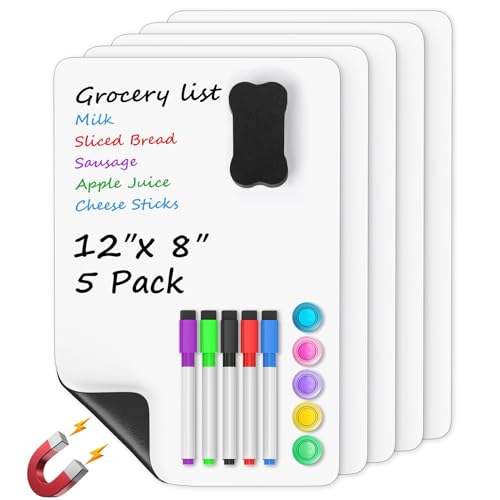
Physical presence at hangout spots keeps quests visible and top-of-mind—digital-only systems get buried in apps and forgotten

Creates artifact collection and makes completion feel more real than phone screenshots—builds tangible quest history
As an Amazon Associate I earn from qualifying purchases. Prices may change.
Step-by-Step Guide
Convene and build the taxonomy
Gather at least three reliable friends for a 90-minute session—virtual works fine. Create a shared collaborative doc everyone can edit. Set up three difficulty tiers: Starter (under 1 hour, low cost), Standard (2-4 hours, moderate effort), Epic (full day or multi-session). Within each tier, establish quest types: Exploration, Creative, Food & Drink, Physical, Social, or Skill.
💡 Pro Tips:
- • Invite people who actually follow through, not chronic flakes
- • Google Docs or Notion work perfectly—no need for fancy tools
Brainstorm and proof your quest pool
Generate 20-30 quest ideas as a group without filtering—mine your shared history for that restaurant mentioned six months ago, the postponed hiking trail, the art class nobody joined. Include both solo-friendly and group-required missions. Define your proof-of-completion system: photos with specific requirements like holding a receipt, recreating a pose, or showing the final product. Decide between point values (10 for Starter, 50 for Epic) or simple completion tracking with monthly leaderboard resets.
💡 Pro Tips:
- • The worst idea in brainstorming often sparks the best quest
- • Specific photo requirements prevent weak proof disputes later
Write the rules and rewards
Document your quest rotation mechanics: how often someone can claim a quest, whether multiple people can tackle the same one simultaneously, what percentage participation counts for team quests. Build a reward structure tied to participation, not just winning—monthly top completer picks next month's Boss Battle, least active person buys first round. Keep stakes light and fun, never punishing.
💡 Pro Tips:
- • Clarity now prevents bitter arguments at 1AM in the group chat
Launch with a mandatory group quest
Complete one achievable afternoon quest together—escape room, neighborhood food crawl, volunteer project. Document everything, post the proof, and test your tracking system in real conditions. This sets the tone and proves the concept works before people tackle solo missions.
💡 Pro Tips:
- • Pick something with a natural photo opportunity for your first proof-of-completion
Establish submission and tracking systems
Set up your quest submission process: anyone can propose new quests with clear objective, estimated time and cost, proof requirement, and difficulty rating. Vote as a group or designate a rotating quest-master for weekly approvals. Build a simple spreadsheet tracking Quest Name, Type, Difficulty, Point Value, Date Added, Who Completed (with dates), and Status (Active/Retired). Add quest chains for depth—complete three coffee shop quests to unlock the Caffeine Cartographer badge and a bonus blind taste test quest.
💡 Pro Tips:
- • People will refresh that tracking doc daily once competition heats up
- • Quest chains turn completionists into obsessive quest hunters
Maintain momentum with monthly rituals
Schedule 30-minute monthly check-ins to review completions, celebrate wins, retire stale quests, and add fresh ones. Handle disputes immediately—if someone claims proof is weak, the group votes within 24 hours, majority rules, quest-master breaks ties. Dead quest pools kill momentum faster than anything, so this maintenance is non-negotiable.
💡 Pro Tips:
- • Retire quests that sit untouched for two months—they're deadweight
Gear Up for Your Quest
The gear that makes this quest work.
Pull it off

Randomizer Dice Set (Polyhedral)
Assign quests to dice faces for random draws during hangouts—removes choice paralysis and adds tangible ritual to quest selection
Get on Amazon · $28.99 — Randomizer Dice Set (Polyhedral)details & deals →+ complete the kit — 2 more

Magnetic Dry-Erase Board (Small)
OptionalPhysical presence at hangout spots keeps quests visible and top-of-mind—digital-only systems get buried in apps and forgotten
Portable whiteboard for tracking active quests and leaderboard
Get on Amazon · $8.99 — Magnetic Dry-Erase Board (Small)details & deals →
Instant Camera Film Pack
OptionalCreates artifact collection and makes completion feel more real than phone screenshots—builds tangible quest history
Physical photo proof that can be posted on quest board
Get on Amazon · $30.90 — Instant Camera Film Packdetails & deals →As an Amazon Associate, IRL Sidequests earns from qualifying purchases at no extra cost to you.
Prices and availability are subject to change. The price shown at checkout on Amazon at the time of purchase will apply.
Editor's Picks
Hand-selected quests our team thinks you'll love

Guerrilla Gardening: Plant Beauty Where It's Not Expected
That cracked sidewalk planter doesn't need to stay dead—fill it with wildflowers at 2AM and watch neighbors smile for months.

Backyard Conversation Workshop
Your backyard becomes the training ground where awkward silences turn into confident conversations.

Community Kitchen & Culinary Connection Hub
The best recipes get passed hand-to-hand, not screen-to-screen.