Food Preservation & Preparation: Master Traditional Techniques - Personal Growth quest for Intermediate level adventurers

Food Preservation & Preparation: Master Traditional Techniques

Turn fleeting harvests into year-round flavor—one jar at a time.

Share:
5 supplies needed· Estimated total: $60+
View supplies

About This Quest

Learn hands-on food preservation techniques including fermentation, canning, and dehydration. Build self-sufficiency skills while reducing food waste and creating shelf-stable ingredients.

Food preservation isn't about prepping for doomsday—it's about capturing peak-season tomatoes in July so you can taste summer in February. I started with a single batch of refrigerator pickles and now my basement shelves hold lacto-fermented hot sauce that's been bubbling for six months, pressure-canned chicken stock from last Thanksgiving's carcass, and dehydrated apple chips that my kids actually choose over packaged snacks. The learning curve is real: my first sauerkraut batch grew white film (kahm yeast, totally safe), and I once forgot to leave headspace in a jam jar that exploded in the canner. But once you understand the science—acid levels for water bath canning, salt ratios for fermentation, temperature curves for dehydration—you gain control over your food supply that grocery stores can't match. The sensory education is underrated. You'll learn to recognize the snap of a properly sealed jar lid, the tangy smell that signals successful fermentation versus the off-odor of spoilage, and the exact texture of jam at gel point (220°F looks different than it reads). Start with high-acid foods like pickles or fruit jams using water bath canning—these are forgiving and don't require pressure equipment. Then graduate to lacto-fermentation where beneficial bacteria do the work (sauerkraut transforms from raw cabbage to tangy crunch in 3-4 weeks at room temperature). The rhythm becomes meditative: chopping, salting, packing jars, waiting. You're working with living processes that existed centuries before refrigeration. The practical benefits compound quickly. I've calculated my home-canned tomatoes cost about $1.80 per quart versus $4-5 for store equivalents, and my fermented vegetables have gut-health benefits that pasteurized versions lack. You'll reduce food waste dramatically—overripe fruit becomes jam, tough vegetable scraps become lacto-fermented condiments, and bulk purchases during seasonal gluts become pantry insurance. This skill set builds genuine self-reliance and creates gift-worthy products that taste distinctly different from anything mass-produced.

Duration
3-6 hours per batch
Estimated Cost
$60+
Location
Indoor
Season
Year-round
Family Friendly
All ages welcome

What You'll Need

Top gear to make this quest great.

Water Bath Canner with Rack
Water Bath Canner with RackPopular

Essential for safely processing high-acid foods like jams, pickles, and tomatoes. The rack prevents jars from touching the pot bottom (which causes uneven heating and potential breakage) and allows boiling water to circulate fully around each jar. A proper canner is taller than stockpots to ensure 1-2 inches of water covers jar tops during processing—critical for reaching safe temperatures throughout.

$35-60
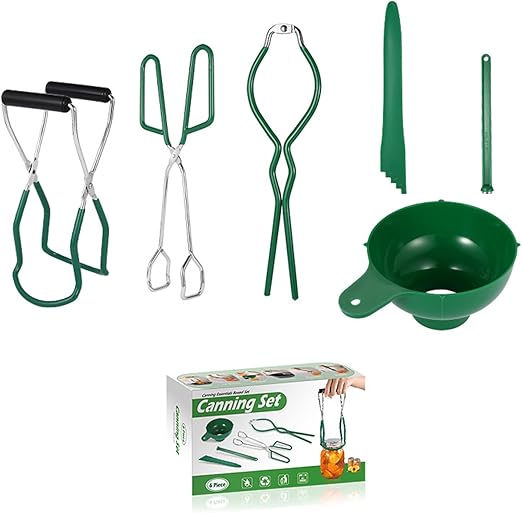
Wide-Mouth Canning Funnel and Jar Lifter Set

The funnel keeps jar rims clean (crucial for proper sealing) while preventing burns from hot splashes during filling. The jar lifter's specialized grip prevents dropped jars and burned hands when moving 200°F+ jars in and out of boiling water. Regular kitchen tongs don't provide secure hold on smooth glass—I learned this with a shattered quart of salsa on my kitchen floor.

$12-20
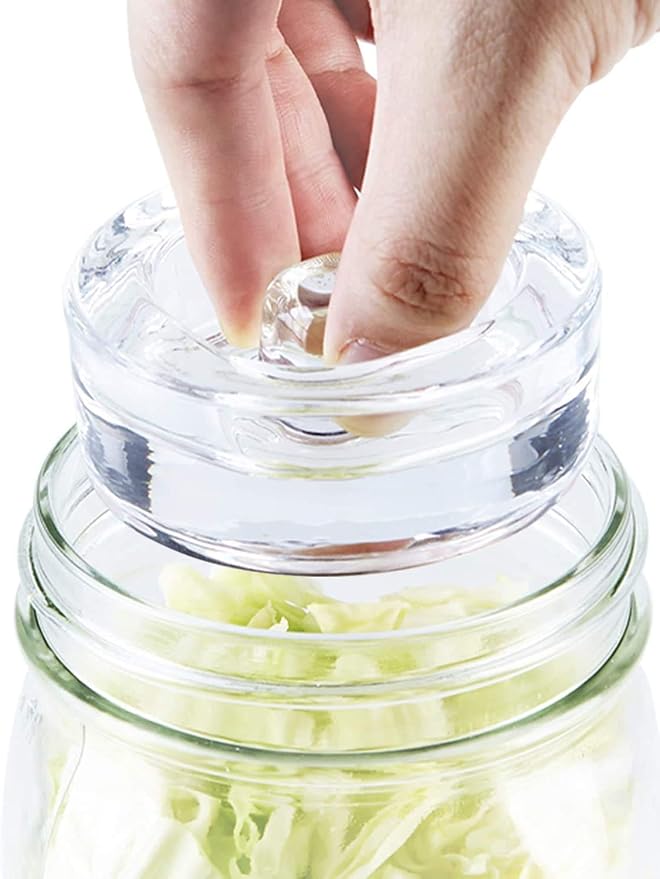
Glass Fermentation Weights (Set of 4)

Prevents surface mold and kahm yeast by keeping all organic matter under anaerobic brine where beneficial bacteria thrive. While you can improvise with cabbage leaves or ziplock bags filled with brine, dedicated weights maintain consistent submersion without slipping—especially important during the active first week when CO2 bubbles try to push vegetables upward. They're reusable indefinitely and prevent the frustration of checking ferments only to find fuzzy growth on exposed pieces.

$18-28
View all 5 supplies

As an Amazon Associate I earn from qualifying purchases. Prices may change.

Step-by-Step Guide

1

Choose your preservation method based on ingredients and storage goals: water bath canning for high-acid foods (pH below 4.6), pressure canning for low-acid foods, fermentation for probiotic-rich items, or dehydration for lightweight storage. Research tested recipes from USDA, Ball Blue Book, or university extension services—improvising recipes risks botulism in low-acid canned goods.

2

Prepare your workspace with sanitized equipment. For canning: wash jars in hot soapy water and keep warm, inspect for chips or cracks, prepare new lids according to manufacturer instructions (modern lids often don't require pre-heating). For fermentation: ensure all containers and weights are cleaned with hot water (no soap residue). Gather ingredients at peak ripeness—preservation captures quality, it doesn't create it.

3

Execute your chosen technique with precise attention to ratios and timing. Water bath canning: prepare recipe, pack hot jars leaving specified headspace, remove air bubbles, wipe rims, apply lids, process in boiling water for recipe-specified time (adjusting for altitude). Fermentation: mix salt brine at 2-3% solution, submerge vegetables below liquid, ferment at 65-75°F away from direct sunlight. Dehydration: slice uniformly (¼ inch thick), arrange with airflow space, dry at 125-135°F until leathery or crisp.

4

Monitor and test for completion using specific indicators. Canned goods: after processing, let jars cool 12-24 hours undisturbed, then check seals by pressing center of lid (should not flex), remove rings and gently lift jar by lid (should hold firm), store sealed jars in cool dark place. Fermented foods: taste daily after day 3—tang should develop without off-flavors, transfer to cold storage when flavor peaks (usually 1-4 weeks). Dehydrated items: should contain no moisture pockets, cool completely before storage to prevent condensation.

5

Label everything with contents and date—your memory will fail you in six months. Store canned goods in locations under 75°F away from light, use within 12-18 months for best quality. Keep fermented foods refrigerated after initial fermentation to slow (not stop) bacterial activity. Store dehydrated foods in airtight containers with oxygen absorbers for 6-12 month shelf life. Document your results: what worked, what ratios you prefer, adjustments for next batch. This becomes your personalized preservation manual.

Gear Up for Your Quest

Get everything you need to make this quest amazing.

Granite Ware 8 Piece Enamelware Water bath canning Pot with Canning kit and Rack. Canning Supplies Starter Kit

Water Bath Canner with Rack

EssentialPopular
$89.99
★★★★★4.7 (4,624)

Essential for safely processing high-acid foods like jams, pickles, and tomatoes. The rack prevents jars from touching the pot bottom (which causes uneven heating and potential breakage) and allows boiling water to circulate fully around each jar. A proper canner is taller than stockpots to ensure 1-2 inches of water covers jar tops during processing—critical for reaching safe temperatures throughout.

Large enamel or stainless steel pot (minimum 3 gallons) with fitted rack to hold jars during boiling water processing

Get on Amazon · $89.99

Canning Supplies Essentials Boxed Set, Canning Supplies Starter Kit, 6 Piece Set Included Canning Jar Lifter Canning Funnel Bubble Popper And Measurer Magnetic Lid Lifter Jar Wrench kitchen Tongs

Wide-Mouth Canning Funnel and Jar Lifter Set

Essential
$12.99
★★★★★4.8 (148)

The funnel keeps jar rims clean (crucial for proper sealing) while preventing burns from hot splashes during filling. The jar lifter's specialized grip prevents dropped jars and burned hands when moving 200°F+ jars in and out of boiling water. Regular kitchen tongs don't provide secure hold on smooth glass—I learned this with a shattered quart of salsa on my kitchen floor.

Heat-resistant funnel that fits standard/wide-mouth jars plus rubberized tongs designed to grip hot jar shoulders securely

Get on Amazon · $12.99

4-Pack of Fermentation Glass Weights with Easy Grip Handle for Wide Mouth Mason Jars

Glass Fermentation Weights (Set of 4)

Recommended
$14.99
★★★★★4.6 (6,150)

Prevents surface mold and kahm yeast by keeping all organic matter under anaerobic brine where beneficial bacteria thrive. While you can improvise with cabbage leaves or ziplock bags filled with brine, dedicated weights maintain consistent submersion without slipping—especially important during the active first week when CO2 bubbles try to push vegetables upward. They're reusable indefinitely and prevent the frustration of checking ferments only to find fuzzy growth on exposed pieces.

Curved tempered glass discs sized to fit wide-mouth mason jars, holding vegetables submerged below brine surface

Get on Amazon · $14.99

pH Test Strips 0-14: 200 Strips Universal Litmus Paper pH Test Strips for Liquid Testing & Water & Food and Soap Making, Get Highly Accurate Results in Seconds

pH Testing Strips (0-6 range)

Recommended
$13.99
★★★★4.4 (434)

Verifies that acidified foods reach safe pH levels (below 4.6) before canning, especially when adapting recipes or working with variable produce acidity. While tested recipes build in safety margins, these strips provide verification—particularly valuable when canning salsa, tomato sauce, or pickled items where improper acid levels risk botulism growth. Takes 30 seconds to test and provides peace of mind that your preserved food won't make anyone sick.

Narrow-range pH indicator papers that provide 0.5 unit precision in the acidic range critical for food safety

Get on Amazon · $13.99

Magic Mill Pro Food Dehydrator Machine | 10 Stainless Steel Trays | Dryer for Jerky, Dog Treats, Herb, Meat, Beef, Fruit | Keep Warm Function, Digital Timer and Temperature Control, ETL Approved

Digital Food Dehydrator Timer Upgrade

Optional
$169.98
★★★★★4.7 (7,287)

Enables overnight or away-from-home drying sessions without fire risk from over-drying or equipment failure. Most basic dehydrators lack auto-shutoff, meaning you're either home-bound during 8-12 hour drying cycles or risking over-dried (burnt) food and wasted electricity. I set mine to run during cheap overnight electricity rates, waking up to finished apple chips instead of monitoring batches. Particularly valuable for working schedules or batch processing multiple trays.

Programmable outlet timer that automatically shuts off dehydrator after set duration, with 15-minute increment control

Get on Amazon · $169.98

As an Amazon Associate, IRL Sidequests earns from qualifying purchases at no extra cost to you.

Prices and availability are subject to change. The price shown at checkout on Amazon at the time of purchase will apply.