
First-Time Snorkeling Adventure: Discover the Underwater World
Float face-down in three feet of water and watch fish ignore you completely—that's when you know you've cracked it.
About This Quest
Master underwater breathing and gear setup with your first snorkeling session. Learn proper fin kicks, mask clearing, and breathing rhythm in shallow water.
Your first time breathing through a tube while floating face-down feels completely unnatural. Your brain screams that you're drowning even though you're pulling in clean air. That panicky feeling lasts maybe thirty seconds before something clicks—you stop fighting it, your breath steadies, and suddenly you're hovering over a world you've only seen in aquarium tanks. A parrotfish grazes algae off a rock two feet below your mask. You're not swimming yet, just floating and breathing, but that's the whole point of this session. This quest walks you through gear fitting, basic breathing rhythm, and foundational kick techniques in shallow water. You'll spend the first hour on land learning how your mask seals, how the dry snorkel prevents water intake, and why fins transform your awkward frog kicks into smooth forward motion. The second hour happens in waist-deep water where you can stand up anytime—no pressure, just practice. By the end, you'll hold a steady flutter kick, clear water from your mask without surfacing, and breathe naturally through the snorkel tube while your face stays submerged. The gear matters more than most beginners realize. A poorly fitting mask floods constantly and kills your confidence. Fins that slip off your heels waste energy and cramp your calves. A basic snorkel without a dry top lets waves slosh into your mouth. Quality equipment doesn't make you a better snorkeler instantly, but it removes the frustrations that make people quit after ten minutes. You're building muscle memory and comfort—the right tools let you focus on technique instead of fighting leaky seals and cramping feet.
Why This Quest Matters
That moment when a parrotfish grazes algae two feet below your mask and doesn't even acknowledge you—that's when you know you've cracked it. You're not fighting the gear or your own panic anymore; you're just hovering in a world most people only see through aquarium glass. The payoff isn't dramatic; it's the quiet realization that you can breathe, float, and watch without effort.
What You'll Experience
- How to breathe naturally through a snorkel tube with your face submerged
- Proper flutter kick technique that lets fins do the work instead of exhausting your legs
- Clearing water from your mask and snorkel without surfacing
- Fitting and adjusting gear so it seals properly and stays comfortable
- Holding a horizontal float position while staying calm and observing underwater life
What You'll Need
Top gear to make this quest great.
Pull it off
Cressi Supernova Dry, Black
The dry-top float valve seals the tube when waves wash over, preventing water intake that triggers panic in beginners. The purge valve at the bottom lets you clear residual water with minimal effort instead of blasting your lungs. Essential for learning proper breathing rhythm without constant flooding interruptions.
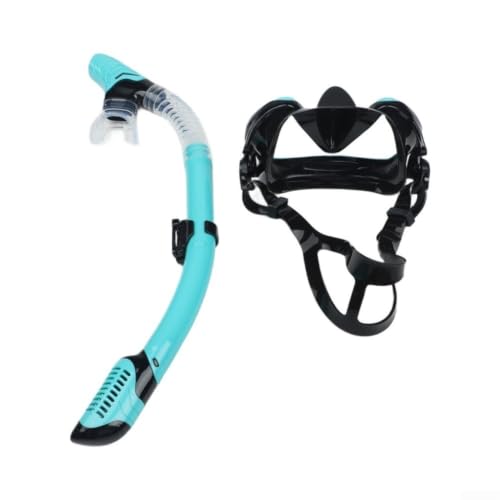
All-in-one package eliminates gear compatibility guesswork for first-timers. The adjustable mask fits most face shapes with proper seal testing, tempered glass resists fogging better than plastic, and the included adjustable fins work with water shoes or bare feet. Gets you in the water immediately without piecing together individual components.
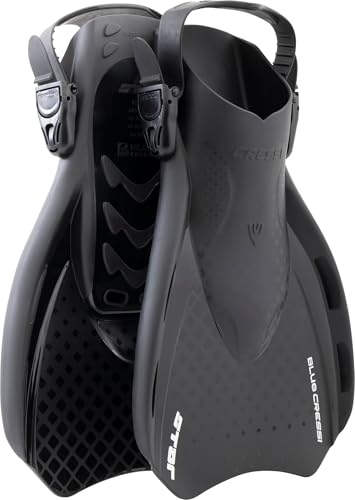
Shorter blade length reduces leg fatigue dramatically for beginners still building ankle flexibility and kick endurance. Open-heel design works with neoprene booties in cooler water and adjusts for precise fit. Upgrade from basic fins if you're doing multiple sessions or have larger feet that don't fit standard full-foot pockets.
As an Amazon Associate I earn from qualifying purchases. Prices may change.
Safety Tips
- If your dry-top snorkel's float mechanism closes underwater (as designed in the Cressi Supernova Dry), simply surface and breathe normally—the valve reopens automatically. Never panic or rip the snorkel from your mouth; the system is working correctly to prevent water entry.
- When adjusting open-heel fin straps like those on the Cressi Star, ensure the buckles click securely into place. Loose straps can cause fins to slip off mid-swim, especially during powerful kicks with the vented blade design. Check strap tension before entering deep water.
Step-by-Step Guide
Test all gear on dry land
Lay out your mask, snorkel, and fins on a towel in the shade. Check that the tempered glass mask seals against your face without the strap—inhale through your nose and it should stick. Try on your fins (whether adjustable open-heel or full-foot pocket style) to ensure they grip firmly without cutting circulation.
💡 Pro Tips:
- • Wet your mask lens, spit in it, rub the saliva around, then rinse lightly—this prevents fogging
- • Overtightening the mask strap causes leaks; you need just enough tension to hold it in place
Wade in and practice floating face-down
Enter waist-deep water at a calm, sandy spot where you can stand easily. Put your fins on one at a time using the standing leg for balance. Float horizontally with your mask submerged and breathe through the snorkel only—slow, deep breaths, four seconds in and four seconds out.
💡 Pro Tips:
- • Your brain will scream that you're drowning even though you're pulling clean air; that panic lasts about thirty seconds before it clicks
- • Stand up whenever you need to reset—no pressure here, just building comfort
Master clearing water from gear
Practice clearing your snorkel by blowing sharply through your mouth if it has no purge valve, or blowing gently to expel water through the purge valve if equipped with one. Clear your mask while standing by tilting your head back, pressing the top frame against your forehead, and exhaling through your nose to push water out the bottom seal.
💡 Pro Tips:
- • Do the mask-clearing drill five times until it feels automatic—this single skill prevents panic when waves splash over you
Build your flutter kick in chest-deep water
Kick with straight legs, movement from the hips, toes pointed and ankles relaxed. Let your fins do the work—whether they're vented blades providing efficient thrust or technopolymer blades storing and releasing energy during the kick cycle. Alternate kick for thirty seconds, stand and rest, then repeat.
Combine breathing and kicking in slow laps
Swim twenty feet parallel to shore, stand up, rest, and repeat. Focus on steady breathing rhythm through the snorkel—don't hold your breath. Your exhales should sound like a calm sigh, not gasping or panting.
💡 Pro Tips:
- • The dry-top valve prevents water from entering even when waves wash over the snorkel tube
Explore the bottom and finish strong
Stay horizontal, breathe normally, and look for shells, rocks, or any fish brave enough to approach within arm's reach. Touch nothing living—observe, don't disturb. End the session before you're exhausted, remove fins first while standing in shallow water, then rinse all gear in fresh water immediately.
💡 Pro Tips:
- • Salt corrodes straps and silicone over time; let gear air-dry in shade, never direct sun
Gear Up for Your Quest
The gear that makes this quest work.
Pull it off

Cressi Supernova Dry, Black
The dry-top float valve seals the tube when waves wash over, preventing water intake that triggers panic in beginners. The purge valve at the bottom lets you clear residual water with minimal effort instead of blasting your lungs. Essential for learning proper breathing rhythm without constant flooding interruptions.
+ complete the kit — 4 more

All-in-one package eliminates gear compatibility guesswork for first-timers. The adjustable mask fits most face shapes with proper seal testing, tempered glass resists fogging better than plastic, and the included adjustable fins work with water shoes or bare feet. Gets you in the water immediately without piecing together individual components.
Complete starter kit with tempered glass mask, dry snorkel, and adjustable fins
Get on Amazon · $37.67 — Snorkeling Set: Dry Top, Adjustable Mask & Fins for Adultsdetails & deals →
Shorter blade length reduces leg fatigue dramatically for beginners still building ankle flexibility and kick endurance. Open-heel design works with neoprene booties in cooler water and adjusts for precise fit. Upgrade from basic fins if you're doing multiple sessions or have larger feet that don't fit standard full-foot pockets.
Short-blade open-heel fins with adjustable strap system
Get on Amazon · $49.95 — Cressi Star Short Adjustable Open Heel Fins, Black/Black, L/XLdetails & deals →
These full-foot fins offer better power transfer than adjustable models once you've mastered basic technique and want more range per kick. The closed pocket eliminates strap pressure points and gives a barefoot feel in warm water. Only upgrade after your first session confirms sizing and comfort—improper fit causes blisters and cramps.
Full-foot pocket fins with medium blade stiffness, European sizing 42/43
Get on Amazon · $84.95 — Cressi Agua Pro Regular Full Foot Pocket Fins, Black, 42/43details & deals →
The panoramic lens design expands your peripheral vision significantly compared to standard masks, helping you track fish movement and orient yourself underwater. Anti-fog coating reduces surface prep time. Budget-friendly backup set if you're snorkeling with a partner who needs gear or want a spare mask tested for fit before committing to higher-end models.
Anti-fog panoramic mask paired with dry-top snorkel system
Get on Amazon · $31.99 — Aegend Adult Snorkeling Set - Snorkel Mask with Latest Dry Snorkeldetails & deals →RELATED GEAR GUIDE
Stargazing Gear for Beginners: 6 Picks to See More Sky
Field-tested picks · Nature & Outdoors
As an Amazon Associate, IRL Sidequests earns from qualifying purchases at no extra cost to you.
Prices and availability are subject to change. The price shown at checkout on Amazon at the time of purchase will apply.
Editor's Picks
Hand-selected quests our team thinks you'll love

Urban Ecosystem Knowledge: Map Your City's Hidden Wildlife
Your neighborhood has more species than you think—time to prove it.

Urban Wildlife & Nature Connection Hub
Your city's wilder than you think—you just need to know where to look.

Urban Biodiversity Mapping & Citizen Science Hub
Your neighborhood harbors more species than you think—and scientists need your eyes on the ground.
Not this one?
Get a different side quest in 30 seconds
Tell the generator how much time you have, who you're with, and your mood — it picks from 500+ quests like this one.
Try the real life side quest generator