IRL Sidequests
Complete Urban Self-Sufficiency System - Personal Growth quest for Intermediate level adventurers

Complete Urban Self-Sufficiency System

Turn your apartment into a resilient micro-homestead that produces food and stores resources year-round.

About This Quest

Build a comprehensive home system for growing food, collecting water, and reducing grid dependence in any city apartment or house.

Urban self-sufficiency isn't about going off-grid completely—it's about building backup systems that actually work when you need them. After three years running a balcony garden and indoor production setup in a 900-square-foot apartment, I've learned what produces real yields versus what just looks good on Instagram. You'll set up multiple interlocking systems: a tiered indoor growing operation for herbs and greens, fermentation stations for food preservation, water storage that doesn't announce itself to guests, and energy monitoring that cuts your bills by 30-40% without solar panels. The key is layering systems that compound. Your countertop compost feeds your grow lights setup. Your herb garden provides ingredients for fermented hot sauces that last months. Your water storage doubles as thermal mass for temperature regulation. Most guides focus on single projects—this builds an integrated home ecosystem. You'll start with the highest-impact, lowest-barrier systems first (microgreens and herbs), then expand to more advanced setups like mushroom cultivation and sprouting stations. This isn't prepper paranoia or off-grid fantasy. It's practical resilience that saves money every month while building skills most people have outsourced for generations. You'll know exactly where 20-30% of your food comes from, have backup water for disruptions, and understand your home's energy patterns better than your utility company. The systems run themselves once established—ten minutes of daily maintenance produces tangible results you can eat, drink, or bank as savings.

Duration
6-8 weeks for full setup
Estimated Cost
$60+
Location
Indoor
Season
Year-round
Family Friendly
All ages welcome

Step-by-Step Guide

1

Map your space by tracking sunlight patterns for one week. Use your phone to photograph the same spots at 8AM, noon, and 4PM. South-facing windows get priority for light-hungry plants. Identify counter space near water sources for fermentation and sprouting stations that need daily rinsing.

2

Install a three-tier countertop herb garden with automated watering system in your brightest window. Plant basil, cilantro, and parsley in the top tier (they need most light), oregano and thyme in the middle (moderate), and mint contained in the bottom (it spreads aggressively). The auto-watering reservoir eliminates the daily-watering failure point that kills most indoor gardens.

3

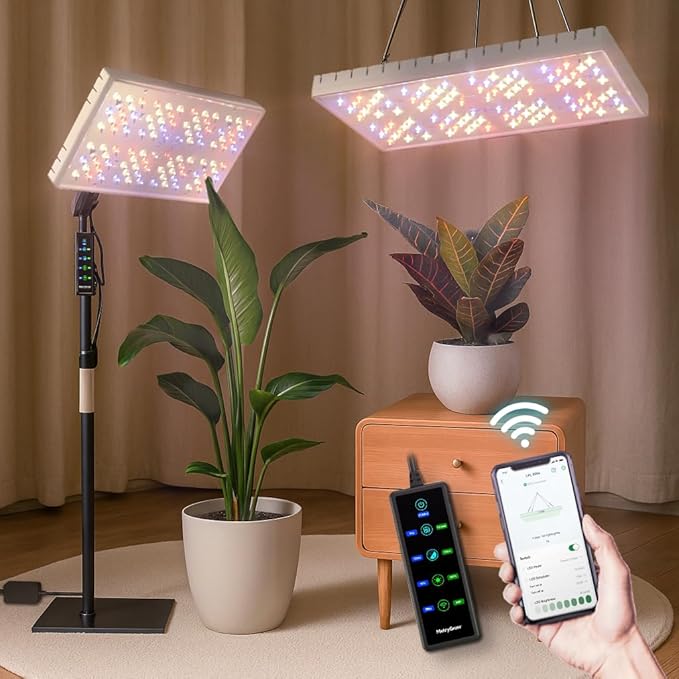
Set up a microgreens rotation system using stackable growing trays under LED grow lights. Start three trays on staggered 10-day cycles—when tray one is ready to harvest, tray two is mid-growth, tray three is freshly seeded. Sunflower shoots and pea shoots produce the highest yield-to-effort ratio. You'll harvest 2-3 cups of fresh greens weekly from a 2-square-foot footprint.

4

Create a fermentation station with three 1-gallon glass jars for rotating batches of sauerkraut, kimchi, and hot sauce. Keep a logbook tracking start dates and taste-test notes—fermentation is more art than science. The probiotics improve gut health, the process extends vegetable life by months, and the active batches become conversation pieces.

5

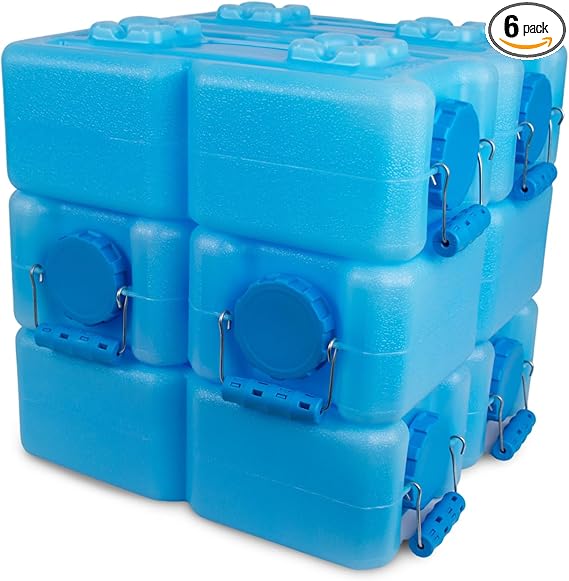
Install a 20-gallon water storage system in a dark closet or under a bed using stackable containers with spigots. Rotate water every 6 months by using it for plants, then refilling. Add one emergency-grade water purification system with ceramic filters as backup. This handles a week-long disruption for two people without panic.

6

Build a countertop sprouting station using wide-mouth mason jars and sprouting lids. Run three jars simultaneously with different seeds—mung beans for crunch, lentils for protein, alfalfa for sandwiches. Each jar needs 30 seconds of rinsing twice daily and produces a full jar of sprouts in 4-5 days. The yield-to-cost ratio beats any grocery produce.

7

Set up an oyster mushroom cultivation system in a dark closet using pre-inoculated grow bags. They fruit in 10-14 days with minimal care—just mist twice daily and maintain 60-70% humidity. One bag produces 1-2 pounds of mushrooms over multiple flushes. The spent substrate goes into your compost or outdoor plant beds.

8

Install a smart power strip system to monitor and reduce phantom energy drain. Plug your entertainment center, chargers, and kitchen appliances into monitored outlets. Track baseline usage for two weeks, then implement auto-shutoff schedules. Most households cut 15-20% off their electric bill by eliminating standby power waste—that's $20-40 monthly savings.

9

Create a seed library using a small filing system or labeled envelopes in a cool, dark drawer. Save seeds from grocery store peppers, tomatoes, and squash that grow well. Trade with neighbors or online communities to diversify varieties. Seeds are genetic wealth and cost nothing if you're already buying produce.

10

Establish a composting system appropriate for your space. Countertop electric composters process scraps in 24 hours but cost $300-400. Bokashi buckets ferment waste in two weeks using beneficial bacteria and cost $30-50. Worm bins (vermicomposting) produce the best soil but need maintenance. Choose based on your tolerance for hands-on involvement versus automation.

11

Document your systems with a maintenance calendar and yield tracking spreadsheet. Record what you harvest, when systems need attention, and what fails. After three months, you'll see clear patterns—which plants thrive in your conditions, which ferments you actually eat, where energy waste concentrates. Double down on what works, eliminate what doesn't.

12

Connect with local urban farming communities through social media groups or tool libraries. Trade surplus yields, share seed varieties, and troubleshoot problems with people running similar systems. Self-sufficiency is paradoxically more effective when you're networked with others doing the same thing.

Gear Up for Your Quest

Get everything you need to make this quest amazing.

Three-Tier Countertop Herb Garden with Auto-Watering

Essential
$65-85

Self-contained vertical growing system with built-in water reservoir and wicking system

Get This Item

Full-Spectrum LED Grow Light Bar

Essential
$45-70

24-inch linkable LED fixture with timer function, 6500K spectrum optimized for vegetative growth

Get This Item

Stackable BPA-Free Water Storage Containers with Spigots (20-gallon capacity)

Essential
$40-60

Four 5-gallon containers designed to stack securely with easy-pour spigots

Get This Item

Smart Power Strip with Individual Outlet Monitoring

Recommended
$35-50

6-8 outlet power strip with app-based energy tracking and scheduling for each outlet

Get This Item

Mushroom Growing Kit (Oyster variety, pre-inoculated)

Recommended
$25-35

Ready-to-fruit mushroom substrate block with detailed instructions

Get This Item

💙 Shopping through these links helps support IRL Sidequests at no extra cost to you. Thanks for making adventures possible!