IRL Sidequests
Complete Urban Sustainability & Eco-Living Hub - Urban Exploration quest for Intermediate level adventurers

Complete Urban Sustainability & Eco-Living Hub

Turn your city into a living sustainability textbook—one mapped site at a time.

About This Quest

Map your city's sustainable infrastructure, from composting stations to solar installations. Create a comprehensive eco-living resource guide through boots-on-ground urban exploration.

Most people know their city has recycling programs, but the real sustainability infrastructure runs deeper—community composters humming behind apartment buildings at 6 AM, rooftop solar arrays you'd never notice from street level, greywater systems processing hundreds of gallons daily in converted industrial spaces. This quest maps the working parts of urban eco-living that algorithms can't find. You'll physically locate and document 15-20 sustainability sites across your city: municipal composting facilities, tool libraries, repair cafes, community gardens with rainwater collection, buildings with visible green roofs, EV charging networks, zero-waste shops, urban farms, renewable energy installations, and water refill stations. Each site requires on-ground verification—opening hours, access requirements, capacity limits, actual condition versus online claims. The end result isn't just personal knowledge. You're building a functional resource hub: a shareable map with real-world intel that helps neighbors reduce waste, access repair resources, and plug into circular economy systems. The difference between someone composting their food scraps or tossing them comes down to knowing the drop-off site exists three blocks away, open Tuesdays and Saturdays until 2 PM.

Duration
6-8 hours over 2-3 weeks
Estimated Cost
$60+
Location
Outdoor
Season
Year-round
Family Friendly
All ages welcome

Step-by-Step Guide

1

Define your mapping zone—start with a 2-3 mile radius from home, covering neighborhoods you can reach by bike or transit. Print a physical street map or download offline mapping capability.

2

Research baseline locations: check city sustainability department listings, community garden registries, tool library networks, and zero-waste shop directories. Cross-reference with Google Maps and municipal open data portals. Create a spreadsheet with 25-30 potential sites.

3

Begin verification visits during different time windows. Municipal sites often operate weekday mornings only; community-run spaces may be evenings and weekends. Arrive with your documentation system ready.

4

At each site, record: exact address with entrance details ("behind loading dock, blue door"), operating hours, access requirements (membership, fees, ID needed), capacity limits ("composting: 5-gallon limit per visit"), current condition, contact method, and user experience notes ("line forms 20 minutes before opening on Saturdays").

5

Photograph exterior signage, operating hour postings, and key features—but respect privacy policies at community spaces. Some repair cafes and tool libraries prohibit interior photography.

6

Document the sustainability service specifics: What materials do they accept? What's refused? Are there seasonal changes? Does the solar installation feed back to the grid? Is the community garden accepting new plot applicants? These details matter more than generic descriptions.

7

Map infrastructure connections: bike lanes leading to sites, transit stops within 0.25 miles, parking availability, accessibility features. The rooftop garden might be amazing, but if there's no elevator and it's five flights up, that's critical information.

8

Visit 4-6 sites per session, grouped by geography. Sustainability infrastructure clusters—the composting drop-off is often near the community garden, which shares space with the tool library. Plot efficient routes.

9

Create your hub using free tools: Google My Maps for visual plotting, Notion or Airtable for detailed database, or a simple shared spreadsheet. Include filters for site type, accessibility, cost, and operating hours.

10

Test your hub with another person. Have them try to find and use three services based on your documentation. Where do they get confused? What information is missing? Revise based on actual use.

11

Add qualitative intelligence: Which sites have active communities versus sterile operations? Where do regulars share surplus garden produce? Which repair cafes have skilled fixers versus well-meaning amateurs? This texture separates useful guides from directory dumps.

12

Share strategically: neighborhood social media groups, local subreddit sustainability threads, community center bulletin boards, and sustainability-focused Discord servers. Position it as a living document and invite additions.

13

Plan quarterly updates. Sustainability infrastructure changes—gardens close for winter, new composting sites open, tool libraries change hours. Set calendar reminders to re-verify high-traffic locations every 90 days.

Gear Up for Your Quest

Get everything you need to make this quest amazing.

Rugged Smartphone Mount with External Battery

Essential
$35-50

Chest or backpack strap mount system with integrated 10,000mAh battery pack for extended documentation sessions

Get This Item

Offline Mapping App with Custom Layer Support

Essential
$0

Apps like Organic Maps or OsmAnd with custom POI layer capability and offline map downloads

Get This Item

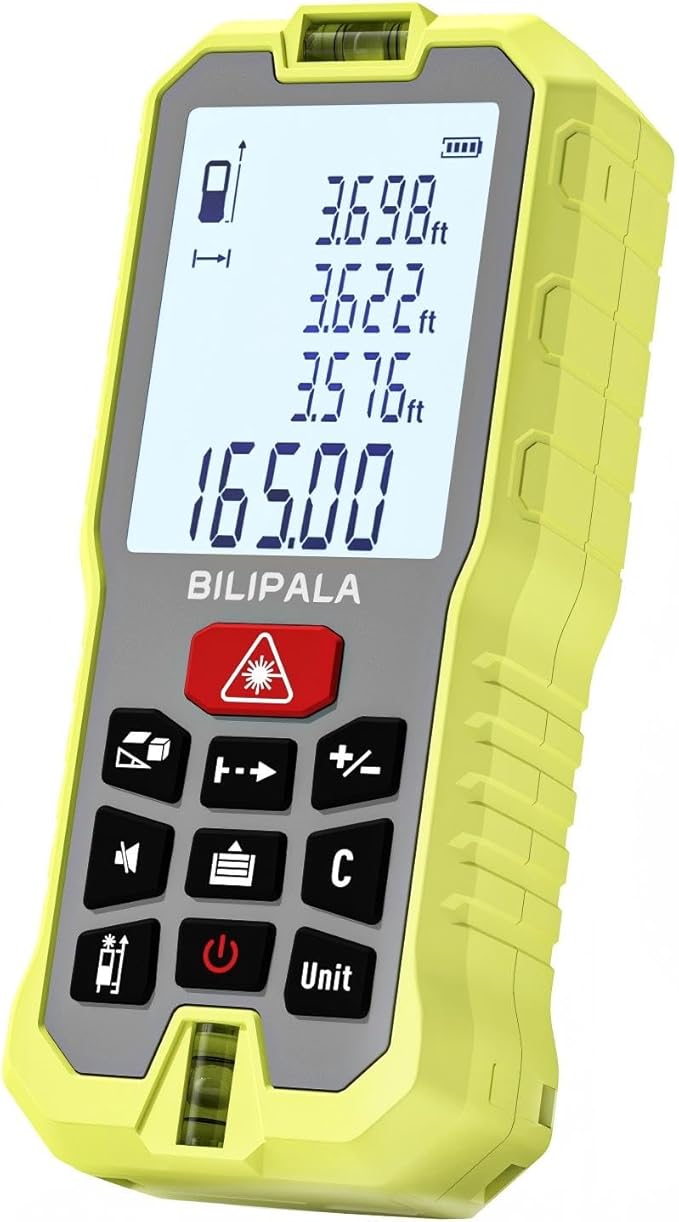
Digital Measuring Wheel or Laser Distance Measurer

Recommended
$40-80

Compact laser distance tool accurate to 100+ feet for measuring site dimensions and access routes

Get This Item

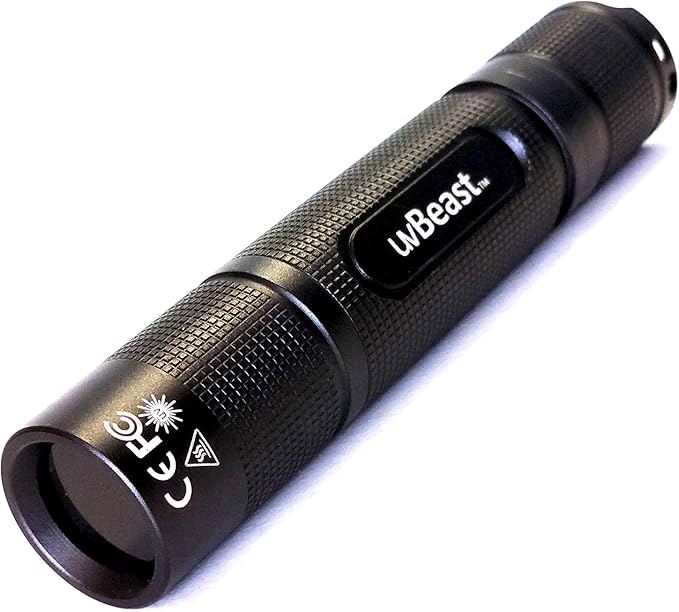
UV Flashlight Keychain

Optional
$12-18

365nm UV LED keychain light for verifying material authenticity and detecting contamination

Get This Item

💙 Shopping through these links helps support IRL Sidequests at no extra cost to you. Thanks for making adventures possible!