
Urban Survival & Practical Skills Workshop
Your city becomes your classroom when the grid goes down.
About This Quest
Master practical urban survival skills including navigation without GPS, emergency water sourcing, and first aid fundamentals in your own city.
Most people panic when their phone dies in an unfamiliar neighborhood. This quest trains you to handle real urban emergencies using skills people relied on before smartphones existed. You'll practice map reading with actual paper, identify safe water sources in your city, start fires using urban materials, and learn basic first aid that works when help is 20 minutes away. The skills you'll practice aren't theoretical survival fantasy—they're practical responses to blackouts, natural disasters, getting separated from your group, or simply being caught unprepared. You'll walk your own streets differently after spending an afternoon finding north without a compass, purifying questionable water, and building emergency shelter from materials in any alley. This isn't wilderness survival translated to cities. Urban environments have unique resources (storm drains, building materials, abundant metal) and unique dangers (crowds, contamination, infrastructure failure). You'll learn to read your environment like the maintenance workers and street vendors who actually know how cities function beneath the surface.
Why This Quest Matters
The real payoff hits during your next blackout or when you're genuinely lost—you won't freeze up because your hands remember these skills. You'll walk your neighborhood with maintenance-worker eyes, seeing the hidden water valves and shelter spots that tourists never notice. These aren't apocalypse fantasies; they're the competencies that let you stay calm and useful when infrastructure fails for a day or two.
What You'll Experience
- Navigate confidently using paper maps and landmark observation
- Identify urban water sources and shelter locations in your actual neighborhood
- Start fires with three different methods and understand backup redundancy
- Stop severe bleeding using pressure points when ambulances are delayed
- Build a functional 24-hour emergency kit for under $25
What You'll Need
Top gear to make this quest great.
Pull it off
Waterproof Map Case with Lanyard
Allows hands-free map access during navigation practice and keeps your primary tool protected in wet conditions—paper maps are useless when soaked
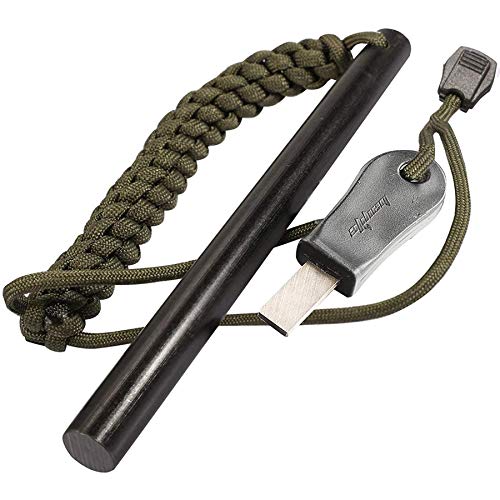
Teaches reliable fire starting without consumable fuel—matches run out, lighters fail in cold/wet conditions, but ferro rods work in any weather
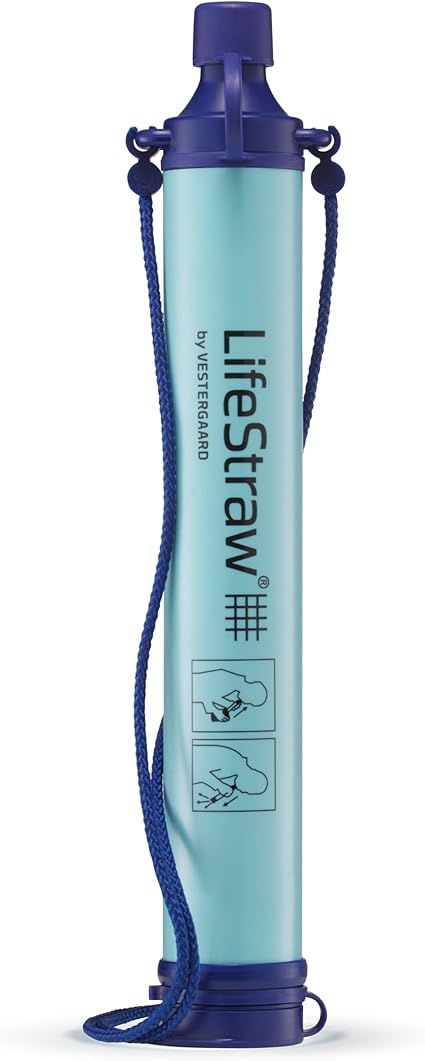
Enables you to actually test questionable urban water sources safely—transforms theory into practical experience without the dysentery
As an Amazon Associate I earn from qualifying purchases. Prices may change.
Step-by-Step Guide
Navigate two miles without GPS
Print a physical map of your neighborhood and turn off location services. Navigate a 2-mile route using only the map, street signs, and landmarks. Count how many times you instinctively reach for your phone.
💡 Pro Tips:
- • Orient your map to match the direction you're facing—north doesn't always have to point up
- • Look for permanent landmarks (churches, distinctive buildings) rather than businesses that might close
Map emergency water sources
Identify three potential water sources along your route: public fountains, building exterior taps, or natural sources. Research which are potable and locate the nearest hardware store selling purification supplies. This knowledge matters when taps run dry during disasters.
Master three urban fire methods
In a safe concrete area or metal container, start fires three ways: standard lighter, flint striker with cardboard tinder, and friction drill from scrap wood. Time each method. The lighter will win, but you need backups.
💡 Pro Tips:
- • Cardboard from boxes makes excellent tinder—the corrugated layers catch sparks well
- • For friction fire, use a shoelace as your bow cord and find the driest wood possible
Practice pressure point bleeding control
Locate the brachial, femoral, and carotid pressure points on your own body. Practice the compression technique that stops severe bleeding. These three points control blood flow to limbs and head—essential when help is 20 minutes out.
Build a $25 emergency kit
Using only dollar store and hardware store items, assemble a one-day kit that fits in a small backpack: water purification, first aid basics, fire starting, and calorie-dense food. Carry it for your entire route to test real-world portability. Create an emergency signal device from reflective materials (aluminum cans, mirrors, glass) and practice directing sunlight to a target 100+ feet away.
💡 Pro Tips:
- • Water purification tablets weigh almost nothing—prioritize them over bottled water
- • Peanut butter packets and trail mix deliver maximum calories per ounce
Scout shelter and practice STOP
Identify emergency shelter locations along your route: building overhangs, underground parking, bridges, or alcoves with 24/7 access. At three different points, practice the STOP protocol (Stop, Think, Observe, Plan)—spend 5 minutes assessing exits, resources, threats, and opportunities. This mental drill keeps you functional when panic wants to take over.
Gear Up for Your Quest
The gear that makes this quest work.
Pull it off

Waterproof Map Case with Lanyard
Allows hands-free map access during navigation practice and keeps your primary tool protected in wet conditions—paper maps are useless when soaked
+ complete the kit — 4 more

Teaches reliable fire starting without consumable fuel—matches run out, lighters fail in cold/wet conditions, but ferro rods work in any weather
Magnesium alloy rod that creates 3000°F sparks when scraped, works when wet, lasts for 12,000+ strikes
Get on Amazon · $16.99 — Ferrocerium Rod Fire Starterdetails & deals →
LifeStraw Personal Water Filter
EssentialEnables you to actually test questionable urban water sources safely—transforms theory into practical experience without the dysentery
Hollow-fiber membrane filter that removes 99.999% of bacteria and parasites from up to 1,000 gallons of water
Get on Amazon · $14.99 — LifeStraw Personal Water Filterdetails & deals →
Israeli Bandage Trauma Dressing
RecommendedProvides hands-on practice with professional-grade trauma supplies—learning pressure point theory is different from actually stopping blood flow
Sterile pressure bandage with built-in pressure bar designed for severe bleeding control by Israeli Defense Forces
Get on Amazon · $15.98 — Israeli Bandage Trauma Dressingdetails & deals →
Signal Mirror with Aiming Hole
RecommendedMakes signal practice actually effective—random reflection is useless, but an aiming hole lets you hit specific targets consistently at 500+ feet
Military-grade glass mirror with central aiming aperture for precise light reflection over long distances
Get on Amazon · $8.99 — Signal Mirror with Aiming Holedetails & deals →RELATED GEAR GUIDE
Urbex Gear List 2026: The 7 Essentials We Actually Carry
Field-tested picks · Urban Exploration
As an Amazon Associate, IRL Sidequests earns from qualifying purchases at no extra cost to you.
Prices and availability are subject to change. The price shown at checkout on Amazon at the time of purchase will apply.
Editor's Picks
Hand-selected quests our team thinks you'll love

Urban Food & Beverage Culture Quest
The best food in your city isn't on Yelp's front page—it's where rent is cheap and menus aren't in English.

Historical Walking Tour: Read Your City's Hidden Stories
Every sidewalk crack has a story—you just need to know where to look.

Architecture Scavenger Hunt: Decode Your City's Hidden Design Language
That building you pass every day? It's been screaming details at you that you've never noticed.