Move through the city like you own it—unseen, unheard, and completely aware.
Master urban stealth movement, tactical navigation, and city exploration techniques through practical street-level training exercises.
The city reveals itself differently when you learn to move through it with intention. This training hub teaches you practical urban movement skills—how to navigate tight spaces, read architectural layouts instantly, move silently on different surfaces, and blend into crowds or shadows. You'll practice in real environments: alleyways where your footsteps echo differently on concrete versus metal grates, parking structures where sight lines and exit routes become second nature, and downtown corridors where you learn to read human traffic patterns like water flowing around obstacles. This isn't parkour or free-running. It's about control, awareness, and reading urban environments at a tactical level. You'll train your peripheral vision to track multiple movement vectors, learn which materials make noise under pressure (loose gravel, hollow metal stairs, wet leaves on pavement), and develop the spatial memory to navigate complex buildings or districts without constantly checking your phone. The skills apply whether you're a photographer hunting unique angles, a security professional, or someone who wants to move through cities with complete confidence. Each session builds specific competencies: silent foot placement on varied surfaces, using environmental sound to mask movement, reading building access patterns, understanding security camera blind spots (for legal photography), and developing the situational awareness that makes you feel invisible in plain sight. You'll finish with muscle memory for efficient movement and a mental map of urban architecture that most people never develop.
Top gear to make this quest great.

Thick-soled sneakers prevent you from feeling surface textures and make silent movement nearly impossible. Minimalist soles give you instant feedback on what's underfoot, allowing precise foot placement. The difference between stepping on a twig versus soil is life or death for stealth—you need that tactile connection.

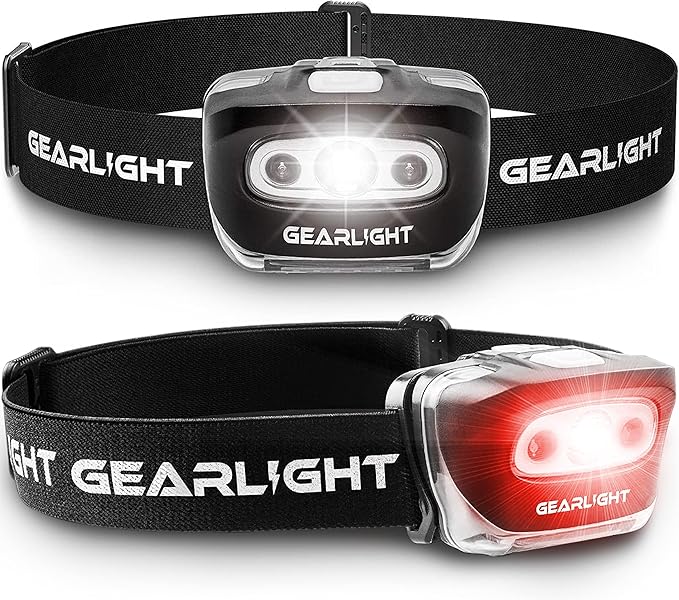
Red light preserves your night vision while illuminating obstacles in dark spaces without announcing your presence like white light does. Essential for practicing navigation in low-light environments like stairwells, alleys, or parking structures after sunset. Hands-free operation lets you maintain balance and use walls for guidance.

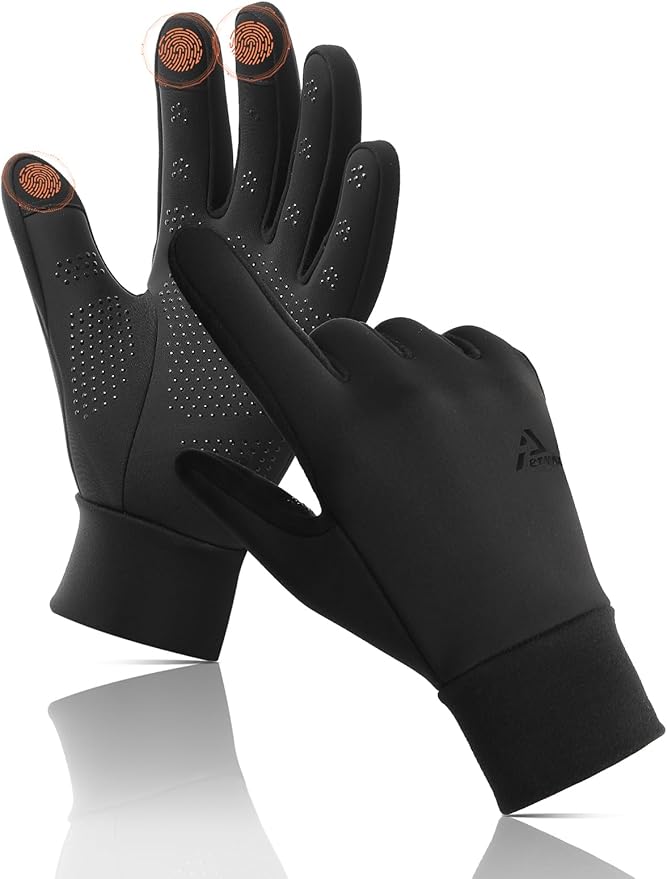
Protect your hands when trailing walls, climbing external stairs, or gripping rough surfaces without sacrificing dexterity. The palm grip prevents slipping on metal railings or smooth concrete. Cuts and scrapes end training sessions—these keep you operational while maintaining the tactile feedback you need.
As an Amazon Associate I earn from qualifying purchases. Prices may change.
Start in a multi-level parking structure during off-peak hours. Walk each level using different movement patterns: heel-toe for silence, ball-of-foot for speed, lateral slides for tight spaces. Notice how your footsteps sound different on painted concrete versus oil-stained areas versus expansion joints.
Practice the 'ghost walk' on various surfaces: place your foot down smoothly from outside edge to inside, rolling your weight gradually. Test this on gravel, metal grates, wooden pallets, and wet pavement. Record which surfaces betray you and which allow silent movement.
Find an alley or service corridor with multiple textures underfoot. Close your eyes and walk it slowly, identifying surfaces by feel and sound alone. Then walk it at normal speed, choosing your path to minimize noise without looking down.
Scout a downtown block during lunch rush. Stand at a corner and track pedestrian flow patterns for 10 minutes. Identify natural blindspots where people's attention gaps, predict walking paths, and note where crowds naturally thin or compress.
Enter a public building (library, mall, transit hub) and map three different exit routes without using the main entrance. Time yourself navigating from the center to each exit, noting chokepoints, security desk sightlines, and access restrictions.
Practice 'urban camouflage' in a busy plaza: match your walking pace to the crowd's rhythm, adopt neutral body language, and move through spaces without triggering anyone's social radar. You should feel like background scenery.
Test your peripheral vision range: hold your arms out to sides while looking straight ahead. Wiggle fingers and note when you detect movement. Train this by walking through crowds while maintaining forward gaze but tracking all nearby movement in peripheral.
Find a fire escape or external stairwell. Ascend and descend using only your leg muscles—no handrail noise. Practice weight distribution that eliminates creaking metal. This trains balance and teaches you how structures respond to pressure.
Navigate a familiar building in near-darkness (late evening stairwells work well). Move purely by spatial memory and touch, trailing your hand on walls without making scraping sounds. This builds proprioceptive awareness.
Combine skills: pick a point 6 blocks away in a dense neighborhood. Navigate there using only side streets and alleys, crossing no major roads, maintaining silence on varied surfaces, and avoiding direct interaction with anyone. Time yourself and refine your route over multiple attempts.
Get everything you need to make this quest amazing.

Thick-soled sneakers prevent you from feeling surface textures and make silent movement nearly impossible. Minimalist soles give you instant feedback on what's underfoot, allowing precise foot placement. The difference between stepping on a twig versus soil is life or death for stealth—you need that tactile connection.
Zero-drop shoes with thin, flexible soles (like Merrell Vapor Glove or Vivobarefoot) that provide ground feel without cushioning
Get on Amazon · $41.79
Red light preserves your night vision while illuminating obstacles in dark spaces without announcing your presence like white light does. Essential for practicing navigation in low-light environments like stairwells, alleys, or parking structures after sunset. Hands-free operation lets you maintain balance and use walls for guidance.
Compact headlamp with red LED setting and adjustable brightness (Petzl Actik Core or similar)
Get on Amazon · $14.99Pre-download detailed maps of your training area so you can navigate without cell signal in basements, parking structures, or dead zones. The satellite view reveals alleyways, building gaps, and access routes that don't show on standard maps. Track your routes to analyze efficiency and identify patterns in your movement.
Offline GPS navigation app with satellite view and building footprints

Protect your hands when trailing walls, climbing external stairs, or gripping rough surfaces without sacrificing dexterity. The palm grip prevents slipping on metal railings or smooth concrete. Cuts and scrapes end training sessions—these keep you operational while maintaining the tactile feedback you need.
Form-fitting gloves with grippy palms and touch-screen compatible fingertips (Mechanix Original or 5.11 Screen Ops)
Get on Amazon · $16.99Train yourself to understand sound thresholds by measuring ambient noise levels in different environments. You'll learn exactly how much sound you can make before standing out—a 3dB increase in footstep noise might be invisible in a 70dB street but obvious in a 40dB corridor. Quantifying stealth makes improvement measurable.
Smartphone app that measures ambient noise levels in real-time
As an Amazon Associate, IRL Sidequests earns from qualifying purchases at no extra cost to you.
Prices and availability are subject to change. The price shown at checkout on Amazon at the time of purchase will apply.
Hand-selected quests our team thinks you'll love

Every sidewalk crack has a story—you just need to know where to look.

That building you pass every day? It's been screaming details at you that you've never noticed.

Your city has layers most people never see—here's how to peel them back.