
Urban Soundscape Mapping: Record Your City's Hidden Audio Identity
Your city has a voice most people never hear—time to record it.
About This Quest
Map your city's sonic identity by recording ambient sounds, creating an audio documentary of forgotten urban rhythms from subway rumbles to neighborhood echoes.
Every city blocks out its own soundtrack, but most people walk through it deaf. The diesel groan of delivery trucks at 6 AM. Rain hitting different surfaces—glass, concrete, metal awnings—each with its own pitch. The way voices echo differently in a narrow alley versus an open plaza. Sound mapping captures these audio fingerprints before they disappear. This quest turns you into an urban field recordist. You'll identify sonic landmarks, capture clean recordings of ambient environments, and document how sound shapes neighborhood identity. The construction site jackhammering at noon tells a different story than the church bells at sunrise. Industrial zones hum with machinery. Financial districts go silent after 7 PM. These patterns reveal how cities actually function. The best recordings happen when most people aren't listening. Early morning captures the city waking up—delivery gates rattling, coffee shop grinders starting, street sweepers making their rounds. Late evening brings different textures—ventilation systems, distant traffic, the specific echo of empty streets. You're not just collecting noise; you're documenting the rhythms that define urban life before another building goes up or another business closes.
Why This Quest Matters
You're documenting the rhythms that define urban life before another building goes up or another business closes. These recordings capture how cities actually function—industrial zones humming with machinery, financial districts going silent after 7 PM, construction sites jackhammering at noon. You'll walk away hearing layers most people stay deaf to.
What You'll Experience
- How to position yourself and equipment for clean field recordings
- The difference between surface noise and actual sound patterns that define a space
- How to identify sonic landmarks and audio fingerprints unique to your city
- Why the same location sounds completely different at different times
- How to document environmental context that shapes what you hear
What You'll Need
Top gear to make this quest great.
Pull it off
External Lavalier Microphone (3.5mm jack)
Built-in phone mics capture too much handling noise and miss subtle ambient layers. An external mic isolates environmental sound from your movements and picks up frequencies phone mics compress out. The windscreen is critical—even light breeze destroys outdoor recordings without it.
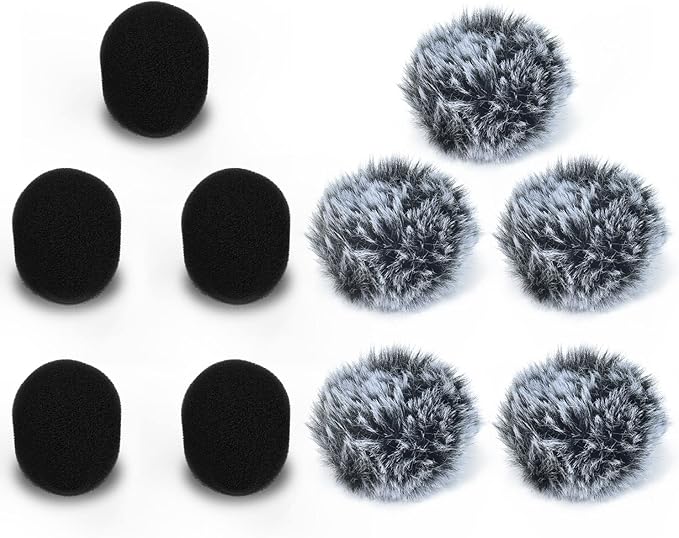
Standard foam windscreens fail above 8-10 mph wind. The deadcat muff handles gusty urban wind tunnels between buildings without that rumbling whoosh that ruins otherwise clean recordings. Makes the difference between usable and garbage audio in outdoor environments.
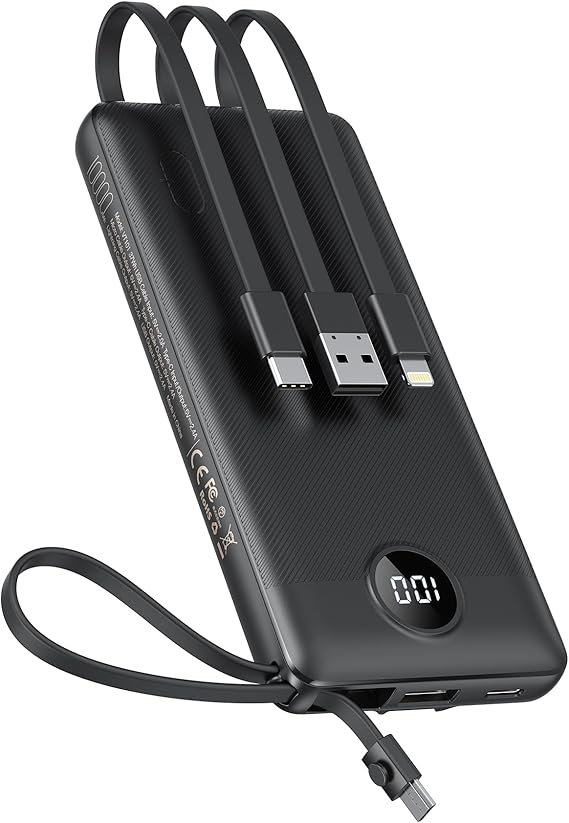
Continuous recording with screen-on monitoring drains phone batteries fast. You'll kill 60-70% battery in a 3-hour session. Running out of power when you finally find that perfect sonic moment wastes all the setup work. External power means you can record as long as the environment stays interesting.
As an Amazon Associate I earn from qualifying purchases. Prices may change.
Step-by-Step Guide
Scout three contrasting locations
Pick one commercial zone (market street, shopping district), one industrial area (train yard, loading dock), and one residential space (backstreet, courtyard). Visit each at different times to hear how the soundscape shifts—delivery trucks at dawn versus church bells at dusk tell completely different stories.
💡 Pro Tips:
- • Early morning captures the city waking up: delivery gates, coffee grinders, street sweepers
- • Late evening brings different textures: empty street echoes, ventilation hums, distant traffic
Position yourself for clean recordings
Set up upwind from your target sound so wind carries unwanted noise away. Stand still for two minutes before hitting record—you'll hear layers you missed at first, the way rain hits glass versus concrete, how voices echo differently in narrow alleys versus open plazas.
Record in 3-minute minimum segments
The first minute captures obvious sounds. By minute two, you hear background patterns. Minute three reveals the rhythm. Name each file with location and exact time—"LoadingDock_6:15AM" becomes part of your audio map.
💡 Pro Tips:
- • Capture both wide ambience and isolated details: general street atmosphere, then specific elements like a squeaky gate or water draining through a grate
Document the visual context
Note temperature, weather, which businesses are open, how many people are around while recording. Sound doesn't exist in a vacuum—the same train sounds different when it's raining, the same plaza feels different when empty versus crowded.
Return to one spot three times
Record the same location at morning, midday, and evening. Listen for what changes (foot traffic, business noise) and what stays constant (ventilation systems, distant highway). The consistent elements define that space's audio identity.
Map your soundscape findings
Mark your recording spots on a simple map. Note the dominant sound at each location and the approximate decibel feel: quiet conversation level, need-to-raise-voice level, or actively uncomfortable level. This becomes your city's audio fingerprint.
Gear Up for Your Quest
The gear that makes this quest work.
Pull it off

External Lavalier Microphone (3.5mm jack)
Built-in phone mics capture too much handling noise and miss subtle ambient layers. An external mic isolates environmental sound from your movements and picks up frequencies phone mics compress out. The windscreen is critical—even light breeze destroys outdoor recordings without it.
+ complete the kit — 3 more

Voice Recorder App with Waveform Display (Free: RecForge II, Audio Evolution)
EssentialPopularPhone default apps auto-compress audio and apply filters you can't disable. Proper recording apps show visual waveforms so you can monitor if you're clipping (too loud) or recording too quietly. The visual feedback teaches you to set proper levels without checking playback constantly.
Professional audio recording app with real-time waveform visualization, gain control, and multiple format export options

Deadcat Wind Muff (for microphone)
RecommendedStandard foam windscreens fail above 8-10 mph wind. The deadcat muff handles gusty urban wind tunnels between buildings without that rumbling whoosh that ruins otherwise clean recordings. Makes the difference between usable and garbage audio in outdoor environments.
Furry windscreen cover that fits over lavalier microphone foam, designed for outdoor field recording
Get on Amazon · $9.49 — Deadcat Wind Muff (for microphone)details & deals →
Portable Battery Pack (10,000mAh minimum)
RecommendedContinuous recording with screen-on monitoring drains phone batteries fast. You'll kill 60-70% battery in a 3-hour session. Running out of power when you finally find that perfect sonic moment wastes all the setup work. External power means you can record as long as the environment stays interesting.
Compact external battery with USB-A output and LED charge indicator
Get on Amazon · $22.65 — Portable Battery Pack (10,000mAh minimum)details & deals →RELATED GEAR GUIDE
Urbex Gear List 2026: The 7 Essentials We Actually Carry
Field-tested picks · Urban Exploration
As an Amazon Associate, IRL Sidequests earns from qualifying purchases at no extra cost to you.
Prices and availability are subject to change. The price shown at checkout on Amazon at the time of purchase will apply.
Editor's Picks
Hand-selected quests our team thinks you'll love

Urban Food & Beverage Culture Quest
The best food in your city isn't on Yelp's front page—it's where rent is cheap and menus aren't in English.

Historical Walking Tour: Read Your City's Hidden Stories
Every sidewalk crack has a story—you just need to know where to look.

Architecture Scavenger Hunt: Decode Your City's Hidden Design Language
That building you pass every day? It's been screaming details at you that you've never noticed.