
Urban Skills & Craftsmanship
Your city is a workshop—time to build something with your hands.
About This Quest
Master practical urban craftsmanship through hands-on making. Build, repair, and create functional items using traditional and modern techniques in city environments.
Urban craftsmanship isn't about pristine workshops and expensive tools—it's about making things work with what you've got. You'll learn to cut, shape, join, and finish materials using techniques that have built cities for centuries. The smell of sawdust in a community makerspace, the heat from a soldering iron, the satisfying snap of leather being punched—these are the sensory markers of creating something tangible. Start with repair before moving to creation. Fix a broken chair leg, restore a thrift store find, or rebuild something you'd normally throw away. Urban craftsmanship teaches material literacy—understanding how wood splits, how metal bends, how adhesives cure in different temperatures. You'll develop the eye to see potential in discarded materials and the confidence to trust your hands. This quest connects you to your city's maker community—the tool libraries, repair cafes, shared workshops, and experienced craftspeople willing to teach. You're not collecting Instagram-worthy projects; you're building a practical skillset that makes you more self-reliant and less dependent on buying new. Every successful joint you cut, every smooth finish you sand, every functional object you create reinforces a simple truth: you can make things.
Why This Quest Matters
Every object you repair or build proves you can solve problems with your hands instead of your wallet. You'll walk through your city differently, seeing potential in discarded materials and understanding how the built environment actually holds together. The confidence from executing a clean joint or restoring something functional creates a self-reliance that makes you less dependent on buying new.
What You'll Experience
- Material literacy—how wood splits, metal bends, and adhesives cure in different conditions
- Core joinery and fastening techniques that have built cities for centuries
- How to assess broken objects and plan repairs instead of replacement
- Where to find tools, materials, and experienced makers in your urban area
- The muscle memory and confidence to trust your hands with unfamiliar materials
What You'll Need
Top gear to make this quest great.
Pull it off
Japanese Pull Saw or Dovetail Saw
Enables precise joinery work that power tools can't match. The thin kerf reduces material waste and the ergonomic design minimizes fatigue during detail work. Essential for learning proper sawing technique.
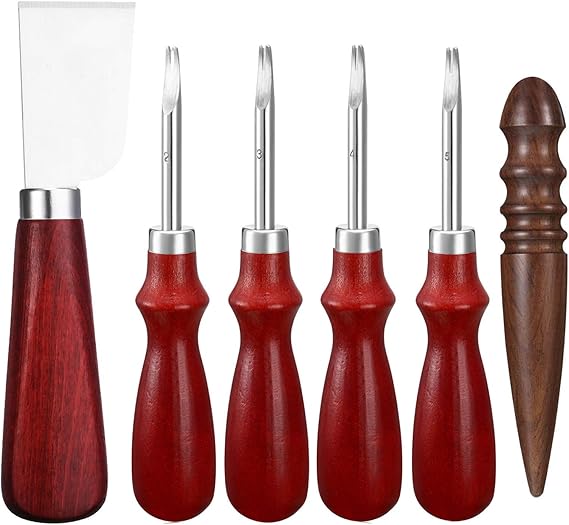
Transforms amateur-looking leather work into professional-quality finishes. The burnishing process seals edges, prevents fraying, and adds durability. Teaches the patience required for proper finishing work.
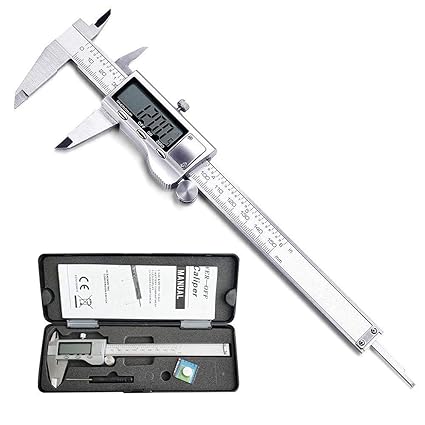
Elevates your work from approximate to precise. Critical for replicating parts, ensuring proper fits, and developing an eye for tolerances. The depth gauge feature is invaluable for routing and drilling consistency.
As an Amazon Associate I earn from qualifying purchases. Prices may change.
Step-by-Step Guide
Find your neighborhood workshop network
Map out community makerspaces, tool libraries, and repair cafes within transit distance. Visit during a beginner session to learn their safety protocols, see what equipment they stock, and understand their access hours. Choose one spot with the material focus you want to explore—wood, metal, leather, or textiles.
💡 Pro Tips:
- • Ask about open workshop hours where experienced makers are present, not just equipment access time
- • Many tool libraries let you check out equipment for home use if makerspace hours don't fit your schedule
Repair something broken, not bought
Pull out that wobbly chair, torn bag, or cracked wooden object you've been meaning to fix. Assess what it actually needs—a replacement part, reinforcement joint, proper adhesive, or complete rebuild. This first project teaches you to read materials under stress before you attempt anything from scratch.
💡 Pro Tips:
- • Choose something you'd throw away if this fails—zero-pressure learning
- • Disassemble fully before starting repairs so you understand how it was originally constructed
Master fundamental joints on scrap
Learn the core fastening methods for your material on throwaway pieces first. For wood: mortise and tenon, lap joints, pocket screws. For metal: riveting and basic brazing. For leather: saddle stitching and rivet setting. Practice until your hands remember the motions, then apply them to your repair project with proper technique—clamp adequately, let adhesives cure completely, sand through progressive grits.
💡 Pro Tips:
- • Measure twice, cut once isn't a cliché—it's expensive when you waste your only piece of material
Create one functional object from scratch
Design something small and useful: a serving board, wall shelf, leather card holder, or metal bottle opener. Sketch it with actual dimensions, calculate your material needs, and plan every cut before touching tools. Function trumps aesthetics—make something that works reliably before worrying about how it looks.
💡 Pro Tips:
- • Choose a project with only 3-5 pieces total for your first creation
- • Wood species react differently—ask makerspace veterans which ones are forgiving for beginners
Learn through informal apprenticeship
Work during busy open hours, not empty time slots. Watch experienced makers handle tricky cuts, ask specific questions about technique problems you're facing, and offer to assist with their projects. Build a personal reference system—photograph successful joints, note which drill bits work for which materials, record mistakes that taught you something real.
Complete three projects, then branch out
Finish at least three objects in your chosen discipline before exploring a second material. You're building muscle memory and material intuition, not collecting hobbies. Source materials sustainably as you go—salvaged wood from construction sites (with permission), metal offcuts from fabrication shops, leather scraps from upholstery suppliers.
💡 Pro Tips:
- • Urban craftsmanship thrives on rescued materials—check dumpsters outside cabinet shops and metal fabricators
Gear Up for Your Quest
The gear that makes this quest work.
Pull it off

Japanese Pull Saw or Dovetail Saw
Enables precise joinery work that power tools can't match. The thin kerf reduces material waste and the ergonomic design minimizes fatigue during detail work. Essential for learning proper sawing technique.
+ complete the kit — 4 more

Makerspace Membership or Day Pass
EssentialPopularProvides essential equipment access without the cost of building a personal workshop. Most include instruction, safety training, and material storage. Choose spaces with active communities for peer learning.
Access to shared workshop space with professional-grade tools, safety equipment, and experienced community members

Edge Burnisher or Bone Folder Set
RecommendedTransforms amateur-looking leather work into professional-quality finishes. The burnishing process seals edges, prevents fraying, and adds durability. Teaches the patience required for proper finishing work.
Specialized tools for finishing leather and fabric edges through compression and friction to create smooth, polished surfaces
Get on Amazon · $16.99 — Edge Burnisher or Bone Folder Setdetails & deals →
Digital Caliper with Depth Gauge
RecommendedElevates your work from approximate to precise. Critical for replicating parts, ensuring proper fits, and developing an eye for tolerances. The depth gauge feature is invaluable for routing and drilling consistency.
Precision measuring tool accurate to 0.01mm, with digital readout and capability to measure inside, outside, and depth dimensions
Get on Amazon · $26.99 — Digital Caliper with Depth Gaugedetails & deals →
Keeps frequently-used hand tools within reach, reducing workflow interruption. Protects clothing from adhesives, stains, and sharp edges. Quality aprons develop character over time and last for years.
Heavy-duty canvas or leather apron with multiple pockets, reinforced stitching, and adjustable straps for comfortable wear during extended work sessions
Get on Amazon · $3.79 — Craftsman's Apron with Tool Pocketsdetails & deals →RELATED GEAR GUIDE
Fermentation & Canning Kit: 8 Beginner Picks
Field-tested picks · Creative Arts
As an Amazon Associate, IRL Sidequests earns from qualifying purchases at no extra cost to you.
Prices and availability are subject to change. The price shown at checkout on Amazon at the time of purchase will apply.
Editor's Picks
Hand-selected quests our team thinks you'll love

Dawn Patrol: Your First Bird Watching Adventure
Wake up with the birds and see your neighborhood through new eyes.

Creative Skills Quest Hub: Learn By Doing
The best way to learn creative skills? Make bad art until it gets good.

Hand-Built Ceramic Bowl Workshop
Your hands built the first bowls 20,000 years ago. They still can.