
Urban Quest Design & Creation Hub
Turn your city into a game board—design quests that make strangers into explorers.
About This Quest
Design and test location-based quests that turn city streets into interactive playgrounds. Learn quest architecture, narrative design, and field-testing techniques used by experience designers.
Most city guides tell you where to go. Quest design teaches you how to create the journey itself. You're building a three-dimensional narrative that uses physical space as game mechanics—a fire escape becomes a puzzle checkpoint, a specific bench transforms into a story trigger, a public sculpture serves as the final boss arena. This isn't about making walking tours. You're architecting choice-driven experiences where participants make decisions that alter their path through real streets. The work happens in layers. First pass: walk your neighborhood with fresh eyes, marking spots that trigger curiosity—the alley with surprisingly good acoustics, the intersection where five architectural styles collide, the bodega cat that rules its block. Second pass: connect these points with narrative thread, testing different routes for pacing and reveal timing. Third pass: field-test with strangers, watching where they pause, where they get confused, where they pull out their phones to photograph something you didn't anticipate. You'll spend more time revising than writing. Successful quest design borrows from game development, urban planning, and theater direction. You're choreographing movement through space while accounting for variables you can't control—weather, crowds, construction, that one food cart that's only there on Wednesdays. The best quests feel inevitable in hindsight but surprising in the moment, like discovering your own city has hidden levels you've been walking past for years.
Why This Quest Matters
You'll discover your city has hidden levels you've walked past for years. The real reward isn't the quests you design—it's learning to see urban space as malleable narrative material, where every alley and intersection becomes a potential game mechanic waiting for the right story to activate it.
What You'll Experience
- How to read urban space as game mechanics—architecture becomes puzzles, sightlines become narrative reveals
- Precision in spatial instruction writing that accounts for GPS drift and visual noise
- Field-testing methodology that reveals what participants actually experience versus what they report
- How to choreograph movement through uncontrolled variables—weather, crowds, that Wednesday-only food cart
- The difference between making walking tours and architecting choice-driven urban experiences
What You'll Need
Top gear to make this quest great.
Pull it off
Wide-angle lens attachment for smartphone
Captures full building facades and street contexts in tight urban spaces where you can't step back far enough. Essential for documenting waypoints that participants will need to recognize from unusual angles or distances.
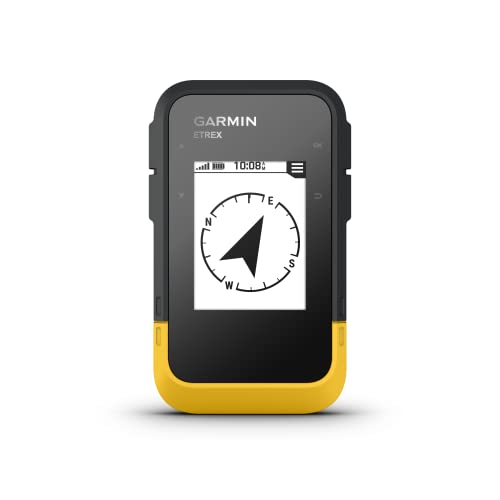
Smartphone GPS drifts by 10-30 feet in urban canyons between tall buildings. A dedicated GPS maintains accuracy for mapping precise routes and identifying optimal participant pathways. The tracklog shows where you naturally wandered versus your planned route—critical data for revisions.
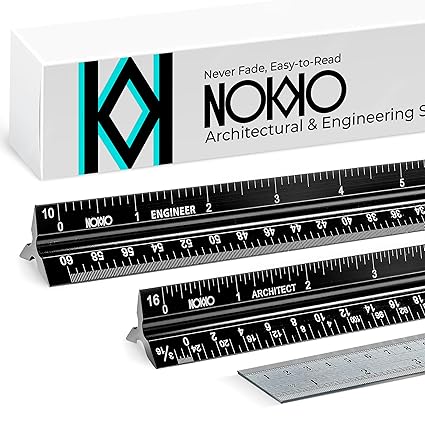
Helps you accurately describe architectural features participants need to identify. 'Art Deco versus Art Nouveau' stops being guesswork when you can reference proportions and decorative patterns systematically. The photo card provides visual examples for quick field identification.
As an Amazon Associate I earn from qualifying purchases. Prices may change.
Step-by-Step Guide
Scout and mark your waypoints
Walk a 0.5-1 mile radius three times at different hours. Mark 8-12 locations with distinctive features—architectural details, public art, unusual sightlines, acoustic properties. Photograph each from the angle participants will approach. The bodega cat's block counts if it triggers curiosity.
💡 Pro Tips:
- • Different times of day reveal different waypoints—morning light hits buildings differently, evening crowds change acoustic properties
- • Mark spots that make you pause, not spots that seem 'important'
Choose structure and build narrative spine
Pick your quest structure: linear (A→B→C) for narrative-heavy designs, branching for exploration, hub-and-spoke for puzzles. Write a one-sentence premise, then reverse-engineer what must happen at each waypoint to support it. The fire escape becomes a puzzle checkpoint, the specific bench becomes a story trigger.
💡 Pro Tips:
- • Match structure to your waypoints' geographic distribution—forcing a branching narrative onto a straight line of locations creates awkward backtracking
Design environment-based challenges
Create waypoint challenges that use physical space: count gargoyles visible from this corner, find the building with mismatched window styles, stand where three architectural decades collide. Each challenge should take 3-5 minutes and turn the environment into game mechanics.
💡 Pro Tips:
- • Test challenges yourself first—what looks obvious on paper often disappears in urban visual noise
Map transitions and write precise directions
Document the space between waypoints—shortcuts, photo opportunities, confusion points. Write navigation instructions with precision: 'Turn left at the corner with the blue awning and metal bicycle rack,' never 'Turn left at the coffee shop.' Include flexibility checkpoints every 3-4 waypoints with bathrooms, water refills, and bail-out options.
💡 Pro Tips:
- • Test directions by reading them aloud without looking up—assume GPS is slightly off
- • Mark anything remarkable participants will walk past—wasted opportunities kill engagement
Field-test with strangers
Run version 1.0 with someone who knows the area and someone who doesn't. Walk ten feet behind them without helping. Note where they hesitate, backtrack, or search for missing context. Revise based on observed behavior—fix friction points even when testers say 'That was great!' while circling the same block twice.
💡 Pro Tips:
- • Testers won't report problems they assume are their fault—watch for doubled-back steps and confused phone-checking
Document and publish your quest
Create a one-page reference card: total distance, time, difficulty, best attempt times, accessibility notes, weather considerations, emergency exits. Add a QR code to detailed waypoint descriptions. Share on community boards and local adventure groups. Update seasonally as storefronts change and murals get painted over—version 5.0 will outperform version 1.0.
💡 Pro Tips:
- • Include prerequisites if your quest requires historical knowledge or specific cultural context
Gear Up for Your Quest
The gear that makes this quest work.
Pull it off

Wide-angle lens attachment for smartphone
Captures full building facades and street contexts in tight urban spaces where you can't step back far enough. Essential for documenting waypoints that participants will need to recognize from unusual angles or distances.
+ complete the kit — 3 more

Voice recording app with geotag capability
EssentialPopularLets you capture observations in real-time while walking without breaking stride to type notes. Location-stamped audio creates a verbal map of your thought process—'The acoustics change completely under this bridge' means more when you can hear it and know exactly where you stood.
Audio note-taking app that embeds GPS coordinates with each recording (Voice Recorder Pro, AudioShare, or similar)

Smartphone GPS drifts by 10-30 feet in urban canyons between tall buildings. A dedicated GPS maintains accuracy for mapping precise routes and identifying optimal participant pathways. The tracklog shows where you naturally wandered versus your planned route—critical data for revisions.
Dedicated GPS unit (like Garmin eTrex) that records your exact path with continuous waypoint tracking
Get on Amazon · $149.99 — Handheld GPS with tracklog featuredetails & deals →
Helps you accurately describe architectural features participants need to identify. 'Art Deco versus Art Nouveau' stops being guesswork when you can reference proportions and decorative patterns systematically. The photo card provides visual examples for quick field identification.
Pocket ruler with architectural scale markings and reference card for identifying building styles/eras
Get on Amazon · $18.95 — Architectural scale ruler with photo carddetails & deals →RELATED GEAR GUIDE
Fermentation & Canning Kit: 8 Beginner Picks
Field-tested picks · Creative Arts
As an Amazon Associate, IRL Sidequests earns from qualifying purchases at no extra cost to you.
Prices and availability are subject to change. The price shown at checkout on Amazon at the time of purchase will apply.
Editor's Picks
Hand-selected quests our team thinks you'll love

Dawn Patrol: Your First Bird Watching Adventure
Wake up with the birds and see your neighborhood through new eyes.

Creative Skills Quest Hub: Learn By Doing
The best way to learn creative skills? Make bad art until it gets good.

Hand-Built Ceramic Bowl Workshop
Your hands built the first bowls 20,000 years ago. They still can.