Learn to photograph and document urban nature—from rooftop ecosystems to sidewalk fungi—creating a visual archive of city biodiversity.
Urban nature photography isn't about finding pristine wilderness—it's about training your eye to spot the wild things thriving in concrete cracks, fire escapes, and vacant lots. I started this after noticing a peregrine falcon nest on my office building's ledge. Turns out, cities are biodiversity hotspots if you know where to look. Morning light between 7-9AM gives you soft shadows on moss-covered brick walls, while the golden hour (last hour before sunset) makes even chain-link fence vines look cinematic.
The documentation part matters more than you'd think. Scientists use citizen photo archives to track urban species migration, invasive plant spread, and microclimate changes. Your shots of that weird mushroom growing through sidewalk cracks? That's data. Upload to iNaturalist and you're contributing to actual research while building your portfolio. I've photographed everything from hawks hunting pigeons above subway grates to bumblebees working rooftop gardens 40 stories up.
Start hyperlocal—one city park, one alley, one building courtyard. Visit the same spot weekly at different times. You'll catch seasonal shifts most people miss: the exact week cherry trees bloom near dumpsters, when migrating warblers pause in parking lot trees, how frost patterns form on metal railings. The best urban nature photographers I know work a tight geographic radius obsessively rather than chasing Instagram-famous locations.
Why This Quest Matters
You'll train your eye to see a parallel city most people walk past blind—hawks hunting above subway grates, rooftop bees 40 stories up, the exact week sidewalk cherry trees bloom. Your photo archive becomes scientific data tracking urban species migration and microclimate shifts while you build a portfolio of stories hiding in concrete cracks.
What You'll Experience
How to spot biodiversity in edge habitats where infrastructure meets green space
Timing light windows and weather for dramatic urban nature shots
Species identification through iNaturalist's AI and naturalist community
Seasonal patterns in your territory that reveal microclimate shifts
How to contribute citizen science data researchers actually use
What You'll Need
Top gear to make this quest great.
Pull it off
Macro lens attachment or clip-on lens kit
Captures detail invisible to the naked eye—mushroom gills, insect compound eyes, leaf vein patterns. Transforms your phone into a field microscope for documenting small urban biodiversity that most people overlook
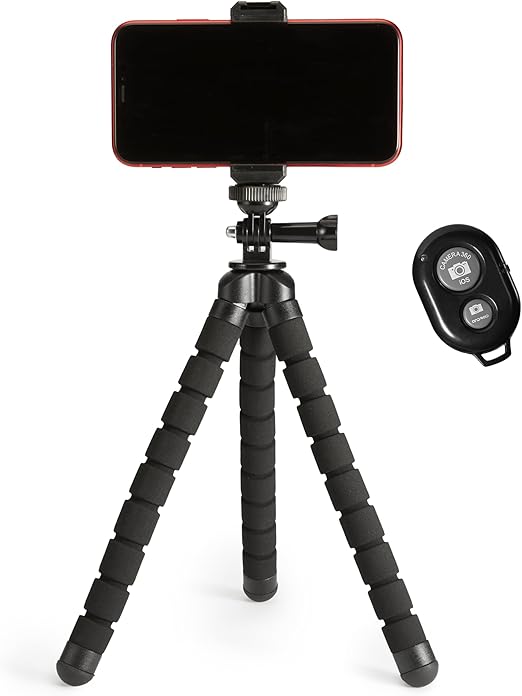
Essential for low-light conditions in shaded alleys or dawn shoots. Flexible legs let you position your camera at ground level for mushroom perspectives or wrap around fence posts for stable elevated shots without carrying heavy gear
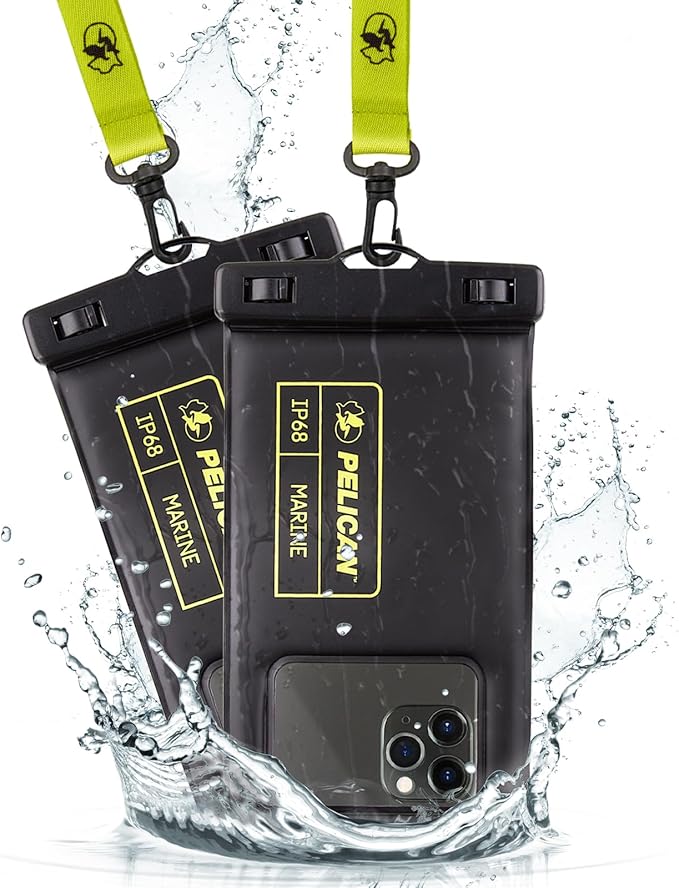
Shoot in drizzle, morning dew, or near water features without worry. Lanyard keeps your phone accessible while climbing, crawling, or navigating rough terrain to reach that perfect angle. I've gotten shots of fungi emerging after rain that wouldn't exist without waterproof protection
As an Amazon Associate I earn from qualifying purchases. Prices may change.
Step-by-Step Guide
1
Pick your three-block urban territory
Choose a tight 3-5 block radius you can easily walk. Prioritize edge habitats where infrastructure meets green—parking lot borders, building courtyards with planters, creek culverts, community gardens. Download the iNaturalist app now for species ID and tracking.
💡 Pro Tips:
• Edge zones harbor more biodiversity than pure concrete or pure park
• A smaller territory you visit obsessively beats chasing scattered locations
2
Hunt during golden light windows
Schedule sessions for early morning (7-9AM) when dew coats spiderwebs and soft light hits brick walls at angles. Overcast days are perfect for fungi and plant details since harsh shadows vanish. Save midday shooting for straight-down sidewalk crack subjects only.
💡 Pro Tips:
• Last hour before sunset makes chain-link fence vines look cinematic
3
Work from obvious to microscopic
Start with visible subjects—squirrels, pigeons, street trees—then shrink your focus to lichen on telephone poles, moss between bricks, insects on sidewalk wildflowers. Get low for mushroom perspectives or look up for canopy patterns against buildings. Each subject needs three shots: wide environmental context showing urban location, medium detail, and macro close-up.
💡 Pro Tips:
• Shooting at ground level reveals perspectives most people never see
4
Document locations like field research
Record exact spots in your phone—"corner of 5th and Main, east-facing wall." This geo-data becomes scientifically valuable over time. Upload to iNaturalist with precise location, date, and behavior notes. Tag to species level using AI suggestions or wait for community experts to correct you.
💡 Pro Tips:
• Your sidewalk mushroom photos become actual data for researchers tracking urban species
5
Return weekly to build time-series
Revisit the same tree, ivy wall, or fire escape monthly to catch seasonal patterns invisible to one-time visitors. Track bloom weeks near dumpsters, frost patterns on railings, when migrating warblers pause in parking lot trees. Sustained observation of a single location reveals more than scattered wandering.
6
Join local urban naturalist networks
Find your city's iNaturalist projects or Facebook biodiversity groups. Share discoveries, sharpen identification skills, uncover overlooked wildlife hotspots. Urban park rangers and community garden crews know where animals congregate.
Captures detail invisible to the naked eye—mushroom gills, insect compound eyes, leaf vein patterns. Transforms your phone into a field microscope for documenting small urban biodiversity that most people overlook
Instant identification means you shoot smarter—knowing what you're looking at helps you frame better shots and understand behavior. Offline mode works in dead zones like industrial areas or parks with spotty coverage
Seek by iNaturalist (free) or Merlin Bird ID for real-time species identification without cell service
Essential for low-light conditions in shaded alleys or dawn shoots. Flexible legs let you position your camera at ground level for mushroom perspectives or wrap around fence posts for stable elevated shots without carrying heavy gear
Compact tripod with bendable legs that can grip poles, wrap around railings, or stabilize on uneven surfaces
Shoot in drizzle, morning dew, or near water features without worry. Lanyard keeps your phone accessible while climbing, crawling, or navigating rough terrain to reach that perfect angle. I've gotten shots of fungi emerging after rain that wouldn't exist without waterproof protection
Protective case that seals against rain and dust with neck strap attachment
Today, you're going to melt, scent, and pour your own glowing candles from scratch.
Transform raw wax into glowing works of art by melting, scenting, and pouring your own custom candles. You'll measure and melt wax, blend fragrances to create signature scents, position wicks in decorative containers, and watch as liquid transforms into solid—emerging with hand-poured candles that fill your space with ambiance and your chosen aroma. This tactile craft combines chemistry and creativity, teaching you the fundamentals of candle composition while you design candles perfectly suited to your aesthetic and scent preferences.