Block Printing on Fabric
Carve once, print forever—turn blank fabric into wearable art with hand-cut stamps.
About This Quest
Carve your own stamps and print repeating patterns on fabric. Turn blank tote bags and tea towels into custom pieces using traditional block printing techniques.
Block printing transforms plain fabric into one-of-a-kind textiles using carved stamps and textile ink. You'll carve designs into soft rubber blocks, then press them onto fabric in repeating patterns—the same technique used for centuries in India and Japan. The rhythm of carving, inking, and stamping becomes meditative once you find your groove. The beauty lies in imperfection. Hand-carved blocks create variations that make each print unique—ink density shifts, wood grain shows through, alignment drifts slightly. This isn't screen printing precision; it's the human hand visible in every impression. Start with geometric shapes or simple florals before attempting detailed scenes. You'll need a firm surface (kitchen table works), good light, and patience during the carving phase. The lino cutters are sharp—always cut away from your body and keep your free hand behind the blade. Once your block is carved, you can print hundreds of impressions. Test on scrap fabric first to dial in your ink consistency and pressure. Too much ink bleeds, too little looks patchy. The sweet spot gives you crisp edges with slight texture from the block.
Why This Quest Matters
Your carved block becomes a permanent stamp you can use hundreds of times, turning blank tote bags, napkins, or yardage into custom textiles. The slight imperfections in each print—where ink pools differently, where your hand pressure varies—prove these are yours, not mass-produced. Once you've made your first block, you'll start seeing printable surfaces everywhere.
What You'll Experience
- How to carve negative space designs safely with lino cutters
- The relationship between ink consistency, pressure, and print quality
- Pattern spacing and alignment techniques for repeating blocks
- Heat-setting methods that make textile prints permanent and washable
- Why hand-printed variations make textiles more valuable, not less
What You'll Need
Top gear to make this quest great.
Pull it off
Speedball Lino Cutter Set
Provides multiple blade shapes for carving different line widths and clearing large areas efficiently
Get on Amazon · $17.99 — Speedball Lino Cutter SetEasier to carve than traditional linoleum, reduces hand fatigue for beginners while holding fine detail
Stays permanent after heat-setting, bonds to fabric fibers rather than washing out like acrylic paint
As an Amazon Associate I earn from qualifying purchases. Prices may change.
Step-by-Step Guide
Sketch and transfer your design
Draw your design on paper using bold lines and simple shapes—remember to mirror it if you're printing text or directional elements. Transfer to the rubber block with graphite paper or draw directly on the surface, clearly marking the areas you'll carve away.
💡 Pro Tips:
- • Beginners should stick with geometric patterns or simple florals—intricate details get lost in carving
Carve your block with lino cutters
Use large U-gouges to remove big areas, then switch to V-gouges for detail lines. Carve shallow—just 2-3mm deep. Always cut away from your body and keep your free hand behind the blade.
💡 Pro Tips:
- • Sharp blades make cleaner cuts and are actually safer than dull ones
- • Work in good light so you can see your progress clearly
Roll ink and test your first print
Use a brayer to roll a thin, even layer of textile ink onto your carved block. Press firmly onto scrap fabric for 10-15 seconds with even pressure across the surface, then lift straight up. Adjust ink amount and pressure until you get crisp edges without bleeding.
💡 Pro Tips:
- • Too much ink fills in fine details; too little looks patchy
Print your repeating pattern
Stamp across your pre-washed fabric, re-inking the block between each impression. Use a ruler or light pencil marks to keep rows aligned, or let spacing drift for a more organic look.
💡 Pro Tips:
- • The variations between prints—slight shifts in ink and alignment—are features, not flaws
Heat-set and clean up
Let prints dry for 24 hours, then heat-set with an iron according to your ink's instructions (typically 3-5 minutes on cotton setting) to make them washable. Clean your blocks immediately with soap and water and store flat—they'll last indefinitely.
Gear Up for Your Quest
The gear that makes this quest work.
Pull it off

Speedball Lino Cutter Set
Provides multiple blade shapes for carving different line widths and clearing large areas efficiently
Get on Amazon · $17.99 — Speedball Lino Cutter Setdetails & deals →+ complete the kit — 4 more

Easier to carve than traditional linoleum, reduces hand fatigue for beginners while holding fine detail
4x6 inch rubber carving blocks (pack of 3-4)
Get on Amazon · $17.49 — Soft-Kut Carving Blocksdetails & deals →
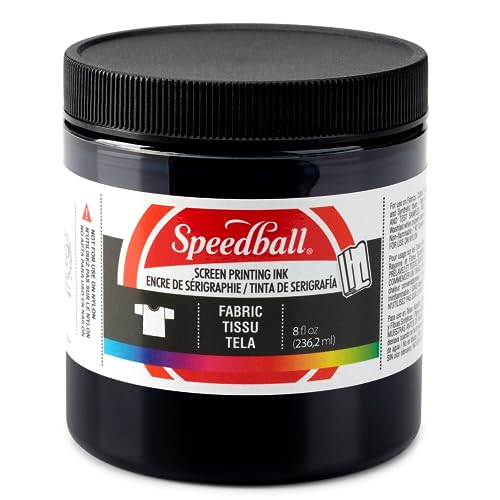
Speedball Fabric Block Printing Ink
EssentialStays permanent after heat-setting, bonds to fabric fibers rather than washing out like acrylic paint
Water-based textile ink, 2.5 oz tube
Get on Amazon · $12.99 — Speedball Fabric Block Printing Inkdetails & deals →
Soft Rubber Brayer
EssentialRolls ink onto blocks in thin, even layers—prevents the blotchy coverage you get from brushing ink on
4-inch rubber roller with handle
Get on Amazon · $6.69 — Soft Rubber Brayerdetails & deals →
Pre-Cut Blank Tote Bags
RecommendedPre-hemmed fabric with built-in structure makes printing easier than cutting and sewing your own fabric
100% cotton canvas totes, pack of 6
Get on Amazon · $17.99 — Pre-Cut Blank Tote Bagsdetails & deals →RELATED GEAR GUIDE
Phone Photography Kit: 9 Picks for Better Shots
Field-tested picks · Creative Arts
As an Amazon Associate, IRL Sidequests earns from qualifying purchases at no extra cost to you.
Prices and availability are subject to change. The price shown at checkout on Amazon at the time of purchase will apply.
Editor's Picks
Hand-selected quests our team thinks you'll love

Dawn Patrol: Your First Bird Watching Adventure
Wake up with the birds and see your neighborhood through new eyes.

Creative Skills Quest Hub: Learn By Doing
The best way to learn creative skills? Make bad art until it gets good.

Urban Texture Block Printing
That rusted fire escape pattern? It belongs on a tote bag.