Your city knows secrets about survival that you haven't learned yet.
Learn practical urban emergency skills through hands-on neighborhood scenarios. Practice crisis response, evacuation planning, and safety protocols in your own city.
Most people think emergency preparedness means buying a kit and forgetting about it. Real readiness comes from walking your neighborhood with new eyes—spotting the basement entrance that floods first during storms, knowing which bodega owner keeps a generator running, understanding which streets turn into wind tunnels during fires. This quest turns your daily environment into a training ground for crisis response. You'll physically test your evacuation routes at different times of day, map water sources and medical facilities within walking distance, identify structural weaknesses in buildings you pass daily, and create a communication plan that works when cell towers fail. The goal isn't paranoia—it's confidence. When you know exactly how long it takes to walk home from work without public transit, or which neighbors have medical training, panic loses its grip. This isn't theoretical. You're building muscle memory for scenarios that urban dwellers face: power outages, severe weather, civil disruptions, or personal emergencies far from home. By the end, you'll have a personalized emergency map of your neighborhood, tested routes, verified resources, and the kind of situational awareness that turns chaos into manageable problems.
Map your primary and secondary evacuation routes from home, work, and frequently visited locations. Walk each route completely, timing yourself and noting obstacles, traffic patterns, street lighting quality, and seasonal flooding zones. Identify three different ways to reach designated safe zones.
Conduct a neighborhood resource audit. Document locations of fire hydrants, AED stations, 24-hour pharmacies, hospitals, police/fire stations, and community shelters within a 2-mile radius. Note business hours, accessibility features, and backup power capabilities where visible.
Test your go-bag by actually carrying it for 30 minutes through varied terrain. Walk stairs, uneven sidewalks, and crowded areas. Adjust contents based on weight distribution, accessibility of critical items, and realistic carrying capacity during stress.
Practice your communication plan during a self-imposed phone blackout. Use designated meeting points, pre-agreed check-in times, and alternative contact methods. Verify that out-of-area emergency contacts can be reached from public phones or neighbor devices.
Identify structural hazards on your regular routes. Note buildings with obvious deterioration, areas with falling hazards during high winds, glass-heavy facades, narrow passages prone to stampeding, and spots vulnerable to flooding or fire spread.
Create water and food security maps. Locate public water sources, grocery stores, community fridges, and restaurants with backup generators. Test whether you can access potable water within walking distance during a hypothetical infrastructure failure.
Learn your building's emergency systems. Locate fire extinguishers, emergency exits, utility shut-offs, first aid supplies, and evacuation assembly points. Practice stairwell navigation in low light. Time your building evacuation from different starting points.
Document hyperlocal weather vulnerabilities. Identify which intersections flood first, trees that shed large branches, areas that lose power consistently, and microclimates that intensify heat or cold. Cross-reference with historical emergency data from local news archives.
Build a neighborhood emergency network. Introduce yourself to immediate neighbors, exchange contact information, and identify skill sets (medical training, language abilities, physical limitations). Create a simple mutual aid plan for checking on vulnerable residents.
Test your situational awareness through urban observation exercises. Spend 15 minutes in high-traffic areas identifying exits, potential hazards, and safe cover. Practice the OODA loop (Observe, Orient, Decide, Act) in non-emergency scenarios to build reflexes.
Get everything you need to make this quest amazing.
Hand-crank or solar-powered radio with NOAA weather alerts, AM/FM bands, flashlight, and USB charging port
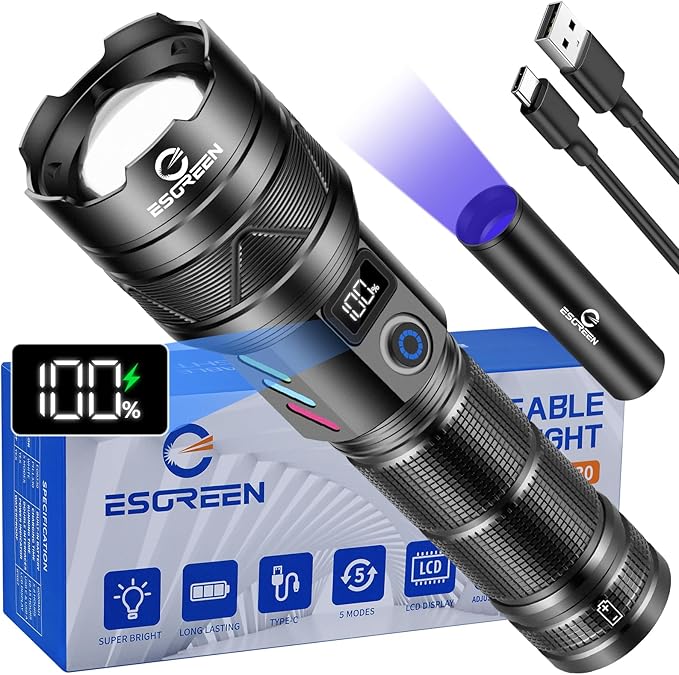
Get This ItemHigh-lumen LED flashlight with multiple modes including strobe, rechargeable battery, and impact-resistant housing
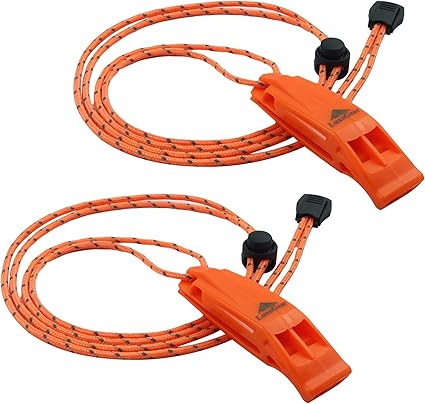
Get This ItemHigh-decibel emergency whistle that works when wet, doesn't require breath force, and carries sound through urban noise
Get This ItemSpecialized mapping application that downloads full city data for GPS navigation without cellular or data connection (Maps.me, OsmAnd, or Guru Maps)
Get This ItemPortable emergency escape ladder that hooks to windowsills, designed for quick deployment from upper floors
Get This Item💙 Shopping through these links helps support IRL Sidequests at no extra cost to you. Thanks for making adventures possible!
Hand-selected quests our team thinks you'll love

Cozy, gooey, unforgettable nights.

Turn your kitchen into a mad scientist’s bar.

Sharpshooter bragging rights start here.