Cities transform when the sun drops—learn to read them in a different light.
Navigate cities after sunset, document nocturnal architecture, and capture the energy of urban nightlife through strategic exploration routes.
The city operates on two clocks. Most people only experience the daylight version—sanitized, predictable, rush-hour programmed. After 10 PM, a different infrastructure activates: delivery trucks claim the streets, night shift workers populate 24-hour diners, steam rises from subway grates in geometric columns, and neon reflects off rain-slicked asphalt in ways that don't exist during business hours. This isn't about bar-hopping or club culture. You're learning to read urban space when foot traffic drops and artificial lighting becomes the primary design element. Street-level storefronts that blend into background noise during the day suddenly become isolated light boxes. Alleys you'd never notice reveal fire escape geometry and layered brick textures under sodium vapor lamps. The ambient soundtrack shifts from car horns to HVAC hums, distant train brakes, and the specific echo patterns of empty streets. You'll develop route literacy—understanding which neighborhoods maintain energy past midnight, where 24-hour establishments create natural safe zones, and how to time your movement with public transit schedules. This builds spatial confidence and situational awareness that translates beyond photography. You're not just taking pictures; you're learning to navigate and interpret urban environments when most people are asleep, which fundamentally changes how you understand the city's operational rhythm.
Scout your route during daylight first. Walk the same blocks you plan to explore after dark, noting lighting conditions, business hours, and transit stop locations. Identify 3-4 anchor points—24-hour cafes, late-night bookstores, or transit hubs—where you can reset if needed.
Start your exploration during the transition hour (8-9 PM in most cities). Watch how streetlights and storefront signs activate, how foot traffic patterns shift, and where light pools form. The blue hour gives you residual ambient light while artificial sources start dominating—this layered lighting creates depth.
Move in loops, not linear routes. Plan a 2-mile circuit that brings you back to your starting point every 45-60 minutes. This builds familiarity with the space and lets you observe how the same locations change as the night progresses. Notice which businesses close, when delivery trucks arrive, how street demographics shift.
Focus on light interactions, not just landmarks. Look for reflections in puddles and glass facades, steam backlit by vehicle headlights, the glow of smartphone screens illuminating faces in bus shelters, shadows cast by fire escapes creating geometric patterns on brick walls. The story is in how light behaves, not what it illuminates.
Document atmospheric details between shots. Record audio notes about sounds—specific types of music bleeding from venues, languages you hear, mechanical noises. Note smells—food trucks, subway air, rain on hot pavement. These sensory markers help you remember locations and build richer context for your visual documentation.
Identify your safe zones and use them strategically. Enter a 24-hour diner every 90 minutes. Order coffee, use the restroom, review your photos, adjust your route based on what you're finding. These pauses keep you alert and give you natural break points to assess your energy and safety comfort level.
Shoot in manual mode with higher ISO (1600-3200) to maintain fast enough shutter speeds for handheld shots. Most night scenes need 1/60th second minimum to avoid motion blur. Underexpose slightly in-camera—you can recover shadows in editing, but blown highlights from bright signs are unrecoverable.
End your session by 1-2 AM unless you're specifically documenting late-night/early-morning transitions. The energy typically drops significantly after bar close in most neighborhoods. Use your final 30 minutes to walk back through your route in reverse, seeing how the same spaces read differently after several hours have passed.
Get everything you need to make this quest amazing.
Wide-aperture lens that captures significantly more light than standard kit lenses
Get This ItemGPS navigation app that functions without cellular data connection
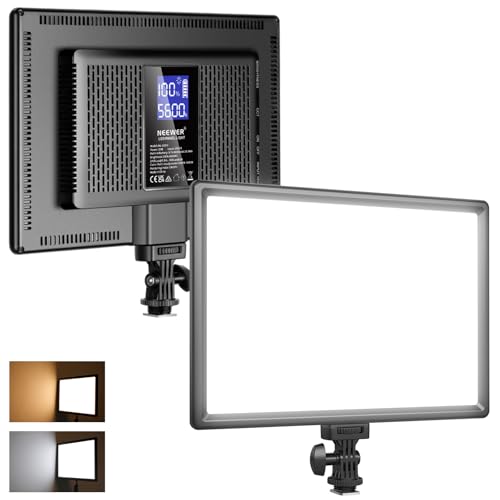
Get This ItemPocket-sized continuous light source with adjustable color temperature and brightness
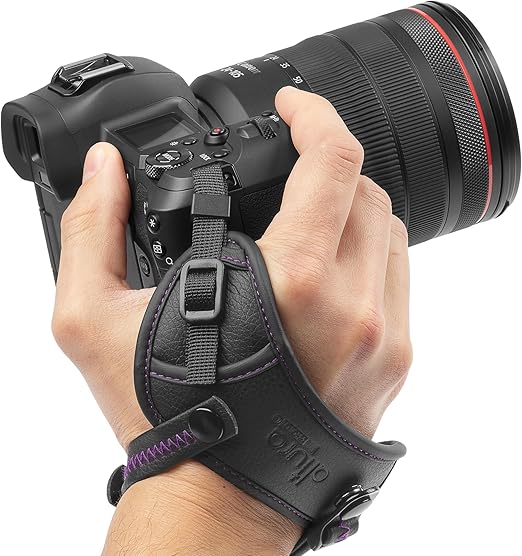
Get This ItemLow-profile strap that secures camera to your wrist, not your neck
Get This Item💙 Shopping through these links helps support IRL Sidequests at no extra cost to you. Thanks for making adventures possible!
Hand-selected quests our team thinks you'll love

Cozy, gooey, unforgettable nights.

Turn your kitchen into a mad scientist’s bar.

Sharpshooter bragging rights start here.