Urban Mystery & Investigation Quest - Urban Exploration quest for Intermediate level adventurers

Urban Mystery & Investigation Quest

The city keeps secrets—time to crack them open.

Share:
5 supplies needed· Estimated total: Free
View supplies

About This Quest

Channel your inner detective by investigating real urban mysteries, unsolved cold cases, and forgotten city stories through historical archives, on-the-ground clues, and investigative documentation.

Real mysteries hide in plain sight. That unmarked building downtown? It was a speakeasy raid site. The vacant lot by the highway? A missing person's last known location from 1987. City archives, newspaper morgues, and historical societies hold thousands of unsolved puzzles that never made national news—disappearances, architectural mysteries, forgotten crimes, and stories that got buried under decades of new construction. This quest transforms you into a civilian investigator. You'll pull public records, cross-reference old maps with current streetscapes, interview longtime residents who remember what the news forgot, and physically walk the locations where mysteries unfolded. The goal isn't armchair speculation—it's boots-on-the-ground documentation. You'll photograph evidence, compile timelines, and build case files that could surface new leads or preserve stories before the last witnesses are gone. The work demands patience and respect. You're not sensationalizing tragedy or trespassing on private grief. You're practicing responsible citizen journalism: documenting facts, respecting privacy, and contributing to community memory. Some investigations lead nowhere. Others uncover details that change how you see your city. The alley you've walked past a thousand times suddenly becomes a crime scene you're trying to understand through 40-year-old witness statements and faded police blotter entries.

Duration
3-5 hours per investigation
Estimated Cost
Free
Location
Outdoor
Season
Year-round

Step-by-Step Guide

1

Choose your case from public sources: local historical society archives, newspaper databases (most libraries offer free digital access), cold case databases, or city planning records showing demolished buildings with murky histories. Focus on cases at least 20 years old to respect ongoing investigations and family privacy.

2

Build your case file at the library or archives before hitting the streets. Pull every newspaper article, public record, death certificate (if applicable), building permit, and city directory listing related to your mystery. Most cities digitized records back to the 1800s—use exact date ranges and address searches. Screenshot and organize everything chronologically.

3

Map it out: Use historical mapping tools to overlay old street grids onto current satellite imagery. Note what's changed—demolished buildings, renamed streets, filled-in waterways. Mark every location mentioned in records: last-seen locations, witness addresses, crime scenes. The physical geography tells half the story.

4

Conduct field reconnaissance during daylight hours. Walk the actual routes, photograph current conditions, and note what's still standing versus what's been erased. A "vacant lot" in records might now be a parking garage, but the sightlines witnesses described could still exist from surrounding buildings. Document angles, distances, and modern barriers that didn't exist decades ago.

5

Interview the neighborhood if the mystery is localized. Hit corner stores, longtime barbershops, and churches—places where institutional memory lives. Don't lead with sensational details. Start with: 'I'm researching neighborhood history from the 1980s, did you live here then?' Most people open up about what they remember once they know you're serious and respectful.

6

Cross-reference everything. Old newspaper articles contradict each other constantly. Witnesses misremember. Police reports contain errors. Your job is triangulating the most likely truth from multiple imperfect sources. Build a timeline with source citations for every claimed fact.

7

Document your findings in a structured format: case summary, timeline, witness accounts, photographic evidence comparison (then vs. now), open questions, and potential new leads. If you uncover something genuinely significant—a contradiction in official records, a witness who was never interviewed—consider sharing with local historians or journalists, not social media.

8

Practice ethical boundaries: Never contact victims' families uninvited, don't trespass on private property, avoid sharing identifying information about living witnesses without consent, and don't present theories as facts. You're documenting and preserving, not accusing or exploiting.

Gear Up for Your Quest

Get everything you need to make this quest amazing.

Voice Recording Device or App

Essential
$0

Dedicated recording tool for capturing oral history interviews with witnesses and longtime residents (free apps: Rev Voice Recorder, Otter.ai)

Get on Amazon · $0

Portable Document Scanner

Recommended
$80-150

Handheld scanner for capturing archival documents, newspaper clippings, and public records without relying on slow library copiers

Get on Amazon · $80-150

Ancestry.com or Newspapers.com Subscription

Recommended
$25-45/month

Access to digitized historical newspapers, obituaries, census records, and city directories spanning 150+ years

Get on Amazon · $25-45/month

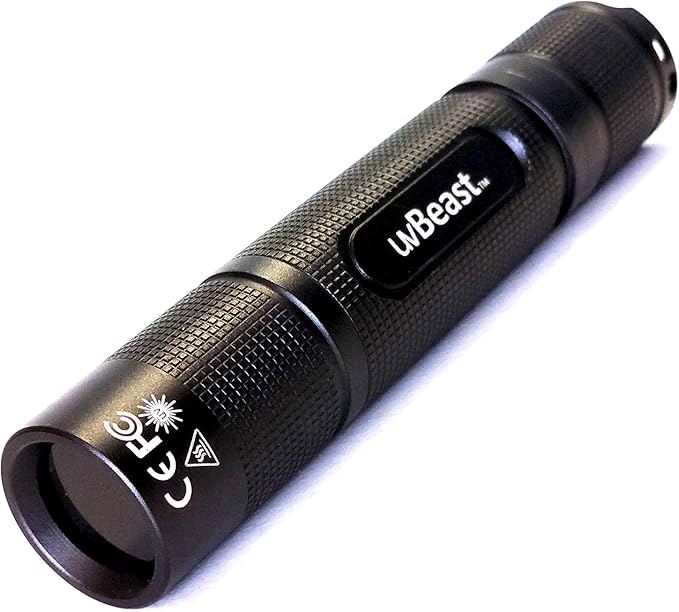
UV Flashlight (365nm)

Optional
$25-40

Ultraviolet light source for detecting alterations in documents, invisible ink, or fluorescent markers used in historical record-keeping

Get on Amazon · $25-40

Wide-Angle Lens or Action Camera

Optional
$100-250

Camera with 120°+ field of view for capturing full crime scene contexts and architectural documentation

Get on Amazon · $100-250

💙 Shopping through these links helps support IRL Sidequests at no extra cost to you. Thanks for making adventures possible!