
Urban Micro-Adventure Master Guide
Your city has more secret adventure potential than most wilderness areas—you just need to know where to look.
About This Quest
Turn ordinary city blocks into adventure zones with tactical urban exploration techniques, stealth challenges, and hidden urban phenomena hunting.
Most people walk the same five blocks their entire lives. They pass architectural details carved in 1903, underground stream access points, rooftop gardens invisible from street level, and alleyways that dead-end into surprise courtyards. This guide teaches you to see your city like an adventure map, where every transit ride becomes a reconnaissance mission and every neighborhood holds discoverable secrets. Micro-adventures aren't about traveling far—they're about looking closer. The storm drain near the courthouse that echoes like a cathedral. The fire escape route that offers a completely different perspective on downtown. The 6 AM light that turns that boring parking garage into a brutalist photography studio. These adventures slot into lunch breaks, early mornings, or that weird two-hour gap between commitments. This isn't urban exploration in the trespassing sense—it's tactical noticing. You'll learn reconnaissance walking patterns that reveal hidden layers, develop mental maps that show you the city's skeleton, and build a personal database of micro-sites worth revisiting. By month three, you'll navigate your city with the confidence of someone who actually knows what's behind those unmarked doors.
Why This Quest Matters
Within three months, you'll navigate your city with the confidence of someone who knows what's behind unmarked doors and which fire escape offers the best downtown perspective. The storm drain near the courthouse that echoes like a cathedral becomes yours, not because you traveled far, but because you looked closer. These micro-adventures slot into lunch breaks and weird two-hour gaps, transforming dead time into discoveries that make your city feel ten times larger.
What You'll Experience
- Reconnaissance walking patterns that reveal architectural details and hidden passages invisible on autopilot
- How to navigate using sun position, building orientation, and visual landmarks instead of GPS
- The city's secret rhythms—where fog pools, which vents hum on Tuesdays, how streets transform after dark
- A personal database of 50+ tagged micro-sites within 2 miles of home worth revisiting in different light
- How arbitrary constraints (stay in shade, only left turns) force discovery of alternative routes and threshold spaces
What You'll Need
Top gear to make this quest great.
Pull it off
Tactical LED Flashlight (500+ lumens, strobe mode)
Reveals architectural details in shadow, illuminates alleyways and underpasses during after-dark adventures, strobes for safety if needed. The 500+ lumen output shows texture on brick walls and makes night photography possible without flash.

Captures entire building facades, alleyway perspectives, and architectural details that normal phone cameras cut off. Essential for documenting threshold spaces and elevation viewpoints where you can't step back far enough for standard framing.
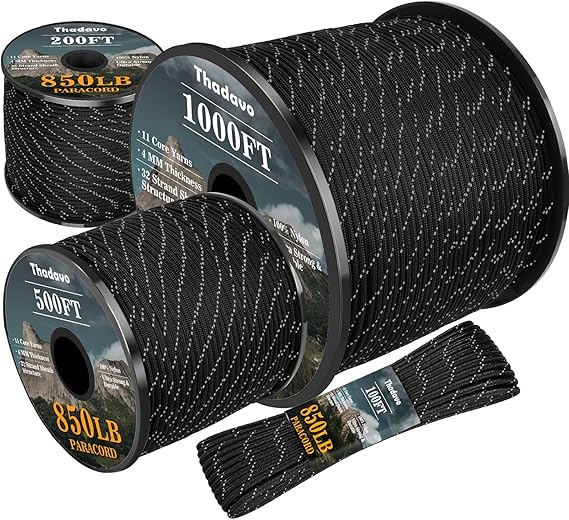
Mark temporary return routes in complex parking structures or multi-level spaces during exploration. Tie around railings or poles to create visible waypoints when navigating unfamiliar areas. The reflective strand catches your flashlight beam for easy backtracking.
As an Amazon Associate I earn from qualifying purchases. Prices may change.
Step-by-Step Guide
Break your autopilot patterns
Take your usual route using only left turns, or only alleyways, or by keeping the sun on your right shoulder. Notice the Vietnamese sandwich shop tucked behind the dentist office, the community garden hidden between warehouses. Then spend one week documenting 15-20 repeating micro-phenomena most people miss—where pigeons congregate at 4:47 PM, which building's HVAC hums on Tuesdays, where morning fog pools.
💡 Pro Tips:
- • Give yourself 3x your normal commute time to properly investigate side paths
- • Take the same route twice with different constraints to see what each reveals
Map the vertical city
Scout 5+ accessible elevation changes—parking garage tops, pedestrian bridges, building lobbies with upper-floor public access. Visit each at early morning or late evening when light makes familiar streets unrecognizable from 50 feet up. Then catalog 20 threshold spaces: gaps between buildings, dead-end alleys, pocket parks smaller than studio apartments.
💡 Pro Tips:
- • Security guards rarely question confident people with cameras during golden hour
- • Pedestrian bridges over highways often connect to surprising neighborhood pockets
Run constraint-based navigation challenges
Pick a destination 10 blocks away. Get there while staying entirely in shade, or by minimizing street crossings, or using only north-south streets. These arbitrary rules force you to discover loading docks with public access and diagonal streets nobody uses. Once weekly, take a familiar destination via a completely new route, giving yourself 3x the normal time.
💡 Pro Tips:
- • The 'stay in shade' challenge works best in summer between 11 AM and 3 PM
- • Photograph one discovery each challenge to build your reference library
Conduct sensory and temporal experiments
Set your alarm for 5:30 AM on a weekend and walk your most familiar commercial street—notice locked gates, steam from basement vents, delivery truck choreography. Then run a 30-minute sensory spotlight walk focusing exclusively on sound (where echoes occur, where traffic noise drops to zero) or smell (bakeries, printing shops, subway vents). After dark, revisit daytime routes with a flashlight to map how spaces transform.
💡 Pro Tips:
- • The financial district's weird emptiness after dark feels post-apocalyptic
- • Sound walks work best on weekday mornings when mechanical rhythms are clearest
Practice architectural archaeology
Pick one city block and identify construction eras by brick patterns, window styles, cornerstones with dates, ghost signs for painted-over ads. Most blocks contain 60-100 years of visible history. Document what you find—that Coca-Cola ad from 1947 is still visible at the right angle in afternoon light. Master one transit line by riding it to terminus, then returning using only different routes and visual navigation.
💡 Pro Tips:
- • Afternoon light at shallow angles reveals painted-over signage invisible at noon
- • Building permit numbers near entrances often include construction dates
Build your invisible city database
GPS-tag 50+ micro-sites within a 2-mile radius worth revisiting in different seasons or weather—the rooftop view, the alley with the best echo, the block where morning light hits brick perfectly at 7:43 AM. Keep a micro-adventure kit ready (flashlight, snacks, first aid basics) for spontaneous 30-minute investigations. After 8-10 adventures, compile your best findings into a shareable photo essay or map and run a joint expedition with a friend.
💡 Pro Tips:
- • Tag locations with time-of-day notes—that parking garage is only interesting before 8 AM
- • Teaching someone else to see differently cements your own observation skills
Gear Up for Your Quest
The gear that makes this quest work.
Pull it off

Tactical LED Flashlight (500+ lumens, strobe mode)
Reveals architectural details in shadow, illuminates alleyways and underpasses during after-dark adventures, strobes for safety if needed. The 500+ lumen output shows texture on brick walls and makes night photography possible without flash.
+ complete the kit — 3 more

Clip-on Wide-Angle Smartphone Lens
RecommendedCaptures entire building facades, alleyway perspectives, and architectural details that normal phone cameras cut off. Essential for documenting threshold spaces and elevation viewpoints where you can't step back far enough for standard framing.
Universal clip-on lens that attaches to smartphone camera for 0.45x wide-angle shots
Get on Amazon · $39.99 — Clip-on Wide-Angle Smartphone Lensdetails & deals →
Reflective Paracord (50 feet)
OptionalMark temporary return routes in complex parking structures or multi-level spaces during exploration. Tie around railings or poles to create visible waypoints when navigating unfamiliar areas. The reflective strand catches your flashlight beam for easy backtracking.
Lightweight paracord with reflective tracer woven in, visible in flashlight beam
Get on Amazon · $39.99 — Reflective Paracord (50 feet)details & deals →
Pocket Monocular (8x25 or 10x25)
OptionalExamines architectural details 5-8 stories up—cornerstone dates, carved ornaments, rooftop installations, window-level gardens. Lets you read ghost signs and painted advertisements on upper brick walls. More practical than binoculars for solo urban exploration where one eye stays on surroundings.
Single-eye compact monocular, waterproof, fits in pocket
Get on Amazon · $69.99 — Pocket Monocular (8x25 or 10x25)details & deals →RELATED GEAR GUIDE
Urban Cycling Kit: 6 Picks to Quest Your City by Bike
Field-tested picks · Urban Exploration
As an Amazon Associate, IRL Sidequests earns from qualifying purchases at no extra cost to you.
Prices and availability are subject to change. The price shown at checkout on Amazon at the time of purchase will apply.
Editor's Picks
Hand-selected quests our team thinks you'll love

Urban Food & Beverage Culture Quest
The best food in your city isn't on Yelp's front page—it's where rent is cheap and menus aren't in English.

Historical Walking Tour: Read Your City's Hidden Stories
Every sidewalk crack has a story—you just need to know where to look.

Architecture Scavenger Hunt: Decode Your City's Hidden Design Language
That building you pass every day? It's been screaming details at you that you've never noticed.
Not this one?
Get a different side quest in 30 seconds
Tell the generator how much time you have, who you're with, and your mood — it picks from 500+ quests like this one.
Try the real life side quest generator