Every building tells three stories: what it was built for, what it became, and what it replaced.
Learn to decode architectural styles, construction methods, and historical layers in your city's buildings through guided observation and documentation.
Buildings aren't just decoration—they're layered historical documents. That Victorian storefront? Look closer at the side wall and you'll see bricked-over windows from when glass was taxed. The concrete patch on the corner? That's where the original iron hitching post was removed in the 1920s. The mismatched brickwork three floors up? Fire damage repaired in a different era with whatever materials were available. This quest teaches you to read architecture forensically. You'll learn to spot the difference between load-bearing and decorative elements, identify when facades were added to older structures, and recognize construction techniques that date buildings within a decade. The morning light (8-10AM) is best for seeing texture in stone and brick—shadows reveal chisel marks, weathering patterns, and repair work invisible at midday. You're not just looking at pretty buildings. You're reading economic booms in the height of cornices, seeing immigration patterns in decorative motifs, and tracking technological change through window sizes. The goal is a documented route of 8-12 buildings where you can explain their construction period, original purpose, and at least two modifications. Works in any city with pre-1960s construction.
Choose a district with buildings from multiple eras (1850-1950 is ideal for visible variation). Downtown commercial areas, older residential neighborhoods near former streetcar lines, or warehouse districts work well. Avoid areas with only modern construction or heavily renovated historic districts where original details are hidden.
Start with corner buildings—they expose two facades and often show construction techniques on less-finished side walls. Look for: foundation material (stone, brick, concrete dates the base), window patterns (changes in size/spacing indicate additions), roofline interruptions (skyline changes show where buildings were raised), and material transitions (brick-to-concrete usually marks pre/post-1920).
Document systematically: photograph straight-on (not angled), capture detail shots of cornices, lintels, and foundation joints, note street address and corner orientation. The wide-angle lens attachment prevents distortion on narrow streets—critical for seeing full facades.
Read the layers: ground floor modifications (most buildings have replaced storefronts 2-3 times), upper floor consistency (usually original), roofline additions (mansard roofs often added later for extra floor), and rear/side walls (cheapest materials used where not publicly visible).
Identify construction tells: brick bond patterns (Flemish bond = pre-1900, running bond = 1900+), window types (single-pane = pre-1910, multi-pane = 1910-1940, plate glass = 1950+), cornice materials (sheet metal painted to look like stone = 1880-1920s cost-cutting), mortar color and texture (lime mortar weathers white, Portland cement stays gray).
Cross-reference with building permits (many cities have digitized records online), fire insurance maps (free at university libraries, show 1880s-1950s building footprints and materials), and old business directories (reveal original tenant and building purpose).
Create your route documentation: annotate photos with construction periods and evidence, mark material transitions, note modifications, explain original vs current use. The building dictation recorder captures observations in real-time without stopping to type.
Advanced technique: photograph the same facade in morning and late afternoon light—raking light reveals modifications, patches, and repair work invisible in flat midday light. Check foundations after rain when water staining shows structural changes.
Get everything you need to make this quest amazing.
Clip-on smartphone lens that captures full building facades on narrow streets without distortion
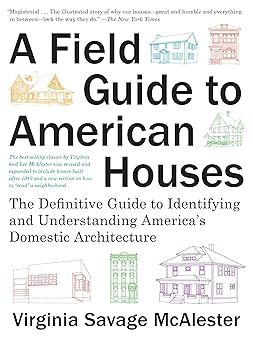
Get This ItemRegional reference showing common construction periods, materials, and style identifiers for your city or region
Get This ItemVoice-to-text app specifically for field documentation (Otter.ai, Rev Voice Recorder, or Just Press Record)
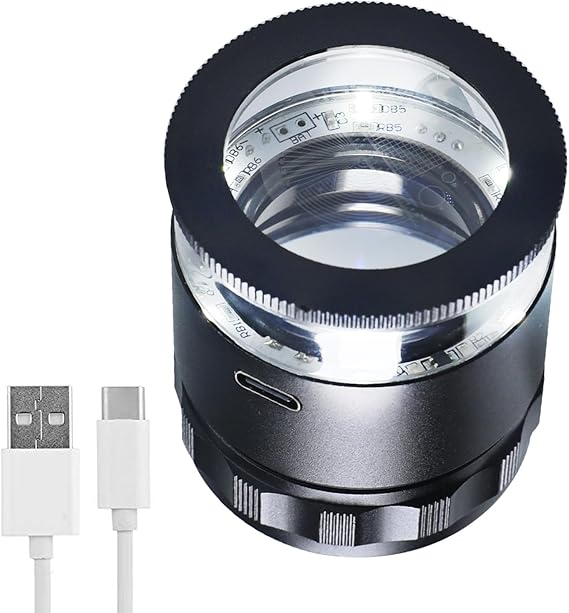
Get This ItemPocket magnifier for examining brick stamps, stone chisel marks, and mortar composition
Get This Item💙 Shopping through these links helps support IRL Sidequests at no extra cost to you. Thanks for making adventures possible!
Hand-selected quests our team thinks you'll love

Cozy, gooey, unforgettable nights.

Turn your kitchen into a mad scientist’s bar.

Sharpshooter bragging rights start here.