IRL Sidequests
Urban History & Architecture Quest - Urban Exploration quest for Beginner level adventurers

Urban History & Architecture Quest

Every building is a time machine if you know what to look for.

About This Quest

Learn to read buildings like books. This quest teaches you to decode architectural styles, find hidden historical details, and understand how your city evolved through its structures.

Most people walk past buildings without seeing them. They notice storefronts, maybe the paint color, but miss the architectural vocabulary that tells you when something was built, who designed it, and what it meant to the people who paid for it. This quest teaches you to decode that language. You'll learn to spot the difference between Romanesque arches and Gothic ones, recognize Art Deco zigzags from a block away, and understand why that 1920s apartment building has terra cotta faces staring down at you. Start in a neighborhood built between 1880 and 1940—that's where you get the most architectural variety in most North American cities. Bring a way to take notes and photos with detail shots. The best time is weekday mornings when sidewalks are clear and light hits facades directly. You're hunting for cornerstone dates, architectural ornament, and the physical evidence of how buildings changed as they aged. Look at rooflines, window patterns, door surrounds, and any decorative elements above the third floor where modern renovations usually stop. This isn't about memorizing style names—it's about training your eye to see patterns and asking questions. Why does this block have identical cornices? When did someone add that fire escape? What do those filled-in windows tell you about how the building was used? By the end, you'll have documented 8-12 buildings with enough detail to research their stories and you'll never look at your city the same way.

Duration
2-3 hours
Estimated Cost
Free
Location
Outdoor
Season
Year-round
Family Friendly
All ages welcome

Step-by-Step Guide

1

Pick a 4-6 block radius in a pre-1950s neighborhood. Avoid tourist districts—you want residential or mixed-use areas where buildings weren't designed to be famous.

2

Walk one block completely, photographing building fronts from across the street. Capture full facades plus detail shots of cornerstones, window caps, door frames, and any decorative elements.

3

Look for cornerstone dates, usually at ground level on corner buildings. Photograph every date you find with surrounding context. These anchor your timeline.

4

Document three specific architectural features per building: roof type (flat, pitched, mansard), window style (double-hung, casement, Chicago window), and materials (brick color/pattern, stone trim, terra cotta).

5

Note any visible modifications: bricked-up windows, added fire escapes, ground-floor retail carved from residential space, aluminum siding over original materials. These tell the building's later story.

6

Find at least one building with decorative ornament above the third floor—faces, geometric patterns, animal figures. Zoom in tight. This detail is where architects spent discretionary budgets.

7

Compare buildings on the same block. Do they share cornices, window patterns, or materials? Identical details mean same developer or architect, usually within a 2-3 year build window.

8

Research when you get home. Cross-reference cornerstone dates with city directories, old fire insurance maps (Sanborn Maps), and local historical society records. Match architects to styles.

9

Create a simple map marking each building by decade. Color-code it. You're visualizing how the neighborhood filled in over time.

10

Return during different light conditions. Raking light at sunrise or sunset reveals details invisible at noon—brick textures, carved stone depth, repaired sections.

Gear Up for Your Quest

Get everything you need to make this quest amazing.

Architectural Field Guide (Regional)

Recommended
$18-25

Regional architectural style guide covering local building traditions, materials, and notable architects

Get This Item

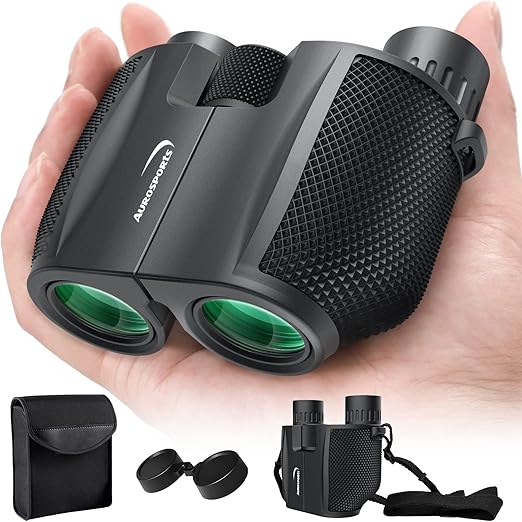
Binoculars (8x25 or 10x25)

Recommended
$30-60

Compact binoculars for examining upper-story architectural details from street level

Get This Item

Measured Grid App (iOS/Android)

Optional
$0

Specialized overlay app that adds proportion grid to your camera viewfinder

Get This Item

Clip-On Macro Lens for Phone

Optional
$15-35

Small clip-on lens that enables extreme close-ups of architectural details and material textures

Get This Item

💙 Shopping through these links helps support IRL Sidequests at no extra cost to you. Thanks for making adventures possible!