Every city block holds layers of buried stories—learn to read them like a professional archaeologist.
Learn to read architectural clues, locate forgotten foundations, and document urban archaeological sites in your city using professional field techniques.
Urban archaeology isn't about digging—it's about reading the bones of a city that most people walk past daily. That bricked-up window on Third Street? Former coal chute from 1890. The sidewalk stamp near the library? Shows which contractor poured concrete in 1923. The rusted iron rings embedded in brick walls downtown? Horse hitching posts. Once you learn to spot these signatures, every walk becomes a time machine. Professional urban archaeologists combine observation, photography, and research to document sites before they vanish to renovation. You'll learn their field methods: identifying architectural periods by brick patterns and mortar composition, photographing elevation changes that reveal old street levels, spotting foundation scars where buildings once stood. The technique works anywhere—industrial waterfronts show different stories than residential neighborhoods, but both hold readable evidence. The magic happens when you connect three data points: physical evidence (that iron bracket), historical maps (overlay shows a streetcar line ran here), and modern context (explains the bracket's purpose). Morning light between 7-9AM reveals brick textures best. Bring a field notebook—you'll want to sketch building profiles and note GPS coordinates for sites worth revisiting. Check your city's historical society beforehand; many maintain walking tour maps that identify known archaeological sites, giving you comparison points for recognizing similar features elsewhere.
Top gear to make this quest great.

Grid pages allow accurate elevation sketches and feature measurements while graphite pencil works in all weather—phones die and touchscreens fail in cold, but paper documents reliably

Captures mortar composition, brick maker's marks, and concrete aggregate details invisible to standard phone cameras—critical for dating materials accurately

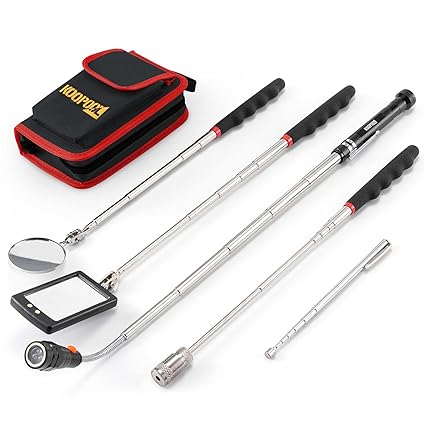
Views building details above eye level and around corners without awkward body positions—essential for reading cornerstone dates, examining window lintel carvings, and checking behind downspouts for hidden brackets
As an Amazon Associate I earn from qualifying purchases. Prices may change.
Research your target area: Pull up historical maps from your city library's digital archive (most cities have 1880s-1950s Sanborn fire insurance maps online). Compare old street layouts to current ones—missing streets indicate landfill or demolished neighborhoods.
Scout your route the day before if possible: Morning light (7-9AM) hits east-facing walls perfectly for photographing brick details. Late afternoon (4-6PM) works for west-facing structures. Overcast days eliminate harsh shadows for documentation.
Start with sidewalk archaeology: Look down first. Concrete stamps show contractor names and pour dates (most common 1900-1960). Coal chute covers are cast iron circles or rectangles, usually near building foundations. Streetcar rail remnants sometimes show through worn asphalt at intersections.
Read building elevations systematically: Start at ground level, work upward. Bricked-up doors/windows at sidewalk level indicate street raising (common in flood-prone areas). Different brick colors show additions. Ghosting (faint building outlines on adjacent walls) marks demolished structures. Iron rings, brackets, or beam ends protruding from walls have specific functions—document their height and spacing.
Document like a field archaeologist: Photograph each feature from three angles: wide context shot, medium detail, extreme close-up. Include a scale reference (your hand, a coin) in close-ups. Note GPS coordinates on your phone. Sketch elevation profiles in your notebook—cameras miss vertical relationships.
Identify brick patterns and age: Running bond (staggered bricks) = post-1890s. Flemish bond (alternating headers/stretchers) = pre-1890 or revival style. Hand-molded bricks with irregular surfaces and size variation = pre-1900. Machine-pressed uniform bricks = post-1900. Mortar color matters too: lime mortar (cream/white) is pre-1900, Portland cement (gray) is post-1900.
Check basements and foundations where accessible: Basement window wells often expose original grade levels. Foundation stone (before concrete) tells construction era: fieldstone = pre-1870, cut stone blocks = 1870-1920, poured concrete = post-1920.
Cross-reference with historical records: Visit your city's historical society website or archives that evening. Match your documented sites to building permits, street directories, and old photographs. This transforms physical evidence into specific stories.
Map your finds: Plot documented sites on a custom Google Map. Color-code by era or feature type. Share coordinates with local historical societies—they track ephemeral urban archaeological features.
Return quarterly: Urban archaeology sites disappear to renovation. That 1920s ghost sign you photographed might be sandblasted next month. Seasonal vegetation changes also reveal features—bare winter trees expose building foundations; summer ivy hides them.
Get everything you need to make this quest amazing.

Grid pages allow accurate elevation sketches and feature measurements while graphite pencil works in all weather—phones die and touchscreens fail in cold, but paper documents reliably
Weather-resistant pocket notebook with 5mm grid ruling
Get on Amazon · $19.99
Captures mortar composition, brick maker's marks, and concrete aggregate details invisible to standard phone cameras—critical for dating materials accurately
Clip-on lens for smartphone cameras with 10x minimum magnification and LED ring light
Get on Amazon · $39.99
Views building details above eye level and around corners without awkward body positions—essential for reading cornerstone dates, examining window lintel carvings, and checking behind downspouts for hidden brackets
Telescoping inspection mirror (mechanics' style, extends to 3 feet)
Get on Amazon · $24.99
Reveals invisible details: historic paint layers under current coats, modern cement repairs in old mortar (fluoresces differently), and proprietary stamps in bricks that only show under UV
Ultraviolet flashlight revealing hidden markings and repairs
Get on Amazon · $39.99As an Amazon Associate, IRL Sidequests earns from qualifying purchases at no extra cost to you.
Prices and availability are subject to change. The price shown at checkout on Amazon at the time of purchase will apply.
Hand-selected quests our team thinks you'll love

Every sidewalk crack has a story—you just need to know where to look.

That building you pass every day? It's been screaming details at you that you've never noticed.

Your city has layers most people never see—here's how to peel them back.