Urban Fitness & Movement: Transform City Streets Into Your Training Ground
The city is your gym—every ledge, rail, and wall is equipment waiting to be used.
About This Quest
Turn concrete playgrounds, park rails, and building edges into your personal gym. Learn to move through urban spaces with power and precision using bodyweight training.
Urban fitness strips away the gym membership and brings movement back to raw fundamentals. You're not just working out—you're reading the architecture around you differently. That waist-high concrete planter becomes a box jump platform. The horizontal bar supporting the awning turns into your pull-up station. The slight incline on that handicap ramp offers the perfect angle for decline push-ups. I've watched early morning sessions where the city belongs to runners and people working through precision jumps between parking blocks, landing silent and controlled. This isn't about showing off backflips on Instagram. It's about rebuilding your relationship with movement—understanding balance, building real functional strength, and developing spatial awareness most people lose after childhood. The regulars I see at converted urban spots move with economy: no wasted energy, just efficient power. They're testing grip strength on textured walls, building explosive leg drive from bench vaults, developing shoulder stability from support holds on raised platforms. What matters is consistency and progression. Start with basic quadrupedal movement patterns on flat ground. Build up wrist and ankle strength before attempting anything dynamic. The concrete doesn't forgive sloppy landings the way a rubber gym mat does. You'll learn to land properly or you'll feel it in your joints. Choose locations with multiple surfaces—grass for rolling practice, concrete for precision, metal rails for grip work. Scout during daylight but train during low-traffic hours. Early morning is ideal: cooler temps, fewer pedestrians, and the city has a different energy before the crowds arrive.
Why This Quest Matters
You're not just working out—you're reading the architecture around you differently, rebuilding a relationship with movement that most people lose after childhood. The city stops being a backdrop and becomes a toolkit for building functional strength, balance, and spatial awareness. Watch yourself move with the same economy you see in the regulars: no wasted energy, just efficient power and control.
What You'll Experience
- How to read urban architecture as training equipment
- Landing mechanics that protect your joints on unforgiving surfaces
- Functional strength and spatial awareness through quadrupedal movement and vaults
- Balance and body control that translates to all dynamic movements
- The discipline of progression—building wrist and ankle strength before attempting anything dynamic
What You'll Need
Top gear to make this quest great.
Pull it off
Minimalist Training Shoes with Wide Toe Box
Thin soles provide ground feel essential for precision landings and balance work. Wide toe box allows natural foot splay for stability. Regular athletic shoes have too much cushioning that masks poor landing mechanics.
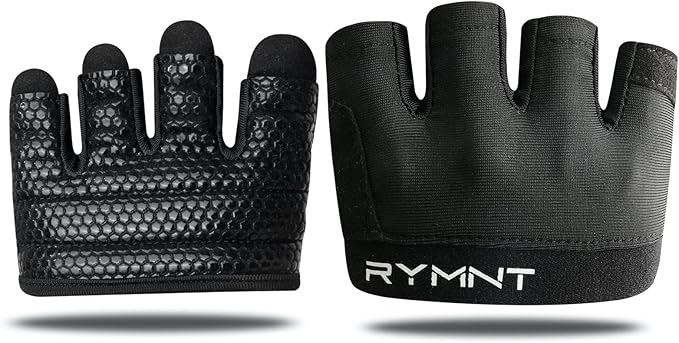
Protects palms during vault work and wall contact while maintaining finger dexterity for precise grips. Wrist wraps provide stability during impact landings without the bulk of full gloves.
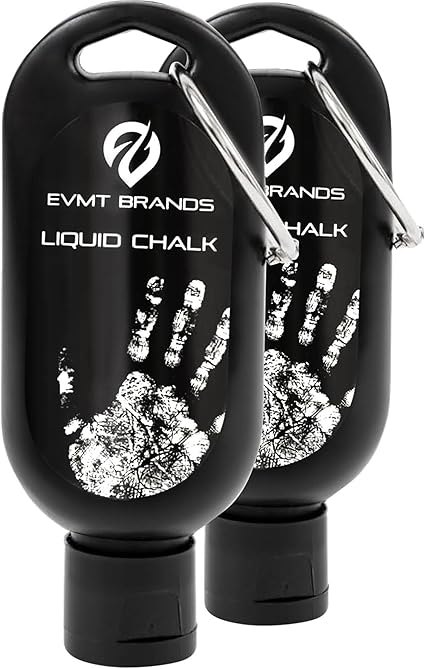
Critical for maintaining grip on metal bars in humid conditions or during extended hanging work. Liquid chalk creates less mess than powder but provides the same friction enhancement.
As an Amazon Associate I earn from qualifying purchases. Prices may change.
Step-by-Step Guide
Scout and map your urban training zone
Find a park, plaza, or underpass with varied surfaces and structures at different heights—low walls between 12-36 inches, horizontal bars, flat raised platforms, and open ground space. Check surface conditions closely: cracked concrete and slippery metal will end your session before it starts.
💡 Pro Tips:
- • Train during low-traffic hours; early morning offers cooler temps and a city that belongs to you
- • Look for locations with multiple surfaces: grass for rolling practice, concrete for precision, metal rails for grip work
Warm up with quadrupedal ground movement
Spend 10 minutes on bear crawls, crab walks, and lizard crawls across different surfaces. This activates stabilizer muscles and tests grip. Your wrists will tell you if you're ready for more demanding work.
💡 Pro Tips:
- • Don't skip this—concrete doesn't forgive sloppy landings the way rubber gym mats do
Build precision footwork and landing mechanics
Set two markers 3-4 feet apart and jump from standing, landing both feet precisely on the target with soft, controlled impact. Gradually increase distance as your landings become silent. This is the foundation for vault work and protects your knees during dynamic movements.
Progress through vaults on low obstacles
Start with safety vaults over knee-height objects—two hands on top, legs swing to the side. Once the movement feels automatic, progress to speed vaults with one hand and more dynamic flow. Never increase height until the lower version is smooth and effortless.
💡 Pro Tips:
- • That waist-high concrete planter is your box; the slight incline on that handicap ramp offers the perfect angle for decline push-ups
Work upper body bar progressions
Find a horizontal bar at chest height and build from dead hangs (grip endurance) to scapular pulls (shoulder activation) toward full pull-ups. Use inverted rows under lower bars to build back strength if you can't manage pull-ups yet. Awning support bars and park structures become your equipment.
💡 Pro Tips:
- • Support holds on raised platforms develop shoulder stability that carries over to everything else
Train balance, descents, and cool down
Walk heel-to-toe along low walls and wide rails, adding quarter turns and backwards movement. Practice controlled descents from waist-to-chest high platforms, absorbing impact through bent legs and landing silently. Finish with 10 minutes stretching hips, ankles, wrists, and shoulders—urban training taxes joints differently than gym work.
💡 Pro Tips:
- • Ten minutes of stretching now prevents weeks of recovery later
Gear Up for Your Quest
The gear that makes this quest work.
Pull it off

Minimalist Training Shoes with Wide Toe Box
Thin soles provide ground feel essential for precision landings and balance work. Wide toe box allows natural foot splay for stability. Regular athletic shoes have too much cushioning that masks poor landing mechanics.
+ complete the kit — 3 more

Fingerless Training Gloves with Wrist Wraps
RecommendedProtects palms during vault work and wall contact while maintaining finger dexterity for precise grips. Wrist wraps provide stability during impact landings without the bulk of full gloves.
Synthetic leather gloves with padded palms, exposed fingers for grip sensitivity, and integrated wrist support straps
Get on Amazon · $13.98 — Fingerless Training Gloves with Wrist Wrapsdetails & deals →
Chalk Block or Liquid Chalk
RecommendedCritical for maintaining grip on metal bars in humid conditions or during extended hanging work. Liquid chalk creates less mess than powder but provides the same friction enhancement.
Magnesium carbonate in solid block or alcohol-suspended liquid form
Get on Amazon · $15.95 — Chalk Block or Liquid Chalkdetails & deals →
Transforms any fixed point into a mobility station. Use for assisted pull-up progressions, shoulder activation drills, and hip flexor work. Fabric bands don't roll or snap like latex versions.
Set of 3-5 fabric loop bands in varying resistances, typically 12-inch circumference
Get on Amazon · $19.97 — Resistance Band Set (Fabric Loop Bands)details & deals →RELATED GEAR GUIDE
Urbex Gear List 2026: The 7 Essentials We Actually Carry
Field-tested picks · Urban Exploration
As an Amazon Associate, IRL Sidequests earns from qualifying purchases at no extra cost to you.
Prices and availability are subject to change. The price shown at checkout on Amazon at the time of purchase will apply.
Editor's Picks
Hand-selected quests our team thinks you'll love

Urban Food & Beverage Culture Quest
The best food in your city isn't on Yelp's front page—it's where rent is cheap and menus aren't in English.

Historical Walking Tour: Read Your City's Hidden Stories
Every sidewalk crack has a story—you just need to know where to look.

Architecture Scavenger Hunt: Decode Your City's Hidden Design Language
That building you pass every day? It's been screaming details at you that you've never noticed.