Urban Fitness & Movement Culture - Personal Growth quest for Beginner level adventurers

Urban Fitness & Movement Culture

Every city block is a gym if you know where to look.

Share:
3 supplies needed· Estimated total: Free
View supplies

About This Quest

Learn street workout fundamentals, parkour techniques, and outdoor fitness through urban environments using public infrastructure as your gym.

Urban fitness isn't about branded gyms or monthly memberships. It's about finding that perfect pull-up bar under a highway overpass at 6 AM, or spotting the concrete ledge that's exactly the right height for box jumps. The movement culture lives in skateparks after dark, in abandoned lots where crews practice precision jumps, and along riverfronts where morning runners transition into full workout routines using benches and railings. This quest teaches you to read your environment differently. That three-foot wall becomes a vault practice spot. The steps at the library turn into a cardio pyramid circuit. Horizontal bars at playgrounds transform into dip stations and leg raise setups. You'll learn basic calisthenics progressions, proper landing mechanics for jumps, and how to string movements together into flowing sequences. The best part? The concrete doesn't judge your form, and the metal bars never close. Start with reconnaissance. Walk your neighborhood between 7-9 AM or 5-7 PM to see where the real practitioners train. They're at the spots with worn paint on rails, chalk marks on concrete, and that particular scuff pattern under pull-up bars. These are your people, and they'll teach you more in ten minutes than any Instagram fitness guru ever will.

Why This Quest Matters

You'll discover that the city itself has been training you all along—every wall, rail, and staircase suddenly readable as equipment. The concrete never judges your form, the bars never close, and the practitioners who train at dawn will teach you more in ten minutes than a year of algorithm-fed videos. Your body becomes fluent in a language most people never learn to speak.

What You'll Experience

  • How to read urban architecture as workout equipment
  • Calisthenics progressions from dead hangs to full pull-ups
  • Proper landing mechanics and basic parkour movements
  • Circuit design that reveals your actual weak points
  • The unwritten etiquette of outdoor training communities
Duration
90 minutes per session
Estimated Cost
Free
Location
Outdoor
Season
Year-round
Family Friendly
All ages welcome

What You'll Need

Top gear to make this quest great.

Fabric resistance loop bands (set of 3)
Fabric resistance loop bands (set of 3)Popular

Enables pull-up progressions, adds resistance to bodyweight movements, and assists with mobility work. Fabric won't snap like latex. Fits in your pocket.

$19.97
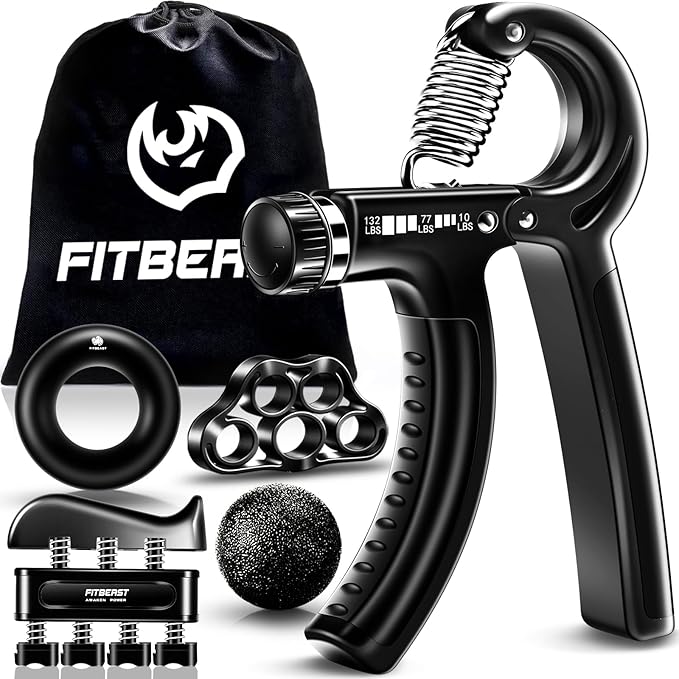
Grip strengthener trainer (adjustable resistance)

Builds forearm endurance for extended bar work and prevents grip failure before your pulling muscles fatigue. Use during rest periods or while commuting.

$16.99
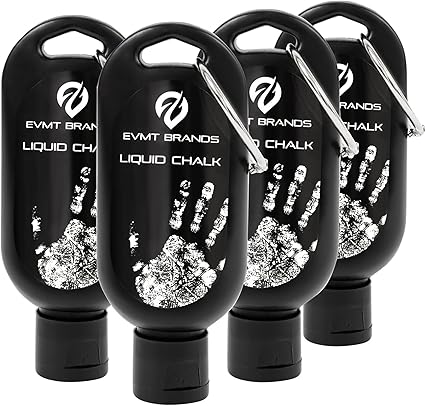
Liquid chalk for outdoor use

Dries instantly without the mess of powder chalk, crucial for humid conditions or wet bars. One application lasts 45+ minutes. Most outdoor spots don't provide this.

$22.95

As an Amazon Associate I earn from qualifying purchases. Prices may change.

Step-by-Step Guide

1

Map your training territory

Walk a 15-minute radius from home and hunt for sturdy horizontal bars, 2-4 foot walls, stair sets with 10+ steps, and flat ground. Test every bar's stability before trusting it with your weight. Mark 3-5 spots you can rotate through to avoid wearing out one location.

💡 Pro Tips:

  • Train during rush hours (7-9 AM or 5-7 PM) to spot where experienced practitioners already work out—look for worn paint on rails and chalk marks
  • Playground equipment designed for kids often handles adult weight better than you'd expect
2

Build ground-level foundations

Drill proper squat form for 50 reps, push-ups at full range for 3 sets to failure, and hollow body holds for 3x30 seconds. Your form beats your rep count every time. Film yourself or find someone who'll yell when your hips sag or your chest doesn't touch the ground.

💡 Pro Tips:

  • The hollow body hold (pressed lower back, raised shoulders and feet) builds the core tension that makes every other movement safer
3

Progress toward pull-ups systematically

Start with dead hangs (3x20 seconds) to build grip. Graduate to negative pull-ups: jump to the top position, then lower yourself over 5 seconds for 5 reps. If you find a low bar, Australian pull-ups (body at angle, feet on ground) bridge the gap. Run 3 sets to failure whatever your level.

4

Learn parkour basics safely

Practice precision jumps between curbs or painted lines before attempting anything elevated. Drill forward rolls and shoulder rolls on grass until they're reflex. Master the two-foot landing—bent knees, quiet contact—for 20 reps. Automatic landing mechanics prevent ankle injuries when you graduate to walls and rails.

💡 Pro Tips:

  • A loud landing means your joints absorbed impact poorly; keep practicing until you land like a cat
5

String moves into timed circuits

Build a flow: 10 pull-ups, sprint 100 meters to stairs, 20 alternating step-ups, bear crawl to a wall, 10 wall jumps touching the top, 20 dips, 30-second L-sit hold. Rest 90 seconds, then repeat for 3-4 rounds. Time it and beat your record next session.

💡 Pro Tips:

  • Your weakest movement will bottleneck the circuit—that's the one to drill separately
  • Circuits reveal cardio gaps that isolated strength work hides
6

Earn your spot in the crew

When you see experienced people training, watch first. Between their sets, try 'Mind if I work in?' or compliment a clean transition. Share equipment, spot when asked, clean up your chalk. Skill earns respect, but humility earns teaching—and the real knowledge lives in those five-minute conversations between sets.

💡 Pro Tips:

  • Document your baseline: video your max pull-ups, max dips, and a 30-second flow. Check monthly to see if your programming actually works
Full gear guide
Journaling & Habit Kit: 10 Picks That Build the Habit
See all picks →

Gear Up for Your Quest

Get everything you need to make this quest amazing.

Fabric resistance loop bands (set of 3)

Fabric resistance loop bands (set of 3)

EssentialPopular
$19.97
★★★★★4.7 (2,973)

Enables pull-up progressions, adds resistance to bodyweight movements, and assists with mobility work. Fabric won't snap like latex. Fits in your pocket.

Continuous loop bands in light, medium, heavy resistance (not latex tubes)

Get on Amazon · $19.97

Grip strengthener trainer (adjustable resistance)

Grip strengthener trainer (adjustable resistance)

Recommended
$16.99

Builds forearm endurance for extended bar work and prevents grip failure before your pulling muscles fatigue. Use during rest periods or while commuting.

Spring-loaded or adjustable resistance hand gripper rated 50-150 lbs

Get on Amazon · $16.99

Liquid chalk for outdoor use

Liquid chalk for outdoor use

Recommended
$22.95
★★★★★4.6 (4,099)

Dries instantly without the mess of powder chalk, crucial for humid conditions or wet bars. One application lasts 45+ minutes. Most outdoor spots don't provide this.

Alcohol-based liquid magnesium carbonate in squeezable bottle

Get on Amazon · $22.95

Parkour training app (FreeRunning or similar)

Parkour training app (FreeRunning or similar)

Recommended
$0

Provides proper technique demonstrations for vaults, precision jumps, and safety rolls. Tracks training consistency and offers structured programs. Most include spot location sharing.

Mobile app with tutorial videos, progression tracking, and movement breakdowns from professional traceurs

RELATED GEAR GUIDE

Journaling & Habit Kit: 10 Picks That Build the Habit

Field-tested picks · Personal Growth

As an Amazon Associate, IRL Sidequests earns from qualifying purchases at no extra cost to you.

Prices and availability are subject to change. The price shown at checkout on Amazon at the time of purchase will apply.