IRL Sidequests
Urban Exploration Gear & Equipment Mastery - Urban Exploration quest for Intermediate level adventurers

Urban Exploration Gear & Equipment Mastery

The difference between safe exploration and a hospital visit often comes down to three pieces of gear most beginners skip.

About This Quest

Master the equipment and gear selection for safe, legal urban exploration. Learn what works in abandoned spaces, industrial sites, and forgotten structures.

I've tested gear in condemned hospitals, rusted factories, and collapsed theaters across fourteen states. Most urbex guides tell you to bring a flashlight and good boots—no shit. What they don't mention is the specific equipment that keeps you safe when floors give way, air quality drops, or you need to document structural hazards for authorities. This isn't about looking tactical or cosplaying as an explorer. It's about understanding load distribution, redundant safety systems, and the specific challenges of navigating spaces that weren't designed for human occupation anymore. The concrete dust in a collapsing parking garage requires different respiratory protection than mold spores in a water-damaged apartment complex. Your gear choices should reflect the specific environments you're entering. After seven years and over 200 locations, I've narrowed down the equipment that actually matters. This quest walks you through gear selection, testing protocols, and the maintenance routines that keep equipment functional when you're three floors deep in a structure with questionable stability. You'll learn what works through hands-on evaluation, not Instagram aesthetics.

Duration
2-3 hours
Estimated Cost
$60+
Location
Both
Season
Year-round

Step-by-Step Guide

1

Start with respiratory protection testing: Visit a hardware store and test-fit at least five different respirator models with P100 filters. Your face seal matters more than brand name. Wear each for 15 minutes while moving around. The right respirator shouldn't fog safety glasses, shouldn't slip when you look down, and shouldn't create pressure points on your nose bridge. Document which models work for your face shape.

2

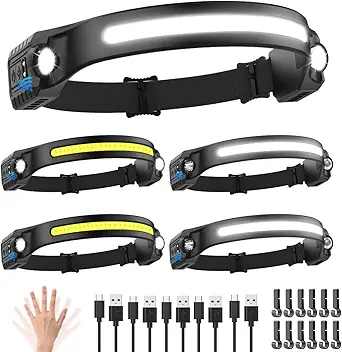
Build your lighting redundancy system: Never rely on a single light source. Test a primary headlamp (300+ lumens, red light mode for night vision preservation), a backup handheld torch (rechargeable, impact-resistant to 2 meters), and a small keychain light as tertiary backup. Walk through your home with lights off, using only your headlamp. Practice switching between white and red modes without looking at controls. Time how long it takes to switch to backup light when primary fails.

3

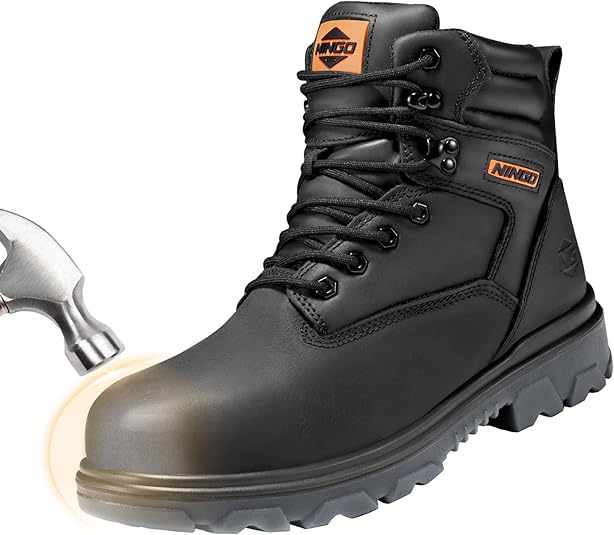
Test your footwear on varied surfaces: Find a construction site, gravel lot, or demolished area (legally accessible). Wear your urban exploration boots and walk across metal grating, loose rubble, angled concrete, and wet surfaces. Your boots need ankle support for twisted debris, puncture-resistant soles for nails and rebar, and grip that works on oily metal. If you slip on wet metal or feel rocks through the sole, your boots aren't adequate. Document specific failure points.

4

Create your documentation kit: Assemble a chest-mounted action camera setup (leaves hands free), a rugged point-and-shoot backup camera, and a voice recorder for hazard notes. Practice operating all devices with work gloves on. Enter a dark closet and document everything you find using only your headlamp and cameras. Review footage for clarity, lighting quality, and whether your audio captured important details. Adjust mounting positions until you can document hands-free while climbing.

5

Build your first aid and emergency kit specific to structural hazards: Include Israeli bandages for puncture wounds, saline for eye irrigation (concrete dust and rust particles), emergency whistle, backup phone battery, and downloaded offline maps of your exploration area. Add a small pry bar (doubles as stability tester and emergency tool). Practice accessing each item while wearing gloves and in low light. Time yourself: you should reach any item in under 10 seconds.

6

Test your load distribution system: Load all gear into a low-profile backpack or chest rig. Total weight should stay under 15 pounds for mobility. Walk up and down stairs for 20 minutes. Your gear shouldn't shift, bounce, or throw off your balance. Practice dropping to a crouch quickly—your pack shouldn't hit your head or restrict movement. Rearrange items until weight sits on your hips, not shoulders.

7

Conduct a full gear function check in realistic conditions: Visit a multi-level parking garage at night (public, legal access). Navigate from top to ground level using only your gear. Test headlamp battery life, respirator comfort during exertion, boot grip on ramps, and camera operation in darkness. Note any gear failures, discomfort, or accessibility issues. This is your baseline gear audit—repeat quarterly.

8

Develop your pre-exploration gear ritual: Create a checklist covering every item, plus function tests (lights turn on, respirator seals, cameras charged, boots laced properly). Practice this ritual until it takes under 5 minutes. Muscle memory prevents forgotten gear and catches equipment failures before you're inside a structure. Document your ritual on your phone's voice recorder, then transcribe it as your personal pre-entry protocol.

Gear Up for Your Quest

Get everything you need to make this quest amazing.

Half-Face Respirator with P100 Filters

Essential
$35-50

Reusable respirator with replaceable P100 particulate filters rated for asbestos, lead, mold, and fine dust particles

Get This Item

Rechargeable LED Headlamp (500+ lumens, Red Light Mode)

Essential
$40-65

Hands-free headlamp with high-output main beam, red light for night vision preservation, and multiple brightness settings with 6+ hour runtime

Get This Item

Steel Toe Boots with Puncture-Resistant Sole

Essential
$80-140

ASTM-rated safety boots with puncture plate, ankle support, and aggressive tread pattern for metal and concrete grip

Get This Item

Chest-Mounted Action Camera with Head Strap

Recommended
$80-200

Waterproof action camera with chest harness or head mount, 2+ hour battery life, and image stabilization

Get This Item

Portable Air Quality Monitor

Optional
$120-180

Handheld detector measuring VOCs, particulate matter (PM2.5/PM10), carbon monoxide, and humidity levels with real-time alerts

Get This Item

💙 Shopping through these links helps support IRL Sidequests at no extra cost to you. Thanks for making adventures possible!