Urban Exploration Activities Hub: Discover Hidden City Layers - Urban Exploration quest for Intermediate level adventurers

Urban Exploration Activities Hub: Discover Hidden City Layers

Your city has a second map that 99% of people never see—here's how to read it.

Share:
4 supplies needed· Estimated total: $60+
View supplies

About This Quest

Transform your city into an exploration ground by hunting abandoned structures, rooftop access points, utility tunnels, and architectural anomalies most locals never notice.

Most people walk the same fifteen city blocks their entire lives. Urban exploration flips that script—you're looking for the gaps between official spaces, the buildings that got left behind when money moved out, the rooftops with ladder access that maintenance crews use. This isn't about breaking into occupied spaces or vandalizing property. It's about documenting transition zones, understanding city infrastructure layers, and seeing how architecture decays when humans stop intervening. The best urbex targets reveal themselves through small details: a door that doesn't quite close, rust patterns that indicate abandoned water systems, or construction permits that expired three years ago. Morning sessions work best—fewer people ask questions when you're photographing a warehouse district at 7AM. You'll develop a specific scanning pattern: ground-level entry points, external fire escapes, adjacent building connections, and always two exit routes before you enter any structure. This hub operates as your systematic approach to urban exploration—combining reconnaissance techniques, safety protocols, and documentation methods. You're building a private archive of spaces in transition, capturing the exact moment between functional and forgotten. Some explorers focus on industrial sites, others on mid-century commercial buildings. Your city's specific history determines what you'll find—textile mills in the Northeast, oil infrastructure in Texas, Cold War bunkers near military bases.

Duration
3-6 hours per session
Estimated Cost
$60+
Location
Outdoor
Season
Year-round

What You'll Need

Top gear to make this quest great.

Tactical LED Headlamp with Red Light Mode
Tactical LED Headlamp with Red Light ModePopular

Abandoned buildings have zero ambient light in interior spaces. Red light mode lets you navigate without destroying your night vision or announcing your presence through windows. The hands-free aspect is critical when you need to steady yourself on uneven surfaces.

$35-60
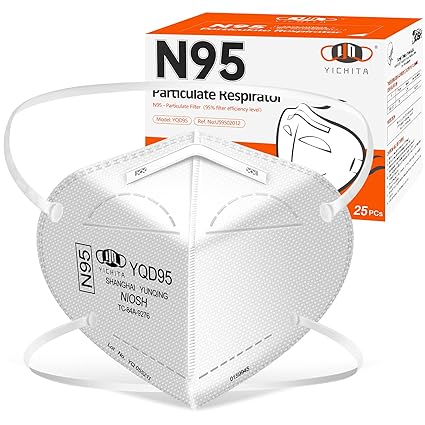
Respirator Mask (N95 or P100 rated)

Abandoned structures contain decades of accumulated particulates, mold growth, and potentially asbestos materials. Surgical masks don't cut it—you need proper filtration that seals around your face to avoid respiratory damage from repeated exposures.

$15-45
Wide-Angle Lens Attachment (12-24mm equivalent)

Tight interior spaces and dramatic architectural shots require wider field of view than standard lenses provide. Captures the spatial relationship between decay, structure, and light that defines quality urbex photography.

$80-200
View all 4 supplies

As an Amazon Associate I earn from qualifying purchases. Prices may change.

Step-by-Step Guide

1

Research phase: Spend two hours on property databases, historical archives, and city planning documents. Look for buildings with expired permits, upcoming demolition notices, or ownership transfers. Cross-reference with satellite imagery to identify access points and current security status.

2

Physical reconnaissance: Drive or bike past three identified targets during different times of day. Note security patrols, nearby businesses, foot traffic patterns, and visible camera placements. Document with basic phone photos from public spaces—you're establishing baseline conditions before any closer approach.

3

Legal check: Verify property ownership and posted signage. Understand the difference between trespassing (civil issue) and breaking/entering (criminal). Most urbex operates in gray zones—abandoned doesn't mean legal access. Know your local laws and decide your personal risk tolerance.

4

Gear preparation: Pack your entry kit the night before—headlamp with red light mode, dust mask rated N95 or better, tactical gloves with grip coating, and basic first aid supplies. Test your phone's offline mapping and ensure your camera has fresh batteries. Leave unnecessary wallet contents and ID copies at home.

5

Entry approach: Arrive during shift-change hours when security attention gaps occur—typically 3-4PM or 11PM-midnight. Walk with purpose like you belong there. Use existing gaps rather than creating damage. Never force locks or break windows—if you can't enter through an open access point, the location isn't ready for exploration.

6

Interior navigation: Give your eyes three minutes to adjust before moving. Stay along walls where floor structures are strongest. Test flooring with weight shifts before committing full steps. Watch for asbestos indicators—friable insulation, certain tile patterns, pipe wrapping. If you see white fiber material, exit immediately.

7

Documentation method: Shoot in RAW format if possible. Capture wide establishing shots, detail shots of decay patterns, and architectural elements that reveal the building's original function. The morning light hits east-facing brick best between 8-9AM, creating dramatic texture contrast. Avoid flash—it kills depth and attracts attention.

8

Exit protocol: Leave zero trace of your presence. Don't disturb artifacts, spray paint tags, or rearrange objects for photos. Take the same route out unless conditions have changed. If you encounter security, comply immediately and don't run—that elevates the situation from trespass to potential criminal charges.

9

Post-exploration review: Download and back up all photos within 24 hours. Log the location details privately—don't geolocate abandoned sites publicly as that attracts both crowds and increased security. Note structural concerns, interesting architectural features, and potential return value.

10

Community connection: Join local urbex forums but verify members before sharing specific locations. The community has its own ethics code—respect photographers who share spots by keeping them quiet. Learn from experienced explorers who know which sites have become unsafe or over-visited.

Gear Up for Your Quest

Get everything you need to make this quest amazing.

LHKNL Headlamp Flashlight, Lumen Ultra-Light Bright LED Rechargeable Headlight with White Red Light, 2-Pack Waterproof Motion Sensor Head Lamp,8 Modes for Outdoor Camping Running Hiking Fishing

Tactical LED Headlamp with Red Light Mode

EssentialPopular
$19.99
★★★★★4.5 (34,170)

Abandoned buildings have zero ambient light in interior spaces. Red light mode lets you navigate without destroying your night vision or announcing your presence through windows. The hands-free aspect is critical when you need to steady yourself on uneven surfaces.

Hands-free illumination system with multiple brightness settings and red light preservation mode for night vision adaptation

Get on Amazon · $19.99

YQ YICHITA N95 Mask NIOSH Approved 25-Pack, Particulate Respirator N95 Face Masks Universal Fit - Individually Wrapped

Respirator Mask (N95 or P100 rated)

Essential
$24.99
★★★★4.3 (5,407)

Abandoned structures contain decades of accumulated particulates, mold growth, and potentially asbestos materials. Surgical masks don't cut it—you need proper filtration that seals around your face to avoid respiratory damage from repeated exposures.

Particulate filtering respirator rated for asbestos, mold spores, and industrial dust protection

Get on Amazon · $24.99

Offline Mapping App with Cached Tiles

Offline Mapping App with Cached Tiles

Essential
$0

Many urbex locations have zero cell coverage due to interior concrete/metal construction. Pre-cached maps let you navigate complex warehouse districts and mark potential entry points without relying on live data connections.

Maps.me or Organic Maps with pre-downloaded city sections for GPS navigation without cell service


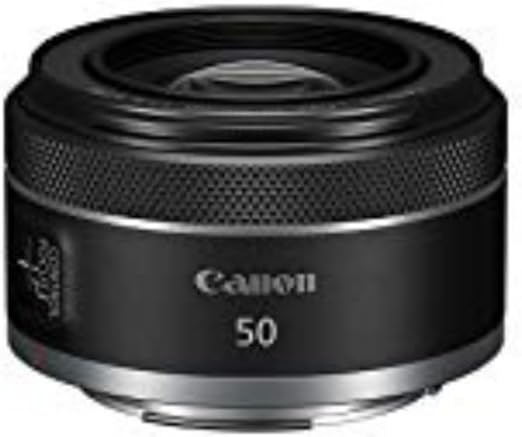
Canon RF50mm F1.8 STM Lens, Fixed Focal Length Prime Lens, Compatible with EOS R Series Mirrorless Cameras, Black

Wide-Angle Lens Attachment (12-24mm equivalent)

Recommended
$219.00
★★★★★4.7 (3,087)

Tight interior spaces and dramatic architectural shots require wider field of view than standard lenses provide. Captures the spatial relationship between decay, structure, and light that defines quality urbex photography.

Clip-on wide-angle lens for smartphones or dedicated wide-angle lens for mirrorless cameras

Get on Amazon · $219.00

KUMGIM Tactical Gloves for Men, Motorcycle Military Combat Gloves Black Airsoft Gloves Touchscreen for Airsoft Outdoor Hunting Shooting Paintball Work Motorcycling Climbing

Tactical Gloves with Textured Grip

Recommended
$17.99
★★★★★4.5 (1,404)

You're handling rusted metal, broken glass, and deteriorated surfaces constantly. These protect against cuts while maintaining dexterity for camera operation and ladder climbing. Touchscreen fingers mean you don't remove them to adjust settings.

Cut-resistant gloves with rubberized palm grip and touchscreen-compatible fingertips

Get on Amazon · $17.99

As an Amazon Associate, IRL Sidequests earns from qualifying purchases at no extra cost to you.

Prices and availability are subject to change. The price shown at checkout on Amazon at the time of purchase will apply.