Your city is a living ecosystem—time to map how it actually breathes, drinks, and survives.
Track water systems, document green infrastructure, and map urban wildlife corridors in your neighborhood. Hands-on sustainability research that reveals how your city actually works.
Most people walk past their city's ecological infrastructure without seeing it. The green roofs filtering rainwater. The street trees reducing heat islands by 15 degrees. The concrete channels that used to be streams. This quest turns you into an urban ecology detective, mapping the hidden systems that make your city livable—or expose where it's failing. You'll track three layers: water infrastructure (where rain goes, how your city handles flooding), green systems (street trees, rain gardens, green roofs, community gardens), and wildlife corridors (the surprising routes birds, pollinators, and urban animals use). The goal isn't just observation—you're creating a field report that documents what's working and what's broken. I spent three hours in Portland's Pearl District and discovered that four blocks had zero stormwater management while two blocks over, bioswales were handling thousands of gallons during storms. This isn't theoretical sustainability—it's forensic work. You'll see the difference between cities that treat nature as decoration versus infrastructure. You'll find the gaps where heat islands form, flooding happens, or wildlife gets trapped. And you'll understand your neighborhood's ecological reality better than 99% of residents. Bring documentation tools and prepare to look at familiar streets completely differently.
Top gear to make this quest great.

Reveals heat islands, shows 20-40 degree temperature differences between green spaces and concrete, documents cooling effects of street trees. Makes invisible ecological problems visible and quantifiable.

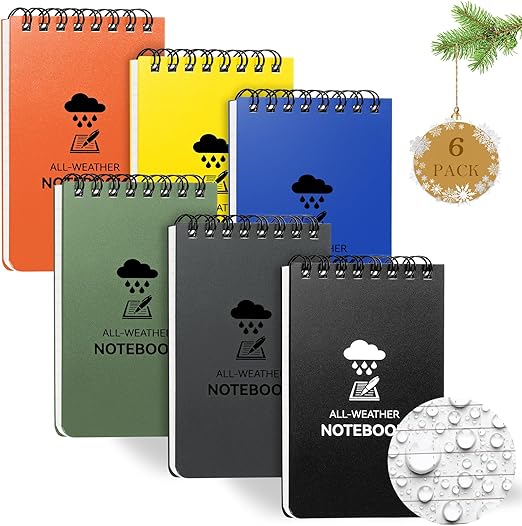
Lets you sketch maps and take notes in any conditions (sudden rain is common during water infrastructure observation). Grid pages allow proportional mapping. Won't turn to mush like regular notebooks.

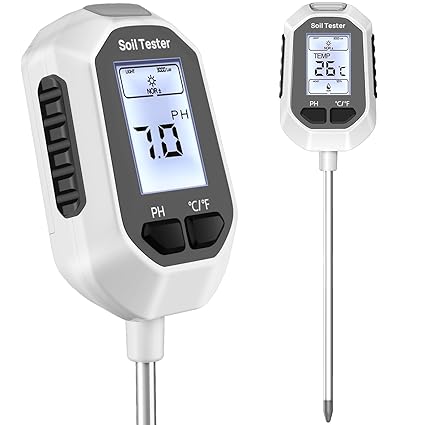
Tests whether urban soil can actually support vegetation, reveals contamination or neglect issues, helps assess quality of green infrastructure beyond surface appearance.
As an Amazon Associate I earn from qualifying purchases. Prices may change.
Choose a 6-8 block radius in your neighborhood. Start early morning when you can see wildlife activity and have good natural light for documentation.
Map water systems first: Follow where rain goes. Document storm drains, catch basins, any visible water channels. Mark areas with standing water after rain (check weather history). Look for bioswales, rain gardens, permeable pavement—or lack thereof. Photograph concrete channels that look like former creeks.
Document green infrastructure: Count street trees by species if possible (look for ID tags). Map green roofs, community gardens, pocket parks. Use your thermal scanner to compare surface temperatures between concrete, asphalt, and green spaces—the differences are dramatic. Note which blocks have zero tree cover.
Track wildlife corridors and biodiversity: Observe bird routes—they follow specific paths between feeding and nesting areas. Document pollinator gardens, native plantings, or invasive species dominance. Look for wildlife crossing points (under fences, through alleys). Morning is crucial for this—I've spotted hawks, coyotes, and dozens of bird species in dense urban cores.
Identify failure points: Mark heat islands (usually parking lots, wide streets with no shade). Document areas where flooding occurs (ask locals, look for water stains on buildings). Find food deserts—blocks with no grocery access. Note stormwater going directly to drains without filtration.
Create your field report: Compile findings with photos, GPS coordinates, and observations. Calculate green space percentage, tree canopy cover estimate, and water management grade (A-F). Write specific recommendations: 'This parking lot could become a rain garden', '200 feet of street has no tree canopy and hits 130°F in summer'.
Share findings with local sustainability groups or city planning departments. Post your map publicly. The best urban ecology work creates pressure for actual infrastructure changes.
Get everything you need to make this quest amazing.
Instantly identifies plants, insects, birds, and animals. Creates scientific-grade biodiversity documentation. Contributes to global research databases. Essential for tracking what species actually survive in your urban ecosystem.
AI-powered species identification app with community verification

Reveals heat islands, shows 20-40 degree temperature differences between green spaces and concrete, documents cooling effects of street trees. Makes invisible ecological problems visible and quantifiable.
FLIR or similar thermal camera attachment that connects to your phone
Get on Amazon · $129.00
Lets you sketch maps and take notes in any conditions (sudden rain is common during water infrastructure observation). Grid pages allow proportional mapping. Won't turn to mush like regular notebooks.
Rite in the Rain or similar all-weather notebook with grid paper
Get on Amazon · $11.99
Tests whether urban soil can actually support vegetation, reveals contamination or neglect issues, helps assess quality of green infrastructure beyond surface appearance.
Handheld probe for testing soil conditions in parks and green spaces
Get on Amazon · $32.98As an Amazon Associate, IRL Sidequests earns from qualifying purchases at no extra cost to you.
Prices and availability are subject to change. The price shown at checkout on Amazon at the time of purchase will apply.
Hand-selected quests our team thinks you'll love

Every sidewalk crack has a story—you just need to know where to look.

That building you pass every day? It's been screaming details at you that you've never noticed.

Your city has layers most people never see—here's how to peel them back.