The city moves at grid speed—you'll learn to move through it like water.
Master city cycling through strategic route planning, mobility integration, and urban infrastructure literacy across diverse metro environments.
This isn't about leisure rides through parks. Urban cycling is reading the city as a system—understanding how delivery trucks double-park between 2-4PM, why certain bike lanes vanish mid-block, where the pavement transitions from smooth asphalt to brick that rattles your fillings. You'll map three distinct route types: the commuter corridor (fastest point-to-point with minimal stops), the errand circuit (optimized for 4+ stops with secure lock points), and the infrastructure audit (documenting gaps, hazards, and design failures in your city's cycling network). The real skill is mobility integration—knowing when cycling is actually slower than bus-to-metro transfers, where bike-share stations cluster versus personal bike advantages, how weather shifts your mode choice hour by hour. You'll track transit schedules against your pedaling pace, test folding bike logistics on subway cars during rush hour, and map the invisible network of bike-friendly businesses with pumps and repair stands. By quest end, you'll navigate your city with the efficiency of a courier and the spatial literacy of an urban planner. This hub synthesizes five years of daily city cycling across eight metros. The tactics work whether you're dodging potholes in Boston, navigating painted bike lanes in LA that cars ignore, or using protected infrastructure in Montreal. You'll finish with custom route sets, multimodal contingency plans, and the ability to read a streetscape for cycling viability within thirty seconds.
Top gear to make this quest great.

City cycling happens in shadow canyons between buildings and through poorly lit underpasses. A 500-lumen front light makes you visible to turning drivers and illuminates pothole hazards at speed. The rear flasher creates recognition distance that cheap lights never achieve. Both lights need tool-free mounting for theft prevention.

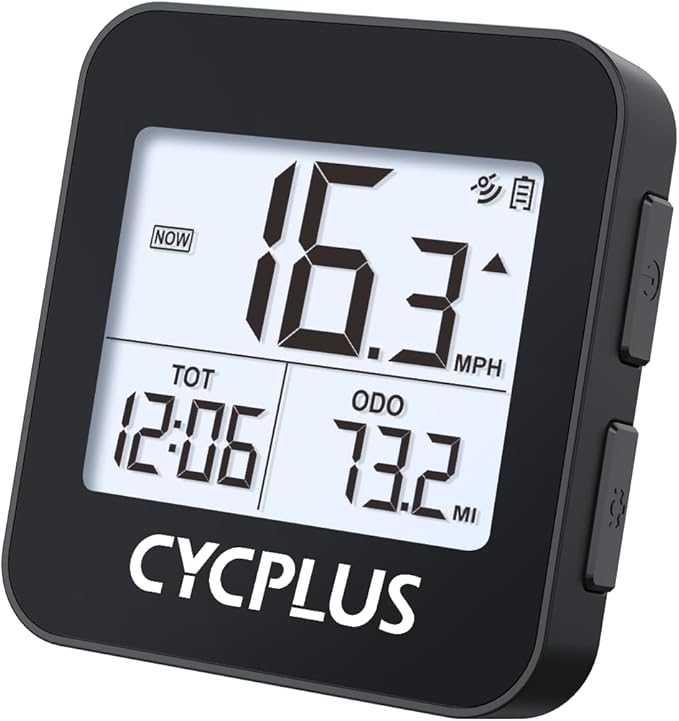
Captures precise route data, elevation profiles, and speed variations that smartphone apps drain batteries to achieve. Waterproof and handlebar-mounted for constant visibility without stopping to check directions.

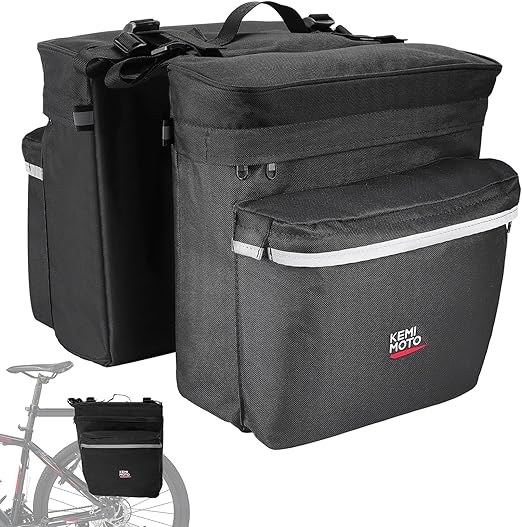
Turns your bike into actual transportation infrastructure rather than exercise equipment. Carrying groceries, work gear, or packages in balanced panniers maintains handling stability and frees your back from sweaty backpack syndrome. Essential for the errand circuit optimization phase.
As an Amazon Associate I earn from qualifying purchases. Prices may change.
Baseline Route Mapping: Identify 8-12 destinations you visit weekly (work, grocery, gym, social spots). Mark them on a physical or digital map, then draw three route options between your home and each spot—direct/fast, safe/protected, and scenic/low-stress. Note block-by-block surface quality, traffic signals, and parking patterns.
Infrastructure Literacy Ride: Spend 90 minutes cycling a 3-mile radius from home at off-peak hours. Document every bike lane type (painted, buffered, protected), crossing design (bike boxes, crossbike signals, nothing), and pavement hazard (grates, potholes, streetcar tracks). Take photos at intersections where infrastructure suddenly disappears—these gaps reveal political priorities.
Rush Hour Stress Test: Cycle your commuter corridor during peak traffic (7:30-9AM or 5-6:30PM). Clock your actual travel time versus Google Maps estimates. Note where you're faster than cars (gridlock zones), slower (highway-speed arterials), and where you detour for safety. Track aggressive driver patterns by vehicle type—delivery vans and rideshares behave differently than personal cars.
Multimodal Integration Drill: Plan a trip requiring bike-to-transit transfer. Ride to a bus stop or metro station, practice the boarding sequence with your bike or folder, complete the transit leg, then cycle the final mile. Time the total journey versus bike-only and transit-only options. Identify stations with good bike parking versus sketchy racks you'd never use.
Errand Circuit Optimization: String together 4-6 stops (bank, post office, hardware store, café) and design the most efficient loop. Scout lock-up points at each location—you're looking for visible, high-traffic spots with sturdy racks. Bring a cargo setup (backpack, panniers, or basket) and test load management. Time your circuit and calculate cost savings versus driving and parking.
Weather Adaptation Protocols: Cycle the same route under three conditions—clear, rain, and near-freezing. Note how rain makes painted bike lanes slick as ice, how your braking distance triples on wet leaves, how visibility plummets in drizzle at dusk. Develop weather-triggered mode switches (light rain = cycle, heavy rain = bus, ice = stay home).
Night Navigation Tactics: Repeat your commuter corridor after dark. You'll discover intersections where streetlights create blind spots, where reflective paint helps or fails, and where you need redundant lighting because bike lanes disappear into shadow. Test your light setup's effectiveness from 50 feet back—can drivers actually see you?
Bike-Friendly Business Network: Map every shop, café, and business within cycling distance that offers air pumps, water refills, or allows bikes inside. Include libraries, community centers, and fire stations (many have pumps outside). Create a mental overlay of these resources for emergency repairs or weather shelter.
Traffic Pattern Analysis: Pick three intersections on your regular routes and observe them for 15 minutes each during different times. Count right-hook attempts (cars turning across bike lanes), dooring zone violations, and pedestrian conflicts. Learn to predict dangerous driver behavior based on vehicle positioning and turn signal timing.
Infrastructure Advocacy Documentation: Compile your hazard photos, gap maps, and near-miss reports into a single document. Share with your city's transportation department or local bike advocacy group. Your quest data becomes civic testimony—you're not just cycling, you're auditing public space design and demanding better.
Get everything you need to make this quest amazing.

City cycling happens in shadow canyons between buildings and through poorly lit underpasses. A 500-lumen front light makes you visible to turning drivers and illuminates pothole hazards at speed. The rear flasher creates recognition distance that cheap lights never achieve. Both lights need tool-free mounting for theft prevention.
High-output front light with 500+ lumens and flashing mode, plus bright rear light, both USB-rechargeable
Get on Amazon · $32.99
Captures precise route data, elevation profiles, and speed variations that smartphone apps drain batteries to achieve. Waterproof and handlebar-mounted for constant visibility without stopping to check directions.
Cycling-specific GPS unit or advanced bike computer with turn-by-turn navigation, route recording, and speed/distance tracking
Get on Amazon · $26.99
Turns your bike into actual transportation infrastructure rather than exercise equipment. Carrying groceries, work gear, or packages in balanced panniers maintains handling stability and frees your back from sweaty backpack syndrome. Essential for the errand circuit optimization phase.
Waterproof panniers or frame-mounted bags designed for urban errand hauling, with quick-release mounting
Get on Amazon · $35.99
Eliminates constant head-checking on high-traffic routes. The device tracks up to 8 vehicles simultaneously and distinguishes between cars passing safely versus those encroaching into your lane. Transforms situational awareness during rush hour navigation.
Radar unit that mounts under saddle and detects approaching vehicles from behind, alerting via handlebar display or paired app
Get on Amazon · $72.99
Creates visual evidence for your infrastructure audit and provides documentation if you're involved in near-miss situations or actual collisions. Footage proves invaluable when reporting hazards to city officials or advocating for better bike lane design. Also captures the sensory experience of different routes for later analysis.
Compact action camera for documenting routes, capturing infrastructure gaps, and recording traffic incidents
Get on Amazon · $19.95As an Amazon Associate, IRL Sidequests earns from qualifying purchases at no extra cost to you.
Prices and availability are subject to change. The price shown at checkout on Amazon at the time of purchase will apply.
Hand-selected quests our team thinks you'll love

Every sidewalk crack has a story—you just need to know where to look.

That building you pass every day? It's been screaming details at you that you've never noticed.

Your city has layers most people never see—here's how to peel them back.