IRL Sidequests
Urban Cycling & Micromobility Navigation - Urban Exploration quest for Beginner level adventurers

Urban Cycling & Micromobility Navigation

Turn your city into a two-wheeled playground where you know every shortcut, bike lane, and safe route by instinct.

About This Quest

Master city navigation on bikes, e-scooters, and micromobility devices. Learn traffic patterns, infrastructure reading, and efficient urban routing.

Your city looks completely different from a bike seat. Streets you've driven a hundred times reveal hidden connections, and that hellish traffic jam becomes a puzzle you can solve by cutting through the park path. Urban cycling isn't just about getting from A to B—it's about understanding how your city breathes, when the streets clear out, and where the smoothest pavement lives. The real skill is reading infrastructure like a local. You'll learn to spot the subtle differences between painted bike lanes (cars ignore these), buffered lanes (slightly better), and protected lanes (your highway). You'll discover that most cities have shadow networks of low-traffic residential streets that parallel the main roads, and that timing matters—the same route that's sketchy at 5 PM is empty at 10 AM. This quest teaches you to navigate confidently using any micromobility device: traditional bikes, e-bikes, e-scooters, or whatever comes next. You'll build mental maps of your city's cycling infrastructure, learn to predict driver behavior at intersections, and develop the street smarts that separate cautious beginners from efficient urban cyclists who arrive faster than cars stuck in gridlock.

Duration
2-3 hours per session
Estimated Cost
$60+
Location
Outdoor
Season
Year-round
Family Friendly
All ages welcome

Step-by-Step Guide

1

Start with infrastructure mapping: Spend your first session riding a 3-mile loop in your neighborhood at a relaxed pace. Note every type of bike facility—painted lanes, protected lanes, shared paths, sharrows. Take a mental snapshot of which streets feel safe and which make your shoulders tense.

2

Learn traffic light timing on your main commute route. Ride it three times at different speeds. Most cities sync lights for 25-30 mph car traffic, but you'll find the rhythm where you hit mostly greens at 12-15 mph. Some intersections have bike-specific signals that trigger 3-5 seconds before car lights.

3

Map your shadow network: For every major street you use, find the parallel residential route one block over. These streets often have speed bumps that slow cars to your pace. Ride both routes back-to-back and compare your average speed using your bike computer or phone GPS.

4

Practice intersection reading at five different types: four-way stops, signalized intersections, roundabouts, bike boxes, and right-turn lanes. Position yourself where drivers expect to see you. At right-turn lanes, either take the full lane early or wait behind the white line—never ride in a driver's blind spot.

5

Test pavement quality on all your routes after it rains. Wet pavement reveals every pothole, crack, and rough patch. Metal grates, painted crosswalks, and manhole covers become slick. Build a mental map of these hazards so you avoid them automatically.

6

Ride during different times: morning rush (7-9 AM), midday (11 AM-1 PM), evening rush (4-6 PM), and night (after 8 PM). Your safest routes change completely. That bike lane that's perfect at noon becomes a parking lot for delivery trucks during rush hour.

7

Learn the hand signals and use them aggressively. Left arm out for left turns, left arm bent up for right turns, left arm bent down for stopping. Make eye contact with drivers before you commit to any move. If they're looking at their phone, assume they don't see you.

8

Master the art of taking the lane when needed. Narrow streets, pothole zones, and areas with parked cars require you to ride in the center of the lane. Signal, check behind you, move confidently. Most drivers respect a cyclist who rides predictably in the lane more than one who hugs the curb.

9

Document your routes with notes about seasonal changes. That bike path through the park floods in spring, gets packed with tourists in summer, and ices over first in winter. Your mental map should include these temporal variations.

10

Join a local group ride once to learn the unwritten rules and discover routes you'd never find alone. Every city has weekly casual rides—search social media or local bike shops for schedules.

Gear Up for Your Quest

Get everything you need to make this quest amazing.

Bright Rechargeable Light Set

Essential
$40-80

High-lumen front light (400+ lumens) and rear red light with flash mode and USB charging

Get This Item

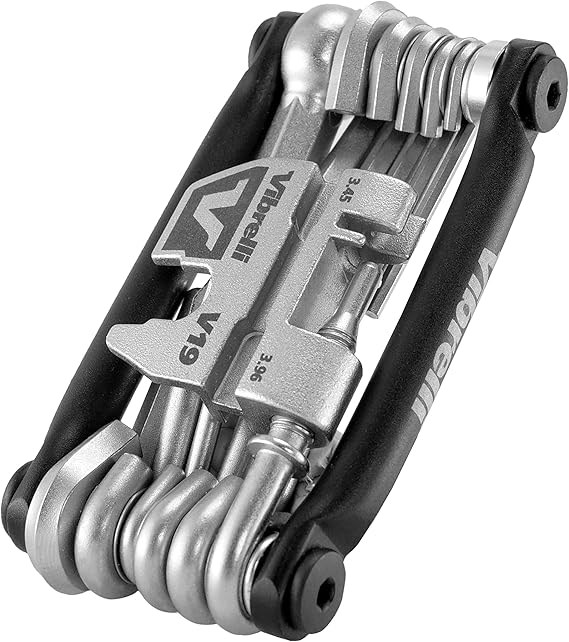
Compact Multi-Tool with Chain Breaker

Essential
$20-35

Portable tool set with hex keys, chain breaker, spoke wrench, and tire levers

Get This Item

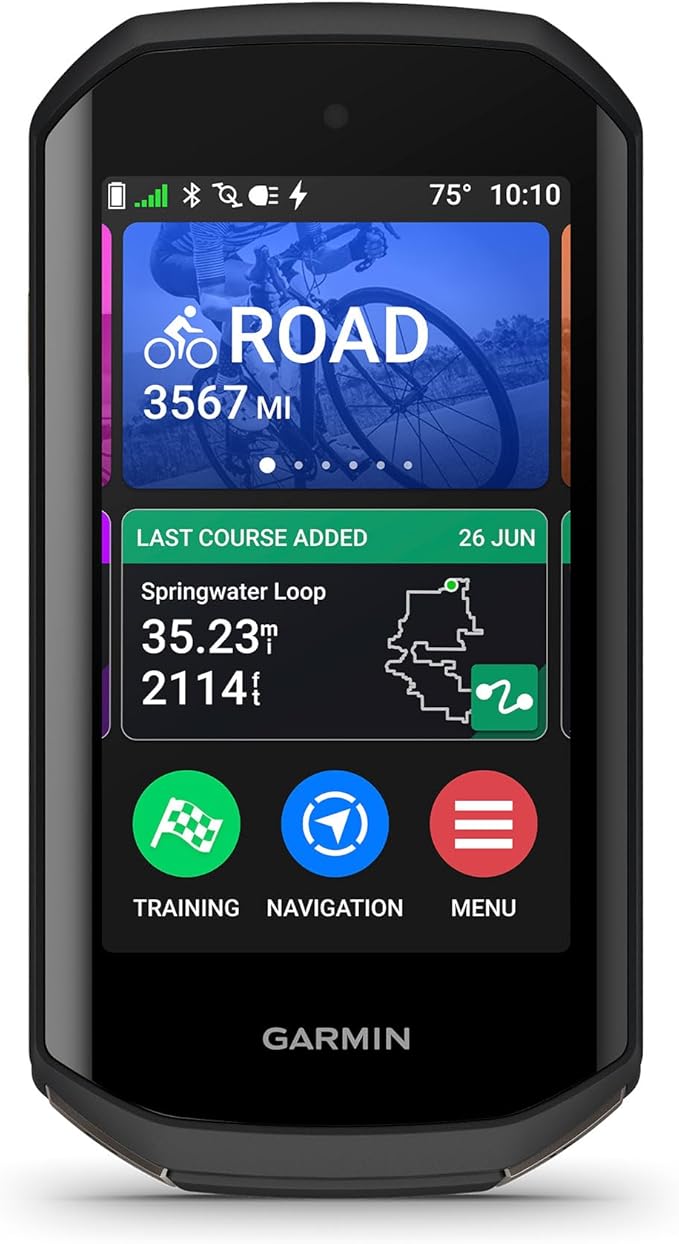
Bike Computer with GPS Navigation

Recommended
$50-150

Dedicated cycling GPS unit or quality bike computer with turn-by-turn navigation and speed/distance tracking

Get This Item

Handlebar-Mounted Phone Holder with Weatherproofing

Recommended
$25-45

Secure mount with quick-release mechanism and water-resistant case for using navigation apps

Get This Item

💙 Shopping through these links helps support IRL Sidequests at no extra cost to you. Thanks for making adventures possible!