Your city is already a gym—you just need to know which structures to use.
Convert city infrastructure into your personal obstacle course. Use parking garages, staircases, and concrete structures for functional fitness training.
Most people walk past the same concrete ledges, staircases, and rails every day without seeing their potential. A two-foot wall becomes a box jump platform. That curved handrail is a balance beam. The parking garage with seven levels? That's your StairMaster, except it's free and the view changes. Urban adventure sports blend functional fitness with environmental awareness—you're not just working out, you're reading the city differently. This isn't about installing pull-up bars in parks (though those work too). It's about recognizing that every ledge, curb, and structural beam was built to specific dimensions that happen to match human movement patterns. The gap between two planters tests your broad jump. That slight incline in the alley? Perfect for hill sprints. Early morning works best—between 6-7AM you'll have empty plazas and parking structures to yourself, plus the concrete hasn't absorbed the day's heat yet. The learning curve sits in spatial awareness and impact management. You need to assess surfaces for stability, check for security cameras in private areas, and understand how to land without destroying your joints. Start with basic movements in one location for two weeks before expanding your circuit. Your body adapts to concrete differently than gym floors—your ankles and knees need time to adjust to uneven surfaces and harder landings.
Two weeks in, you'll stop seeing benches as places to sit and start seeing them as platforms. The city reveals a second layer—one where every curb height and rail angle becomes part of your training vocabulary. You're not just getting stronger; you're learning to read urban architecture as a language of movement.
Top gear to make this quest great.

Standard running shoes have too much cushioning for urban obstacles—you need to feel ledge edges and surface texture changes through the sole. Wide toe box allows natural foot splay for better balance on rails and narrow surfaces.

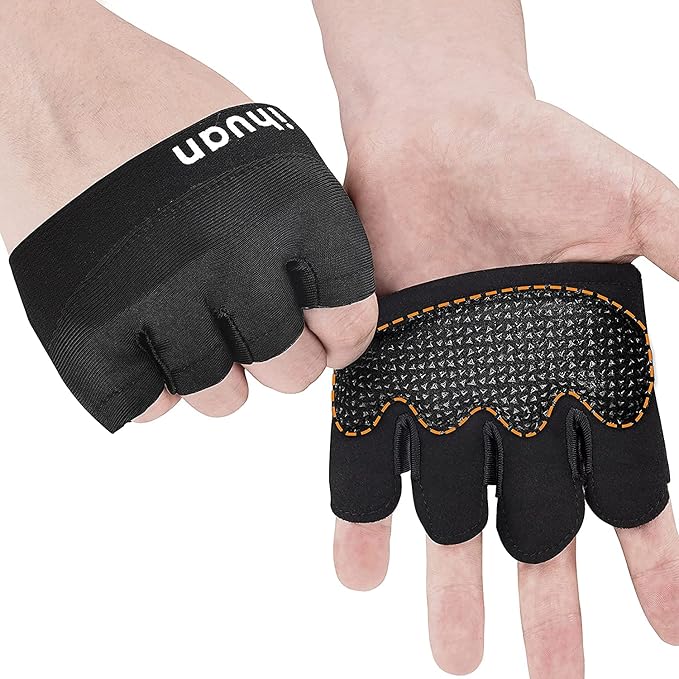
Concrete and metal rails tear up your hands during vaults and rail work. These protect your palms while keeping finger sensitivity for precise grips. The padding also helps with wall push-offs.

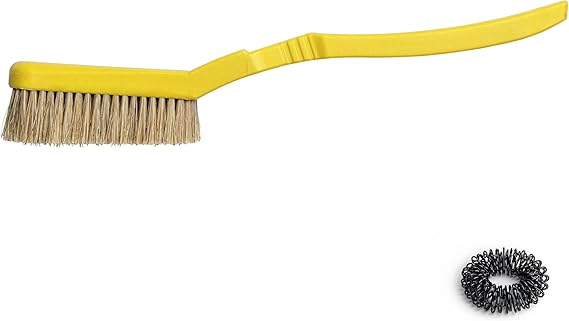
Quickly clear loose gravel, leaves, or dirt from landing zones and grip surfaces. Takes 10 seconds to brush down a ledge before box jumps—prevents unexpected slips. Clips to a belt loop.
As an Amazon Associate I earn from qualifying purchases. Prices may change.
Scout during daylight for three locations: stairs (parking garage or office exterior), flat open space (plaza or wide sidewalk), and varied-height ledges (planters, benches, low walls). Photograph them and note surface conditions—you're building a mental database of usable structures.
Hit your stairwell first: run up one flight, walk down, repeat for 15 minutes. Every third ascent, take steps two at a time. If you're using parking garage ramps, side-shuffle up the incline to burn different muscle groups than straight running.
Find your mapped ledge area. Start with step-ups on the lowest surface: 3 sets of 20 reps per leg. Only after these feel controlled should you attempt box jumps. Land with bent knees and full foot contact—concrete doesn't forgive sloppy form.
Set a timer for 7 minutes in your plaza space: 10 push-ups (hands on curb for decline angle), 15 squats, 20 mountain climbers, 30-second hollow hold. Rest 90 seconds, repeat three times. The unevenness of sidewalk adds instability training your gym floor never provided.
Walk heel-to-toe along a straight edge for 50 feet. When that becomes automatic, try 10 feet with eyes closed and arms extended. This balance work is your foundation for any future parkour movements—skipping it means rolled ankles later.
Document landmarks and distances in a notes app. Next session, beat your stair count or shave 15 seconds off circuit rest times. Cool down with dynamic stretches against a wall—in summer, the heat-retaining concrete feels incredible on tight hip flexors and calves.
Get everything you need to make this quest amazing.

Standard running shoes have too much cushioning for urban obstacles—you need to feel ledge edges and surface texture changes through the sole. Wide toe box allows natural foot splay for better balance on rails and narrow surfaces.
Zero-drop or low-drop shoes with flexible soles designed for natural foot movement and ground feel
Get on Amazon · $41.79Looking at your phone mid-circuit breaks flow and is dangerous on uneven urban surfaces. Audio cues let you focus on movement while maintaining precise timing. Programs like Tabata Timer or Seconds Pro work well.
Phone app that announces work/rest intervals through earbuds without needing to check screen

Concrete and metal rails tear up your hands during vaults and rail work. These protect your palms while keeping finger sensitivity for precise grips. The padding also helps with wall push-offs.
Synthetic leather gloves with reinforced palms and exposed fingers for dexterity
Get on Amazon · $14.99
Quickly clear loose gravel, leaves, or dirt from landing zones and grip surfaces. Takes 10 seconds to brush down a ledge before box jumps—prevents unexpected slips. Clips to a belt loop.
Boar's hair brush originally designed for cleaning climbing holds
Get on Amazon · $10.95
Captures your movement from your perspective for form analysis later. Wrist mounts bounce too much, and handheld filming isn't an option. Review footage to spot landing mechanics or approach angle issues you can't feel in the moment.
Adjustable harness that holds a compact camera or phone at chest level
Get on Amazon · $36.99RELATED GEAR GUIDE
Urbex Gear: 12 Picks I Field-Tested in 2026
Field-tested picks · Urban Exploration
As an Amazon Associate, IRL Sidequests earns from qualifying purchases at no extra cost to you.
Prices and availability are subject to change. The price shown at checkout on Amazon at the time of purchase will apply.
Hand-selected quests our team thinks you'll love

Every sidewalk crack has a story—you just need to know where to look.

That building you pass every day? It's been screaming details at you that you've never noticed.

Your city has layers most people never see—here's how to peel them back.