IRL Sidequests
Urban Adventure Safety & Risk Management Center - Personal Growth quest for Intermediate level adventurers

Urban Adventure Safety & Risk Management Center

The difference between adventure and disaster is knowing what to look for before things go wrong.

About This Quest

Learn practical urban safety assessment, hazard recognition, and emergency response through hands-on training scenarios in city environments.

Most urban exploration content glorifies the thrill without teaching you how to spot the structural cracks that matter or what to do when your planned exit route collapses. This quest trains you in practical risk assessment—the kind that keeps amateur adventurers from becoming rescue statistics. You'll build a personal safety protocol system by studying real incident reports, conducting environmental hazard assessments in controlled urban settings, and creating evacuation plans for various scenarios. The training combines classroom theory with field exercises where you'll practice hazard recognition, emergency communication protocols, and decision-making under pressure. The approach mirrors what professional urban search and rescue teams use, adapted for civilian adventurers. You'll learn to read building materials for structural integrity indicators, identify environmental hazards from distance, assess crowd dynamics in confined spaces, and recognize early warning signs of weather-related dangers in urban canyons. The final exercise involves creating a comprehensive risk management plan for a real location you want to explore, complete with backup routes, emergency contacts positioned strategically, and gear redundancy planning. This isn't about becoming paranoid—it's about building situational awareness so automatic that you can enjoy the adventure while your trained eye catches the details that matter. You'll finish with a portable safety checklist system, emergency response protocols you can execute without thinking, and the confidence that comes from knowing you've prepared for scenarios most people never consider until it's too late.

Duration
3-4 hours
Estimated Cost
$60+
Location
Both
Season
Year-round

Step-by-Step Guide

1

Study 10-15 urban exploration incident reports to identify common failure points—focus on structural collapses, access problems, weather events, and medical emergencies. Note what went wrong, what warning signs were missed, and what saved lives.

2

Create a hazard recognition matrix: structural (unstable floors, crumbling brick, corroded metal), environmental (flooding zones, wind tunnels, heat islands), human (security patterns, crowd density, territorial markers), and temporal (weather windows, lighting changes, tide schedules).

3

Scout a moderately challenging urban location during daylight. Map primary and alternate entry/exit points, photograph structural concerns, identify communication dead zones, and note potential emergency shelter locations. Time how long it takes to reach each exit from various points.

4

Develop your personal safety protocol: mandatory equipment checks, buddy system rules, communication intervals, abort criteria (specific conditions that trigger immediate exit), and emergency contact cascade (who gets called when, with what information).

5

Run a tabletop exercise with your planned adventure. Walk through: What if your primary exit is blocked? What if someone gets injured 20 minutes in? What if weather changes suddenly? What if you lose light source? Write specific responses for each scenario.

6

Assemble a location-specific emergency kit that addresses risks you identified. Test every piece of gear—does your headlamp actually last 8 hours? Can you open your first aid kit with cold, wet hands? Does your phone hold signal where you'll be?

7

Practice emergency communication: memorize your exact location coordinates, identify three ways to describe your location to dispatchers who don't know the area, and program ICE (In Case of Emergency) contacts with specific protocols for your activity type.

8

Document your complete risk management plan: location details, known hazards, mitigation strategies, equipment list with redundancies, timeline with check-in points, emergency contacts with what information each needs, and abort criteria. Share this with your emergency contact before every adventure.

Gear Up for Your Quest

Get everything you need to make this quest amazing.

Tactical Headlamp with Red Light Mode and Lock Function

Essential
$45-80

Professional-grade headlamp with 200+ lumen output, multiple beam modes including red light for night vision preservation, lockout function to prevent accidental activation, and IPX7 waterproofing

Get This Item

Urban Navigation Training App (OS Locate or What3Words Premium)

Essential
$0-15/year

Offline-capable location app that provides precise coordinate systems and works without data connection

Get This Item

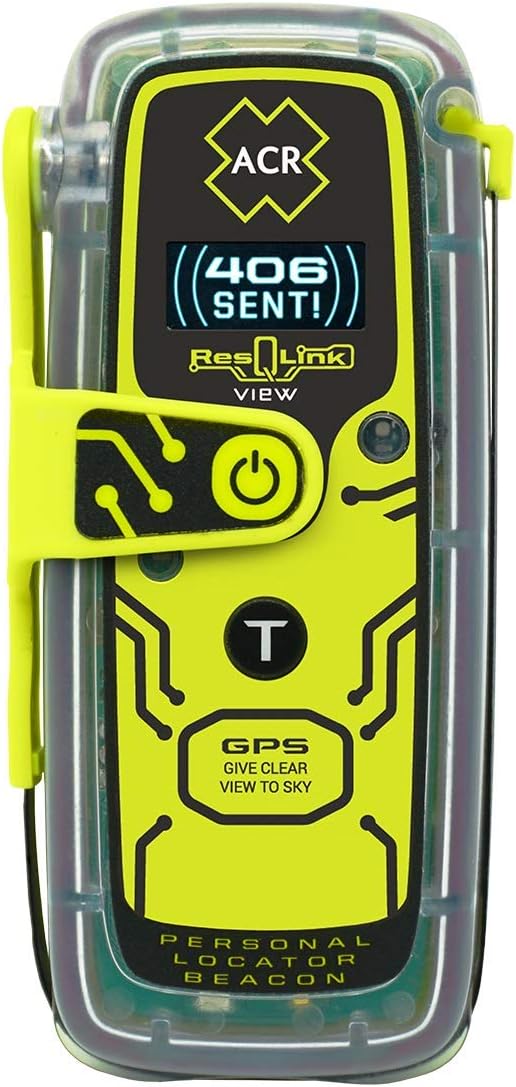
PLB (Personal Locator Beacon) or Garmin inReach Mini

Recommended
$250-350 + subscription

Satellite emergency communication device with GPS tracking, SOS functionality, and two-way messaging capability independent of cell networks

Get This Item

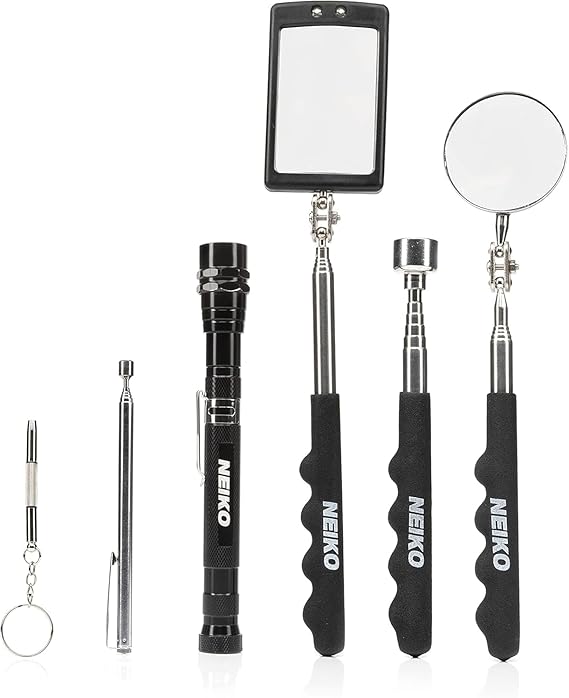
Structural Assessment Tool Set

Recommended
$35-60

Compact kit including laser distance measurer, magnetic stud finder, moisture meter, and sound-based density tester for basic structural evaluation

Get This Item

💙 Shopping through these links helps support IRL Sidequests at no extra cost to you. Thanks for making adventures possible!