Your corner store just became the merchant's guild, and that sketchy alley? That's your next dungeon.
Transform everyday city blocks into RPG quest zones with real XP tracking, challenge maps, and character progression systems you build yourself.
Most people walk past the same buildings, ride the same routes, hit the same coffee shops without thinking twice. You're about to flip that script. Urban adventure gaming turns your neighborhood into a living RPG where you're the protagonist, quest designer, and dungeon master rolled into one. You'll map territories, create challenge tiers, track stats, and build progression systems that make running errands feel like leveling up in an open-world game. This isn't about augmented reality apps doing the work for you. You're designing the mechanics from scratch—deciding that the hill climb to the library is a Stamina Challenge worth 50XP, or that finding three hidden murals in Chinatown unlocks the Street Art achievement. You'll scout locations during golden hour when shadows turn alleys into atmospheric dungeons, mark vendors who become your NPCs, and create quest chains that connect seemingly random destinations into narrative arcs. The framework is simple but deep: divide your city into zones with different difficulty ratings, assign point values to challenges (physical, social, creative), track your stats in a custom character sheet, and build reward systems that matter to you. After three months of running this system, the bodega owner recognizes you as the person who completes the Tuesday Morning Rush Quest, and you've walked parts of your city you'd ignored for years. The mundane becomes strategic. Every outing has stakes.
Map your starting zone: Pick a 10-block radius around your home base. Walk it during different times of day with a mapping app tracking your route. Note landmarks, businesses, shortcuts, dead ends. Take photos of buildings that could serve as quest locations. Mark anything unusual—street art, weird architecture, local characters, hidden courtyards. This becomes your Level 1-5 territory.
Design your character system: Create a stat sheet with 4-6 attributes that match your goals. Example: Stamina (physical challenges), Charisma (social interactions), Perception (finding hidden spots), Gold (actual budget management). Set your starting scores realistically. A full city bus commute without checking your phone? That's a Willpower check. Striking up a conversation with a street vendor? Charisma roll.
Build your quest database: Start with 15-20 basic quests across different types. Fetch quests (grab coffee from three different shops in one day), combat encounters (tackle that steep staircase you always avoid), social missions (compliment a stranger, ask a shopkeeper their story), exploration objectives (find the oldest building in your zone). Write them in a notes app with clear completion criteria and XP rewards (10-100 points based on difficulty).
Establish challenge scaling: Walk your zone and rate locations by difficulty. The flat route to the grocery store? Level 1. The seven-story walk-up apartment with the rooftop view? Level 7 location requiring 15 Stamina to access. The dive bar where locals stare at newcomers? Social challenge, 20 Charisma minimum. Weather conditions add modifiers—rain makes everything +2 difficulty.
Create your tracking system: Use a spreadsheet or dedicated notebook. Log date, quest completed, XP earned, stats tested, loot acquired (actual items purchased, photos taken, conversations recorded). Track your level progression—every 500 XP is a level up where you assign stat points. Include a currency tracker if you're gamifying your budget (spending under $10 on lunch = Gold saved).
Design meaningful rewards: Level milestones unlock new zones (Level 5 opens the waterfront district, Level 10 unlocks nighttime quests). Create achievement badges for streaks (7-day quest completion), rare discoveries (find 10 hidden alleys), or social wins (have three real conversations in one day). Physical rewards work too—hit Level 10, buy yourself that thing you've been eyeing.
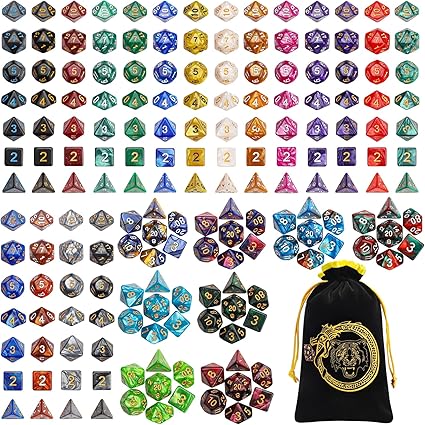
Run daily quest rotations: Each morning, roll a die or randomly select 2-3 quests from your database. Mix difficulties. Monday might be: grab lunch from a new spot (10 XP), walk the long route home (20 XP), photograph five interesting doorways (15 XP). Some quests are time-gated—the farmer's market only appears Saturday mornings, making it a weekly raid event.
Add random encounter tables: Create a list of 20 spontaneous challenges you can trigger when bored. Examples: next person you see wearing red, ask them for a local recommendation (Charisma check). Find street art within two blocks (Perception check). Buy something from a vendor you've never visited (Gold expenditure, +5 to local reputation). Use these to spice up routine trips.
Expand your world map: After mastering your starter zone, unlock adjacent territories. Each new neighborhood gets its own difficulty rating and quest chains. The financial district might have high-level social challenges (network at a public event). The arts district unlocks creative quests (sketch something, attend a gallery opening). Connect zones with travel routes that become their own mini-challenges.
Build narrative arc quests: String together 5-7 related challenges into multi-week quest chains. Example: The Coffee Connoisseur Arc—visit seven different cafes, rate them, talk to three baristas about their craft, learn to identify roast types by smell, culminating in a final boss challenge of ordering in a language you don't speak at an ethnic café. Completion unlocks the Coffee Snob achievement and permanent +2 to social interactions in cafes.
Host multiplayer sessions: Invite a friend to co-op your city. Design tandem quests where you split up to complete objectives faster, or competitive challenges where you race to find specific landmarks. Create guild missions for groups—scavenger hunts with clues, photo challenges with judging, or synchronized challenges where everyone attempts the same difficult route.
Adjust difficulty based on seasonal mods: Summer heat applies -5 Stamina to all outdoor quests after 2 PM. Winter adds +10 XP to any quest involving outdoor seating or dawn missions. Rain unlocks special limited-time quests (find a dry shortcut, photograph reflections in puddles). Holidays transform the city—December shopping crowds turn the mall into a high-difficulty navigation puzzle.
Track long-term progression: Review your stats monthly. Are you leveling Stamina but ignoring Charisma? Design quests to balance growth. Notice which neighborhoods you're avoiding—those might be your hardest dungeons, worth the most XP. Document your highest-level achievements: the day you explored five new blocks, the week you completed every daily quest, the legendary moment you found that hidden garden everyone mentioned but no one could direct you to.
Get everything you need to make this quest amazing.
Hands-free storage with separate pockets for phone, wallet, quest journal, and small items
Get on Amazon · $35-60Standard polyhedral RPG dice for randomizing encounters and stat checks
Get on Amazon · $8-15Extended battery life for all-day gaming sessions with GPS tracking and photo documentation
Get on Amazon · $20-40Pocket-sized magnification for scouting distant locations and reading signs
Get on Amazon · $25-50Spreadsheet or notion template with character stats, quest log, XP tracker, and zone maps
Get on Amazon · $0💙 Shopping through these links helps support IRL Sidequests at no extra cost to you. Thanks for making adventures possible!
Hand-selected quests our team thinks you'll love

Cozy, gooey, unforgettable nights.

Turn your kitchen into a mad scientist’s bar.

Sharpshooter bragging rights start here.