Turn three tasks you do at least three times a week into games with rules and three prize levels, play them for one full week, then tell a friend or housemate your best result.
Bonus challenge: Talk someone into playing the same three games and compare top scores on Sunday.
Accept this questSaves it to your list, no account needed.
Time
30 minutes setup, ongoing practice
Cost
Free with your own gear
Starter gear from $7
Free if you own a notebook and pen. A pocket notebook costs about $7, and a set of polyhedral dice is optional at roughly $10–20. Habit apps like Habitica are free if you want one.
solo, friends, family · Teens 13+ and adults; younger kids can play along with a parent
Level
Beginner
Where
Both
Season
Year-round
About This Quest
Pick the three most boring jobs in your week and turn them into games you want to play. You'll give each one rules, a prize and sometimes a dice roll, then play all week. Rope in a friend or housemate and compare wins on Sunday.
The dishes come back. So does the commute, the laundry pile, the same loop around the grocery store. This week you get to put rules on three of them and play instead of plod.
Spend a few days noticing what keeps repeating, then pick your worst three and give each a game: collect something, race your own clock, let a dice roll choose your route, or hunt one new thing to notice. All you need is a notebook and a pen, and the first game can start tonight. Then it's you against your own best score, with someone to brag to. Short on game ideas? Borrow a few side quests to try when you're bored.
Why This Quest Matters
The dishes still have to be done. But when drying them is a race against your own best time, or the grocery run becomes a hunt for one ingredient you've never cooked with, you stop waiting for the hour to be over. The boring parts of the week are the ones nobody has claimed yet, so you may as well claim them.
What You'll Experience
Name your worst three: Rate how much each repeat task annoys you and promote the top offenders to quests.
Pick your game style: Choose a collection, a time trial, a dice roll or a hunt for each one.
Chase a better score: Set an easy win, a solid win and a brag-worthy win so there's always a target.
Hand the wheel to the dice: Roll before you set off and let the numbers pick your aisle or your detour.
What You'll Need
Top gear to make this quest great.
Pull it off
Compact dot grid journal (80+ pages, pocket-size)
Writing your games and wins by hand sticks better, and pocket-size means it's with you when a round starts.
As an Amazon Associate I earn from qualifying purchases. Prices may change.
Before You Begin
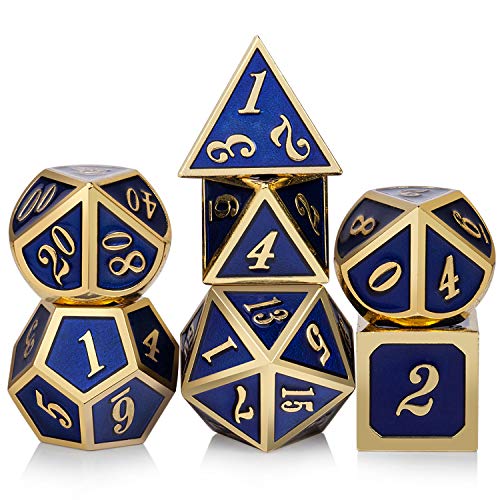
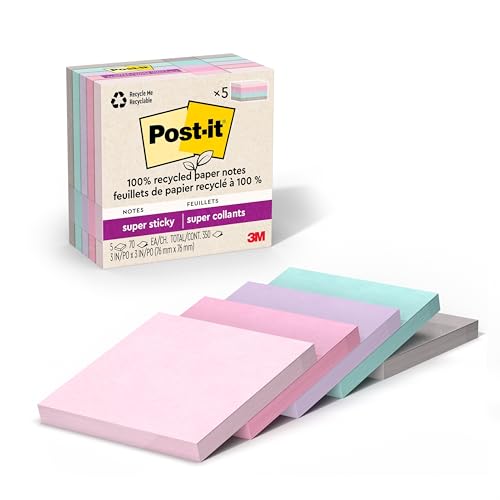
Good news: you can start tonight with what's already in a drawer. Essentials: a pocket notebook you'll actually carry, a pen, and a few sticky notes for reminders where you switch to autopilot. Handy extras: a set of polyhedral dice (d4 through d20) if you like letting chance pick your route, and a free habit app like Habitica if a climbing streak on your phone keeps you playing. If a game sends you out to take photos, stay on public sidewalks and ask before shooting anything on private property.
Safety Tips
A good quest stays a good story. These are general notes; your gear's manual, the venue's rules and local law come first.
Behind the wheel, the game pauses. Roll your dice before you start the engine, and write anything down or take photos only once you've parked.
Walking games stay on public sidewalks and crossings, and you obey the signals. On a bike, use the bike lanes, wear a helmet, and after dark run a front and rear light plus something reflective.
For an after-dark mission, stick to well-lit routes you already know, carry a charged phone, and tell someone your route and when you'll be back.
Shoot photos from public sidewalks and rights-of-way only, and don't step onto private land or photograph private property without the owner's permission.
Step-by-Step Guide
1
Catch The Boring Stuff
10 min
You can't make a game out of something you haven't noticed. Over the next week, jot down every task that keeps coming back: dishes, commute, laundry, dog walk, the wait at the bus stop. Add roughly how long it takes, how often it happens, and a 1 to 10 score for how much it bugs you. Ten minutes of scribbling, spread out.
💡 Pro Tips:
• Write it in the moment, not at bedtime. The one you forget is usually the one that annoys you most.
2
Pick Your Worst Three
12 min
Read back the week and circle anything you do three or more times weekly that scored 6 or higher. Those are your contenders. Choose exactly three: enough to feel like a game, few enough that you'll keep playing. Announce them to whoever you live with, because a game somebody else knows about is a game you actually show up for.
💡 Pro Tips:
• Skip the once-a-month jobs, however much you hate them. Games get fun through repetition.
3
Write The Rules
15 min
Now the good part. Give each task one of four styles: Collection (gather something, like a photo of every odd door on your walk), Time Trial (beat your own clock), Randomizer (dice pick a detail), or Discovery (find one new sound, smell, texture, color, movement or temperature). Then set three prize levels: an easy win, a solid win, and one worth bragging about.
💡 Pro Tips:
• Make the easy win genuinely easy. A bad day that still scores keeps you in the game.
4
Play Your First Round
20 min
Stick a note where you flip to autopilot: the dish rack, the key hook, your coat pocket. Then play all three games this week. Dishes, but against the clock. The grocery loop, but hunting one thing you've never bought. Afterwards, two minutes in the notebook is enough to mark what you got, no essay required.
💡 Pro Tips:
• Put your brag-worthy target on the sticky note. Seeing the top prize makes you stretch for it.
5
Let The Dice In
8 min
By the second week the same route gets stale, so give chance a turn. Roll a d6 for which aisle you explore first, or a d20 for how many blocks you detour on the walk home. Always roll before you set off, never while driving. A d4 for small calls, a d20 when you want the game to get a bit ridiculous.
💡 Pro Tips:
• Keep the dice in a pocket pouch. A roll you can do on the spot is a roll that actually happens.
6
Sunday Scoreboard
15 min
Come Sunday, compare notes with your housemate, friend or whoever's been listening to you talk about the dish-rack time trial all week. Call out your best score, show the photos you collected, name the strangest thing you noticed. Any game that bored you gets dropped without guilt, and the ones that made you grin get a rematch next week.
💡 Pro Tips:
• Promote your best game by raising the top target one notch. Last week's brag becomes this week's easy win.
You just took the three dullest jobs in your week and gave them rules, prizes and a Sunday scoreboard. Tell someone your best score and dare them to beat it.
Side Quest Generator: Turn Your Free Time Into Adventures
Let the dice decide. You just have to go.
Grab a friend, a handful of dice and a stack of index cards, and build a little machine that decides your free afternoons for you. Then roll it. Whatever comes up, you go do it, with one silly rule attached and ten minutes to figure out the plan.
2-3 hours (initial setup), 15 minutes per useFamilyGear from $41
Real-Life Side Quests: Complete Gamification Guide for Daily Life
Your commute is now a quest. Your coffee run? Boss battle.
Transform mundane routines into XP-earning adventures. Learn to build your own life gamification system with quests, rewards, and progression tracking.