
Tech-Enabled Urban Exploration: Augmented Reality City Hunt
Your city runs on invisible networks—time to make them visible.
About This Quest
Use thermal cameras, RF detectors, and AR apps to uncover hidden infrastructure, ghost signs, and electromagnetic patterns in your city's forgotten layers.
Cities aren't just what you see at street level. Steam vents mark underground tunnels, paint shadows reveal century-old advertisements, and RF signals map the invisible nervous system pulsing through walls. I've spent three years scanning San Francisco's alleys with a thermal camera at 6AM, and the temperature differentials tell stories: hot spots where subway tunnels run close to the surface, cold zones where old speakeasies had ice delivery chutes, electromagnetic spikes near forgotten telegraph wire conduits still carrying current. This isn't about trespassing or breaking rules—it's about reading the city's metadata. A basic FLIR camera shows you which buildings waste heat (and which hide something interesting in their thermal signature). An RF detector picks up everything from hidden cell antennas to the electrical hum of server farms behind unmarked doors. AR apps overlay historical maps onto current streets, letting you stand at an intersection and see what was demolished to build it. The data layer exists; most people just don't have the sensors to read it. The best discoveries happen in transitional zones: alleys behind commercial strips, parking lots that used to be rail yards, dead-end streets that once connected to vanished neighborhoods. Morning works better than afternoon—less thermal noise from sun-heated pavement, fewer crowds, better light for photographing ghost signs. Bring a backup battery. Your phone will drain fast running AR overlays and geotagged photo apps simultaneously.
Why This Quest Matters
You'll see your city as a palimpsest—layers of history and infrastructure written, erased, and overwritten but never fully gone. The temperature differentials, electromagnetic signatures, and deleted streets aren't trivia; they're the city's nervous system made visible, stories told in thermal gradients and RF spikes that most people walk past every day without seeing.
What You'll Experience
- How to read thermal signatures that reveal underground tunnels, sealed doorways, and hidden mechanical systems
- Which RF signal patterns indicate data centers, legacy infrastructure, or century-old conduits still carrying current
- How to spot architectural edits—demolished buildings, filled canals, vanished streets—using AR historical overlays
- Where transitional zones and irregular street patterns hide the city's most interesting metadata
- How overlapping data layers triangulate to tell stories the city doesn't advertise
What You'll Need
Top gear to make this quest great.
Pull it off
FLIR ONE Pro Thermal Camera (USB-C/Lightning)
Reveals hidden heat signatures from underground tunnels, sealed doorways, active utilities, and building anomalies invisible to naked eye—turns your phone into an infrared scanner that shows the city's thermal skeleton
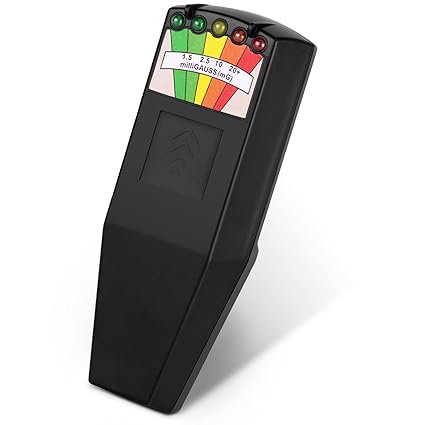
Maps invisible electromagnetic infrastructure—finds hidden cell towers, underground power lines, server farms, and legacy wiring that standard metal detectors miss, revealing the city's wireless anatomy

Captures full building facades and tight alley contexts in single shots that standard phone cameras crop—essential for documenting ghost signs and thermal patterns without stitching multiple photos
As an Amazon Associate I earn from qualifying purchases. Prices may change.
Step-by-Step Guide
Map your target zone's hidden history
Pull up satellite view and scan for irregular street patterns, abrupt shifts in building age, or oddly placed green spaces—these mark buried infrastructure or demolished blocks. Download historical maps from USGS or city archives to compare.
💡 Pro Tips:
- • Look for dead-end streets that once connected to vanished neighborhoods
- • Transitional zones—alleys behind commercial strips, former rail yards—yield the best discoveries
Scan facades for thermal anomalies
Start at dawn or dusk when thermal contrast peaks. Run your thermal camera in video mode, moving slowly across building faces. Hot spots mid-wall or at basement level reveal hidden mechanical systems, sealed doorways, or active utilities. Cold spots mark filled windows, bricked tunnels, or underground voids.
💡 Pro Tips:
- • Morning beats afternoon—less thermal noise from sun-heated pavement
- • Hot spots where subway tunnels run close to surface create distinct signatures
Trace the city's electromagnetic nervous system
Switch to RF detection and walk slowly, noting signal strength spikes. Strong signals from unmarked buildings usually mean data centers or telecom hubs. Weird patterns—signal drops in open areas, spikes near old architecture—indicate legacy infrastructure still carrying current.
💡 Pro Tips:
- • Forgotten telegraph wire conduits sometimes still hum with electricity
Overlay historical maps in augmented reality
Launch your AR historical overlay app and stand at street corners, rotating slowly to align old maps with current view. Screenshot moments where something obvious is missing—a building, street, or bridge. These deletion points show where the city edited itself.
Document every anomaly with location tags
Geotagged photos of thermal anomalies, RF hotspots, ghost signs visible only in certain light, unusual manhole markings, utility access points, and era-mismatched architectural details. Use voice notes for context—you'll forget the specifics later.
💡 Pro Tips:
- • Your phone will drain fast running AR overlays and geotagged apps simultaneously; bring a backup battery
Triangulate the data to reveal hidden stories
Cross-reference your findings at home. Thermal anomalies plus historical maps plus RF signals often point to specific stories: sealed subway entrances, filled canals, demolished factories whose power lines still run underground. The overlapping data tells you what the city doesn't advertise.
Gear Up for Your Quest
The gear that makes this quest work.
Pull it off

FLIR ONE Pro Thermal Camera (USB-C/Lightning)
Reveals hidden heat signatures from underground tunnels, sealed doorways, active utilities, and building anomalies invisible to naked eye—turns your phone into an infrared scanner that shows the city's thermal skeleton
+ complete the kit — 3 more

RF/EMF Detector (K2 Meter or Acousticom 2)
RecommendedMaps invisible electromagnetic infrastructure—finds hidden cell towers, underground power lines, server farms, and legacy wiring that standard metal detectors miss, revealing the city's wireless anatomy
Handheld electromagnetic field detector that measures RF signals from 200MHz-8GHz with audio/visual alerts
Get on Amazon · $13.50 — RF/EMF Detector (K2 Meter or Acousticom 2)details & deals →
What Was There AR App (Premium)
RecommendedProjects the past onto present streets in real-time—stand anywhere and see demolished buildings, vanished streetcar lines, and erased neighborhoods exactly where they stood, turning exploration into time travel
Augmented reality app overlaying historical photographs and maps onto live camera view using GPS alignment

Captures full building facades and tight alley contexts in single shots that standard phone cameras crop—essential for documenting ghost signs and thermal patterns without stitching multiple photos
Clip-on smartphone lens providing 120° field of view for architectural documentation
Get on Amazon · $580.00 — Wide-Angle Lens Attachment (16mm Equivalent)details & deals →RELATED GEAR GUIDE
Urban Cycling Kit: 6 Picks to Quest Your City by Bike
Field-tested picks · Urban Exploration
As an Amazon Associate, IRL Sidequests earns from qualifying purchases at no extra cost to you.
Prices and availability are subject to change. The price shown at checkout on Amazon at the time of purchase will apply.
Editor's Picks
Hand-selected quests our team thinks you'll love

Urban Food & Beverage Culture Quest
The best food in your city isn't on Yelp's front page—it's where rent is cheap and menus aren't in English.

Historical Walking Tour: Read Your City's Hidden Stories
Every sidewalk crack has a story—you just need to know where to look.

Architecture Scavenger Hunt: Decode Your City's Hidden Design Language
That building you pass every day? It's been screaming details at you that you've never noticed.
Not this one?
Get a different side quest in 30 seconds
Tell the generator how much time you have, who you're with, and your mood — it picks from 500+ quests like this one.
Try the real life side quest generator