Make one small piece a day for thirty days from your box studio. On the last day, lay all thirty out in a six-by-five grid, invite someone over, and let them pick their favorite before you reveal yours.
Bonus challenge: Fold one extra tiny book and give it away to whoever picked your winner.
Accept this questSaves it to your list, no account needed.
Time
30 days (15-45 min/day)
Cost
Free with your own gear
Starter gear from $82
The box, watercolor tin, brush pens and journal are one-time buys, roughly $55–80 together. After that you only use up paper, thread, erasers and glue, a few dollars a month.
solo, family, friends · Ages 10+; an adult does the eraser carving for anyone under 12
Level
Beginner
Where
Indoor
Season
Year-round
About This Quest
Want a tiny art studio that fits in one box and opens anywhere? Pack a 12-inch box with watercolors, brush pens and a journal, then make one small thing a day for a month. Fifteen minutes on busy days, longer when you're having fun. Invite a friend to judge the finale.
The best thing about a box studio is that there's nothing to set up. You flip the lid, the paints are right there, and you're painting before the excuse arrives. Tonight you pack it. Tomorrow you start.
Each day you make one small thing: a quick pencil sketch, a puddle of color, a line of stitches pulled through paper, a stamp carved from an eraser, a book folded from one sheet. Wonky is welcome, and nothing takes more than forty-five minutes. Your mission: thirty little pieces laid out in a grid, and a friend picking their favorite.
Why This Quest Matters
Most creative plans die in the drawer, because finding the glue takes longer than the idea lasted. One box solves that. Fifteen minutes is enough when everything is already in your hands, and thirty of those fifteens turn into a pile of small things you genuinely made. The one you'll love best is almost never the one you tried hardest on.
What You'll Experience
Open and go: Flip one lid and you're making something, no hunting through drawers first.
Sew straight through paper: Poke a line of little holes, pull thread through, and your stitches become a drawing.
Carve your own stamp: A plain eraser becomes a pattern you can print over and over.
Fold a book from one sheet: A few folds turn a square of paper into a tiny sixteen-page book.
What You'll Need
Top gear to make this quest great.
Pull it off
Multi-Tier Art Supply Organizer Box
Keeps every tool flat and visible, so you're making something seconds after opening the lid.
As an Amazon Associate I earn from qualifying purchases. Prices may change.
Before You Begin
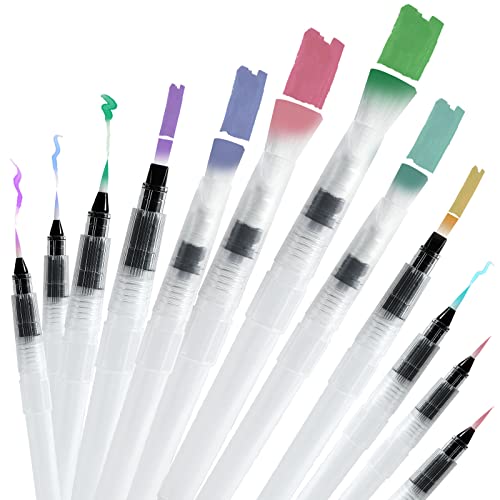
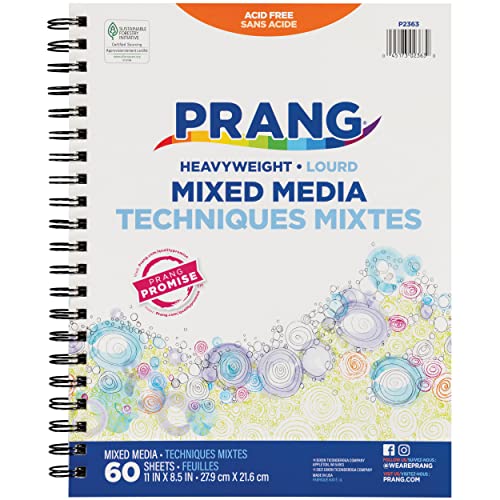
Packing the box is the first project, and it takes about forty minutes. You want a 12-inch organizer box with movable dividers, a mixed media journal with heavy paper (140 lb or 300 gsm, so wet paint and glue won't buckle it), a small watercolor tin with a mixing lid, refillable water-brush pens, and the basics: pencils, a fine-liner pen, scissors, ruler, glue, embroidery thread and a needle. Nice extras: a bone folder for crisp folds that won't crack, a couple of plain erasers to carve into stamps, and a plastic sheet to roll paint on for printing.
Safety Tips
A good quest stays a good story. These are general notes; your gear's manual, the venue's rules and local law come first.
Check each paint, ink and glue for the AP Non-Toxic seal or your country's equivalent before it goes in the box, and keep paints away from young children and pets.
Nothing in the box goes in anyone's mouth. Label any mixed or decanted liquid right away, and never store art supplies in food containers.
Fill the brush pens about two-thirds with clean water, and keep one cup for rinsing that never goes back in the kitchen cupboard.
If you add solvent-based markers or spray fixative, open a window first. With kids around, leave solvent products out of the kit altogether.
Carve erasers with the blade moving away from your body and your other hand behind the blade, as the tool's instructions say. An adult does all the cutting for makers under 12.
Keep the needle in a pincushion or taped to a card, never loose where a hand goes feeling around.
Step-by-Step Guide
1
Pack Your Box Studio
40 min
Tonight's job is the happiest kind of tidying. Open the 12-inch box and give everything a home: watercolor tin, brush pens, pencils, fine-liner, scissors, ruler, glue, thread, needle and your journal. Slide the dividers so nothing rattles, tape the needle to a card, and leave one compartment empty for scraps and stamps. Snap the lid. Your studio now travels.
💡 Pro Tips:
• Keep the box somewhere you'll see it, not in a cupboard. Visible boxes get opened.
2
The First Nine Days
25 min
Start easy, three days per idea, about twenty-five minutes a sitting. Days one to three: set a five-minute timer and sketch twenty things around you without lifting your pencil, then go again. Days four to six: fill scrap paper with washes, flat, graded and wet-in-wet. Days seven to nine: sketch a shape, poke holes a quarter inch apart along the line, and backstitch it with thread.
💡 Pro Tips:
• Poke your holes over a folded towel so the needle goes through cleanly and your table stays unmarked.
3
Mix It All Together
30 min
Days ten to eighteen are the loose, playful stretch, about thirty minutes each. Lay a wash, draw pen lines on top, add a few stitches through it. Brush paint onto a plastic sheet, press paper down and rub it with the bone folder to pull a print. Then fold a 6 by 12 inch strip into 1.5-inch panels for an accordion book and run one idea across every panel.
💡 Pro Tips:
• Score folds with the pointed end of the bone folder, then flatten them with the rounded end for a crease that won't crack.
4
Stamp, Tear, Glue
25 min
Days nineteen to twenty-four bring out the satisfying stuff, twenty-five minutes a day. First carve a simple shape into an eraser, cutting away from yourself, and stamp patterns using watercolor as your ink. An adult carves for younger makers. Then tear up your painted scraps, shuffle them around until the arrangement feels right, glue them down and add pen details on top.
💡 Pro Tips:
• Carve two stamps, one little dot or dash and one bigger shape. Together they make far better patterns than either alone.
5
Fold Tiny Books
25 min
Days twenty-five to twenty-seven, and these are the ones people can't put down. Take a 4 by 4 inch square, fold it three times and cut the single slit that lets it open into a sixteen-page book, all from one sheet. Make one a day and fill the pages with your stamps, washes and stitched lines. Hand someone a finished one and watch them try to figure it out.
💡 Pro Tips:
• Pencil faint page numbers before you decorate, so your little story reads in the right order.
6
Grid Night
45 min
Days twenty-eight to thirty, forty-five minutes each. Make one last piece that combines three things you actually enjoyed, maybe a graded wash, a carved stamp and a stitched line. Then lay all thirty pieces in a six-by-five grid on the floor, invite a friend or your family over, and let them pick their favorite before you say which one is yours. Take one photo of the whole month.
💡 Pro Tips:
• Shoot the grid from above beside a window. Light coming from the side makes the stitches and torn edges stand out.
A month ago that box was empty, and now it holds thirty small things you made. Share the grid photo and dare a friend to pack a box of their own.
Creative Arts Challenge Hub: 30-Day Skill Building Quests
Thirty days, one art form, zero excuses—watch your skills actually improve.
Transform your creative practice with structured 30-day challenges spanning painting, drawing, photography, writing, and mixed media. Daily prompts, skill progressions, and community accountability.
Your hands have a favorite material. Let's find it.
Want to find out what your hands are actually good at? Claim a corner of a table for a month and make a small piece every two or three days. Pencil, clay, collage, carved wood, fabric markers. On day thirty you line them up in a grid and show it off.
30 days (2-4 hours per project)FamilyGear from $58
Which craft would your hands actually love? Over three to four weeks you'll take a beginner workshop in clay, then weaving, printmaking, glass and metal, one studio at a time. Each runs about two and a half hours with materials included, and you leave holding something you made. Bring a friend and make it a standing date.