Every building tells time through shadows—learn to read the clock.
Learn to read city buildings through their shadow patterns. Document how light transforms architecture hour by hour in this urban observation quest.
Buildings don't just stand there—they perform. Watch a fire escape at 7AM and it's flat geometry. Return at 2PM and the shadows carve diagonal lines across brick that weren't there before. By 5PM, the whole facade glows orange while neighboring structures go dark. Shadow mapping is the practice of tracking these light changes across a single structure throughout the day. This isn't about taking pretty pictures (though you'll get those). It's about understanding how sun angle, season, and surrounding buildings create a unique light signature for each structure. You'll notice the morning side of your target building gets harsh directional light while the afternoon side stays cool. Overhangs that look decorative suddenly make sense when you see them blocking summer sun but allowing winter light through. The technique works anywhere—corner bodegas, parking garages, brownstones, glass towers. Pick one building. Visit it at three different times. Document what the light does. You'll start seeing your neighborhood as a giant sundial where every structure marks time differently.
Top gear to make this quest great.

Critical for multi-session documentation when using GPS tracking, AR apps, and continuous photo shooting across 6+ hours—phone batteries drain fast with screen brightness maxed for outdoor viewing

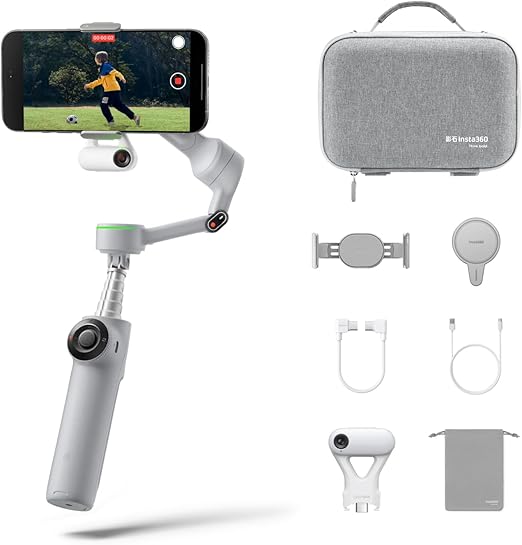
Eliminates hand shake when shooting comparison angles and allows smooth panning shots along building facades to capture shadow progression in real-time video, plus enables automated time-lapse features

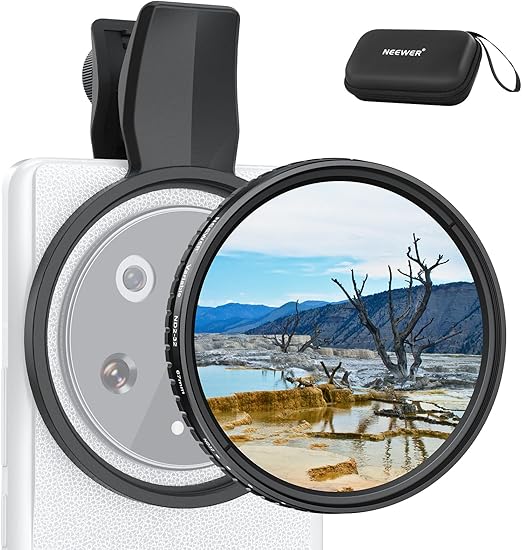
Lets you shoot directly toward bright sky when documenting backlit building edges and prevents blown-out highlights when harsh midday sun creates extreme contrast between shadow and lit areas
As an Amazon Associate I earn from qualifying purchases. Prices may change.
Scout your target building the day before between 11AM-1PM. Stand across the street and identify three distinct architectural features: a corner/edge, a recessed area (doorway, window), and a textured surface (brick, corrugated metal, decorative elements). Note which direction the building faces using your phone's compass.
Plan your three observation windows based on sun direction. For east-facing buildings: sunrise, 10AM, 2PM. West-facing: 9AM, 1PM, sunset. South-facing (northern hemisphere): 8AM, noon, 4PM. North-facing structures need bright overcast days or you'll get flat light all day.
First visit: Arrive 20 minutes before your target time. Walk the building's perimeter once, noting where shadows fall. Position yourself where you can see at least two of your marked features. Shoot from the same spot you'll use for subsequent visits—mark it with a crack in the sidewalk or storefront landmark.
Document shadow angles on textured surfaces. Brick walls are perfect for this—watch how shadow lines travel across mortar joints. Metal siding creates hard diagonal slices. Fire escapes cast complex geometric patterns that shift dramatically over hours. Capture how recessed doorways go from full shadow to half-lit to completely exposed.
Second visit: Return to your marked position. The light quality will have completely changed. What was a sharp shadow becomes diffused. A glowing facade goes neutral. Take the same compositional shot but notice what's different—not just lighter or darker, but how the building's geometry reveals or conceals itself.
Third visit: Complete your triptych. By now you'll recognize this building's light personality. Some structures come alive in morning light with dramatic shadows. Others are afternoon performers when low sun rakes across details. A few only work in soft overcast conditions when form matters more than shadow play.
Compare your three sets of images that evening. Lay them side by side on a screen or print them. You've created a visual time-lapse that shows what most people walk past without seeing—how one fixed object performs differently based purely on Earth's rotation and your position on it.
Get everything you need to make this quest amazing.

Critical for multi-session documentation when using GPS tracking, AR apps, and continuous photo shooting across 6+ hours—phone batteries drain fast with screen brightness maxed for outdoor viewing
High-capacity external battery pack with multiple USB ports and fast-charging capability
Get on Amazon · $33.45
Eliminates hand shake when shooting comparison angles and allows smooth panning shots along building facades to capture shadow progression in real-time video, plus enables automated time-lapse features
Handheld 3-axis stabilization device that keeps your phone camera steady during movement and time-lapse sequences
Get on Amazon · $199.99Predicts exactly where shadows will fall at future times so you can plan optimal shooting windows and visualize how seasonal sun angle changes will affect your target building throughout the year
AR solar tracking application that overlays sun path, shadow projection, and golden hour timing onto your camera view

Lets you shoot directly toward bright sky when documenting backlit building edges and prevents blown-out highlights when harsh midday sun creates extreme contrast between shadow and lit areas
Clip-on adjustable neutral density filter that reduces light entering your camera lens without affecting color
Get on Amazon · $19.75As an Amazon Associate, IRL Sidequests earns from qualifying purchases at no extra cost to you.
Prices and availability are subject to change. The price shown at checkout on Amazon at the time of purchase will apply.
Hand-selected quests our team thinks you'll love

Every sidewalk crack has a story—you just need to know where to look.

That building you pass every day? It's been screaming details at you that you've never noticed.

Your city has layers most people never see—here's how to peel them back.