Your neighborhood has more secrets than you think—time to map them all.
Transform your neighborhood into an adventure map by identifying hidden spots, creating quest routes, and building a shareable local exploration network.
Most people walk the same three blocks their entire lives. You're about to change that by becoming your neighborhood's unofficial quest designer. This isn't about making a Google Map with pins—it's about identifying genuinely interesting micro-adventures within a 15-minute walk: the alley where street art changes monthly, the corner store with the best cheap coffee, the fire escape with the perfect sunset view, the tree that drops walnuts in October. You'll physically walk every accessible street, document findings with photos and notes, then organize discoveries into themed routes others can follow. Think of it as creating a choose-your-own-adventure guide for your area. The morning light hits certain brick walls differently at 8AM versus 4PM—you'll notice these details. By the end, you'll have 5-7 distinct quest routes (Historical Walk, Food Crawl, Photo Safari, Green Spaces Tour) that friends and neighbors can actually use. The real reward comes three months later when someone texts you a photo from a spot you mapped, saying they've lived here five years and never knew it existed. That's when you know you've built something that matters beyond just another generic neighborhood guide.
Three months from now, someone will text you a photo from a spot you discovered, saying they've lived here five years and never knew it existed. You'll have transformed invisible corners into shared knowledge, turning your neighborhood from a place people pass through into territory they actually know. You become the person who sees what everyone else walks past.
Top gear to make this quest great.

Enables 4+ hours of continuous photo/video documentation and GPS tracking without draining your phone. Essential when mapping multiple routes in one day.

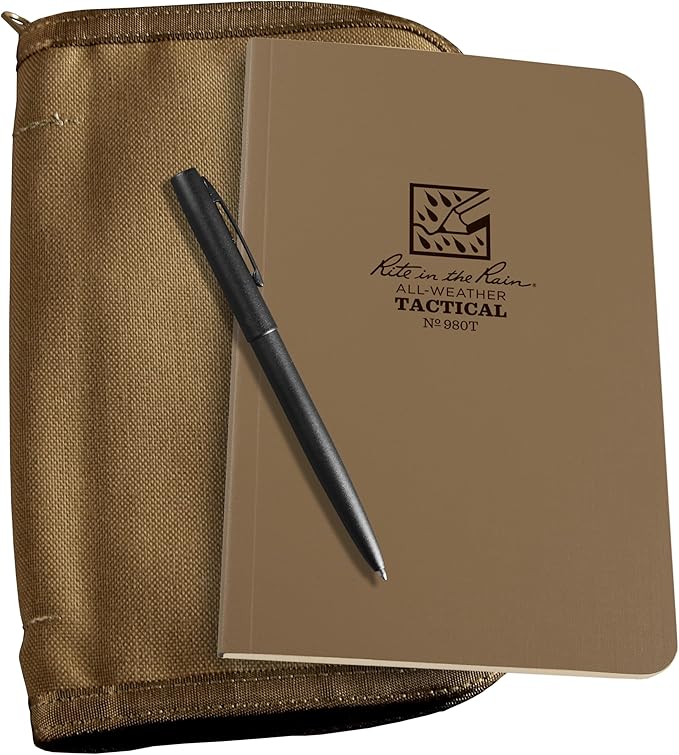
Phone notes get messy when juggling photos, maps, and observations. Physical notes let you sketch quick maps, mark landmarks, and annotate without switching apps. Works in rain.

Captures full building facades, street corners, and plaza spaces that normal phone cameras can't frame. Makes route documentation photos actually useful for navigation.
As an Amazon Associate I earn from qualifying purchases. Prices may change.
Walk every accessible street within a 10-block radius using a grid pattern. Go during early mornings or late afternoons when light reveals architectural details and foot traffic shows neighborhood rhythms. Document everything with geotagged photos and voice notes—the Korean grocery's house-made kimchi, 1920s terracotta facades, benches that catch afternoon sun, community gardens open on Saturdays.
Sort your discoveries into clear themes: Historical landmarks, Food spots, Nature pockets, Art installations, Architectural details, Quiet corners, Social hubs. Be specific in your notes—not just 'good coffee' but 'corner store with the best cheap coffee' or 'alley where street art changes monthly.'
Connect your points into coherent 45-90 minute routes that tell stories. A 'Coffee & Street Art Loop' links three indie cafes with murals between them. A 'Green Spaces Tour' chains pocket parks most neighbors don't know exist. Each route needs a clear narrative thread, not just random stops.
Walk each route exactly as someone following your directions would—no shortcuts or insider knowledge. Time it accurately, note obstacles like construction or steep hills, and write directions that work without GPS ('Turn left at the blue house'). Document start/end points, difficulty, best time of day, photo opportunities, rest stops, and accessibility issues.
Package your routes as a printed zine, Google Map with detailed pins, Instagram highlight series, or simple PDF guide. Include your contact info so others can share discoveries and updates. The format matters less than making it genuinely useful without requiring an app or constant connectivity.
Give your guide to 5-10 neighbors first and refine based on their experience. Then post in local groups, coffee shops, and libraries. Update quarterly as businesses close, new murals appear, and the tree that drops walnuts in October becomes part of someone else's routine. The guide lives and changes with the neighborhood.
Get everything you need to make this quest amazing.

Enables 4+ hours of continuous photo/video documentation and GPS tracking without draining your phone. Essential when mapping multiple routes in one day.
High-capacity external battery for extended documentation sessions
Get on Amazon · $33.45Automatically organizes your photos by location and time, making it easy to reconstruct your route and remember exact spots weeks later. Free versions work fine.
Apps like Timestamp Camera or GeoPhoto automatically embed location data and timestamps in photos

Phone notes get messy when juggling photos, maps, and observations. Physical notes let you sketch quick maps, mark landmarks, and annotate without switching apps. Works in rain.
Water-resistant pocket notebooks designed for outdoor documentation
Get on Amazon · $61.74
Captures full building facades, street corners, and plaza spaces that normal phone cameras can't frame. Makes route documentation photos actually useful for navigation.
Attachable lens that captures broader street scenes and architectural details
Get on Amazon · $24.69RELATED GEAR GUIDE
Urbex Gear: 12 Picks I Field-Tested in 2026
Field-tested picks · Urban Exploration
As an Amazon Associate, IRL Sidequests earns from qualifying purchases at no extra cost to you.
Prices and availability are subject to change. The price shown at checkout on Amazon at the time of purchase will apply.
Hand-selected quests our team thinks you'll love

Every sidewalk crack has a story—you just need to know where to look.

That building you pass every day? It's been screaming details at you that you've never noticed.

Your city has layers most people never see—here's how to peel them back.